The U.S. Federal Trade Commission said it sent letters to 37 contact lens prescribers reminding them a failure to automatically provide patients with a prescription can result in fines of more than $53,000 per violation.
Vantive Health LLC, formerly the kidney care business of Baxter International Inc., plans to invest $1 billion over the next five years in development of digitally enabled dialysis products, innovation in acute organ support therapy options and expanding production capacity.
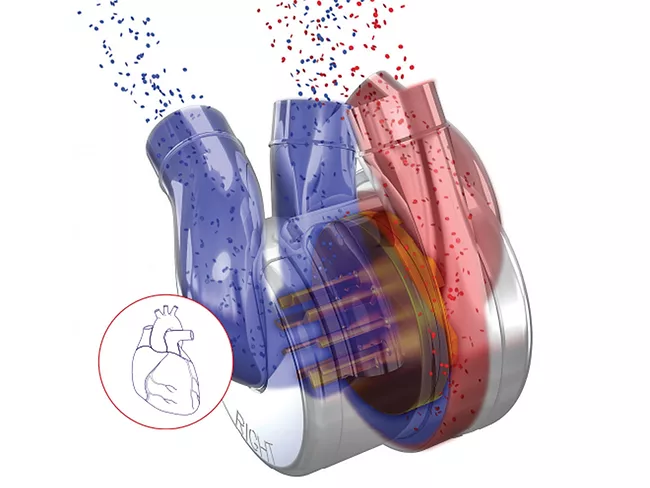
The U.S. FDA’s decision to grant breakthrough device designation for Bivacor Inc.’s titanium total artificial heart (TAH) sent real hearts aflutter at the Huntington, Calif.-based company’s headquarters. While the designation supports use of the TAH as a bridge to transplant for adults with biventricular or univentricular heart failure for whom current options are insufficient or unsuitable, Bivacor hopes its device will eventually serve as a long-term heart replacement.
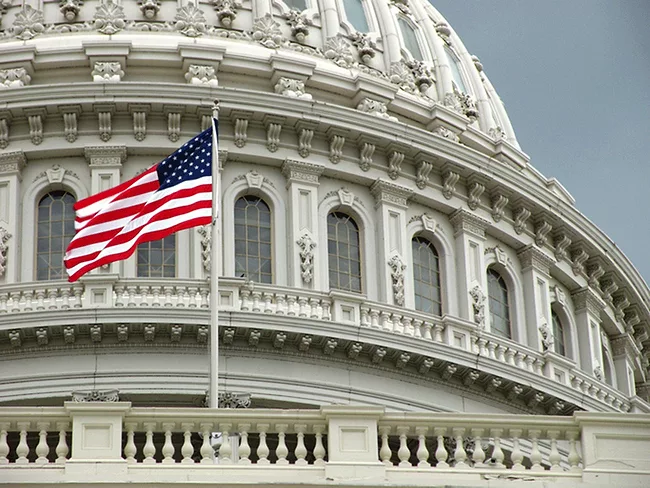
The Trump administration released its budget proposal for fiscal year 2026, which would chop roughly 40% from the NIH budget over the current fiscal year — a proposal that might not find much support on Capitol Hill.
The U.S. FDA declined to appeal the outcome of a lawsuit eviscerating the agency’s final rule for regulation of lab-developed tests despite a 60-day window to do so.
Shares of Lyra Therapeutics Inc. soared more than 310% on data from its second phase III trial testing drug-device candidate LYR-210 in patients with chronic rhinosinusitis, with results from the Enlighten 2 study showing statistical significance on primary and key secondary endpoints and offering hopes of a regulatory pathway ahead.
The U.S. Department of Justice is reshuffling its enforcement focus for the coming three years per a May 12 memo attributed to Matthew Galeotti, director of the department’s criminal division. Galeotti said federal attorneys should avoid prosecutorial adventurism in an effort to strike what he described as “an appropriate balance” between enforcement and “unnecessary burdens on American enterprise.”
A dynamic chart of the latest executive orders (EOs) from the Trump administration that have been published in the Federal Register and that directly impact the biopharmaceutical and medical technology sectors.
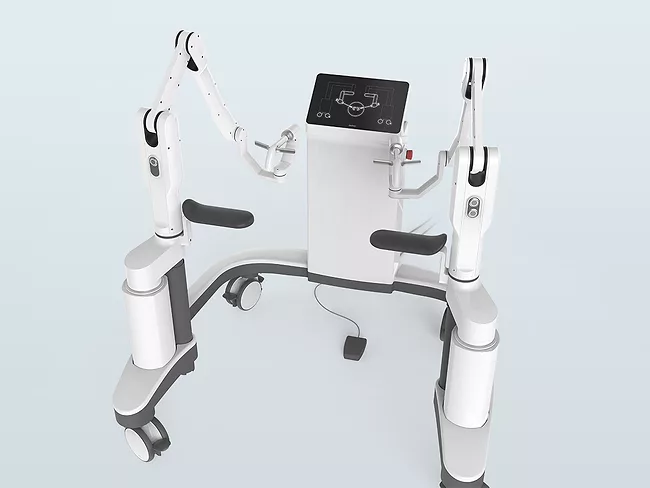
The U.S. FDA granted 510(k) clearance to Distalmotion SA's Dexter, its surgical robotic system, for use in cholecystectomy in adults. The greenlight from the regulatory body is the second nod Dexter has received following de novo clearance granted in 2024 for use in inguinal hernia repair.
The U.S. FDA’s device guidance drought ended with the issuance of one draft and one final guidance, the latter of which deals with the Q-sub program for early interaction with sponsors of device applications. Per a request by industry, the agency indicated it is amenable to including FDA policy staff during these meetings, which may help to avoid surprises in premarket applications.
 RSS
RSS