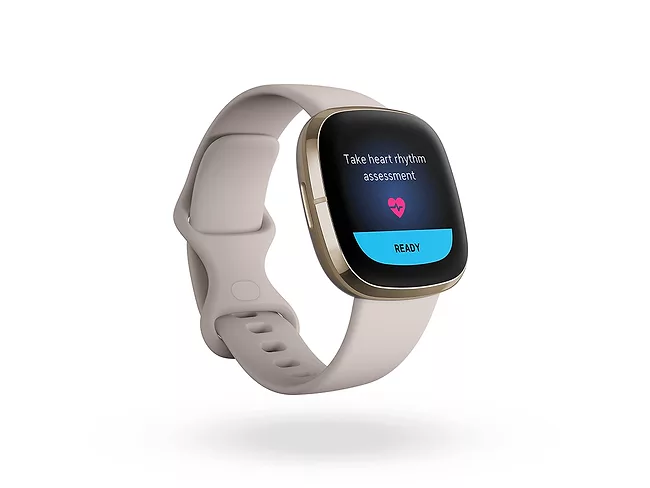
Using step counts and heart rate readings from Google’s Fitbit devices, a machine learning model accurately predicted the risk of hospitalization, a study presented at Heart Rhythm 2025 found. The study used data from participants in the National Institutes of Health’s All of Us research program.
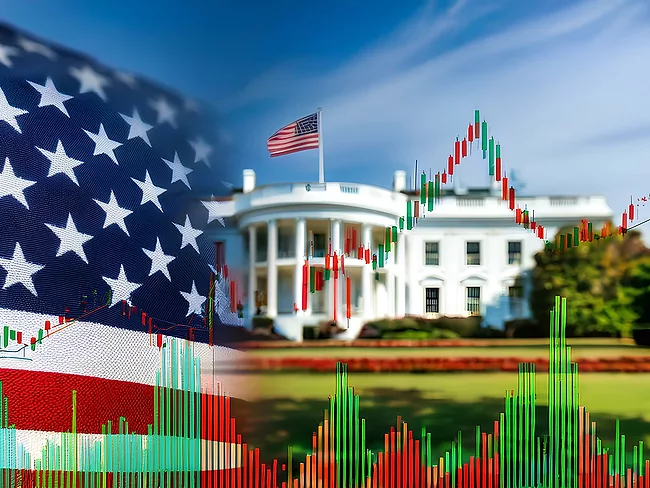
The first 100 days of the Trump administration have been nothing short of chaotic, both in the U.S. and throughout the world. Shining a light through the uncertainty, BioWorld continues to cover the administration’s latest policy decisions and actions affecting the life sciences sector, as well as their impacts across the globe. It’s all right here at Trump administration impacts.
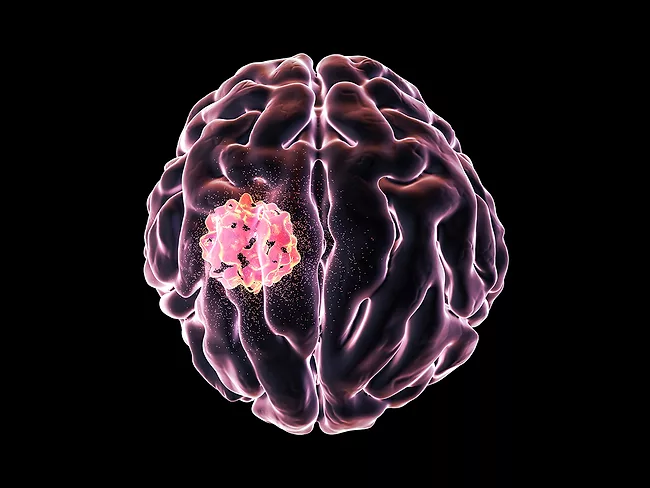
The U.S. FDA issued a complete response letter (CRL) to Telix Pharmaceuticals Ltd. for its NDA for glioma imaging agent, TLX-101-CDx (floretyrosine F18 or 18F-FET, Pixclara), citing the need for additional confirmatory clinical evidence.
First quarter earnings reports from Edwards Lifesciences Corp., Intuitive Surgical Inc. and Boston Scientific Corp. support trends seen earlier: Larger med-tech companies expect substantial tariff hits, but also have confidence that they can absorb the impact with fairly minor adjustments.
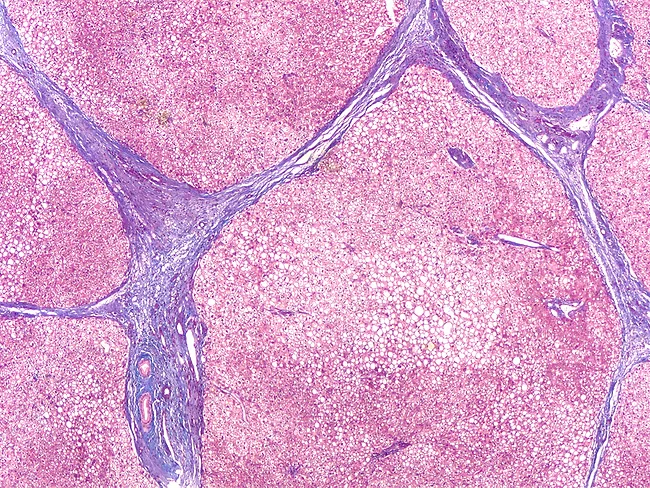
The U.S. FDA granted breakthrough device designation to Mursla Bio Ltd.'s Evoliver. The biopsy blood test uses extracellular vesicles to survey hepatocellular carcinoma in high-risk cirrhotic patients.
The U.S. Department of Justice recently announced the formation of a task force that will advocate the roll-back of regulations that affect a wide swath of sectors of the American economy. Health care is one of the areas of interest for the task force, which will examine state as well as federal regulations.
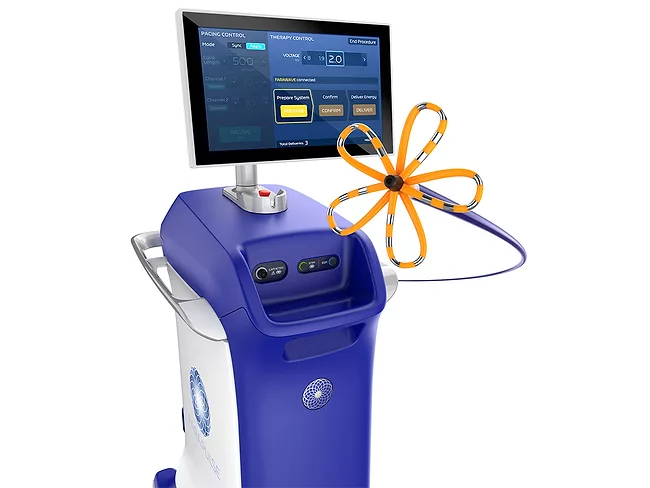
Growth in the first quarter for Boston Scientific Corp.’s blockbuster products, Farapulse and Watchman, pushed the company well over analysts’ expectations and gave management confidence to raise its guidance for the year to 15% to 17% up from 12.4% to 14.5%, despite a projected $200 million in tariff impacts.
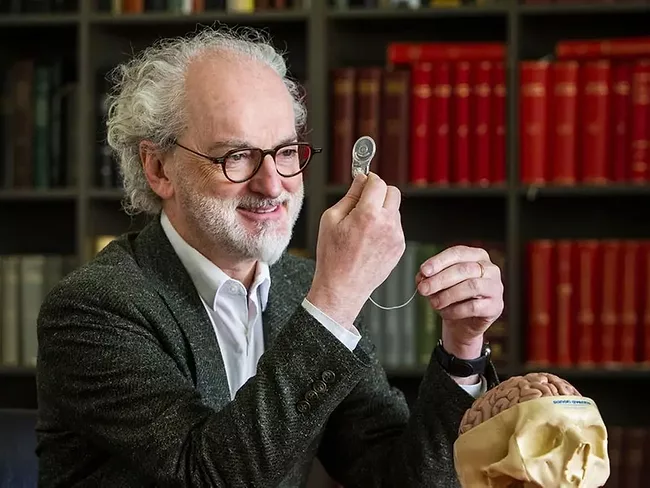
The U.S. FDA has granted de novo clearance for Epiminder Pty. Ltd.’s Minder implantable device for continuously monitoring brain activity in patients with epilepsy.
The U.S. FDA’s authority to require cybersecurity measures in premarket submissions is a radical change for industry, but firms must document that they have erected solid cybersecurity measures.
 RSS
RSS