The U.S. FDA granted breakthrough device designation to Mursla Bio Ltd.'s Evoliver. The biopsy blood test uses extracellular vesicles to survey hepatocellular carcinoma in high-risk cirrhotic patients.
The U.S. Department of Justice recently announced the formation of a task force that will advocate the roll-back of regulations that affect a wide swath of sectors of the American economy. Health care is one of the areas of interest for the task force, which will examine state as well as federal regulations.
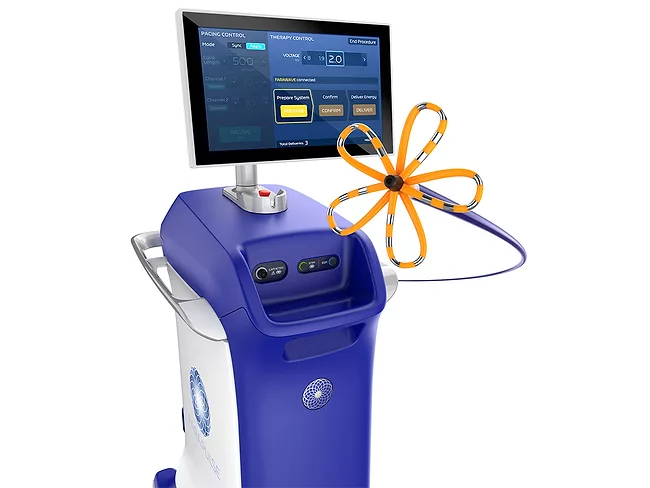
Growth in the first quarter for Boston Scientific Corp.’s blockbuster products, Farapulse and Watchman, pushed the company well over analysts’ expectations and gave management confidence to raise its guidance for the year to 15% to 17% up from 12.4% to 14.5%, despite a projected $200 million in tariff impacts.
The U.S. FDA has granted de novo clearance for Epiminder Pty. Ltd.’s Minder implantable device for continuously monitoring brain activity in patients with epilepsy.
The U.S. FDA’s authority to require cybersecurity measures in premarket submissions is a radical change for industry, but firms must document that they have erected solid cybersecurity measures.
In all practicality, U.S. FDA Commissioner Marty Makary’s recently announced policy directive removing industry representatives from the agency’s advisory committees may have little effect on the makeup of the drugs and devices committees, which typically include them as nonvoting members.
The use of Renalytix plc’s Kidneyintelx biomarker-based prognostic test led to increased and targeted use of sodium-glucose cotransporter 2 (SGLT2) inhibitors in patients at risk of diabetic kidney disease, compared to untested patients, according to data from a study.
Staffing cuts at the FDA’s device center led to speculation that the current user fee program may be fatally damaged, but Mark Leahey, president and CEO of the Medical Device Manufacturers Association, said in a meeting in Columbus, Ohio that there are too many resources for FDA at stake for the user fee program to be ended.
The Advanced Medical Technology Association released a policy proposal for AI in medical devices that took the U.S, FDA to task for its guidance for predetermined change control protocols for AI, stating that the guidance is “inconsistent with the statutory authority” for PCCPs.
 RSS
RSS