Medtronic plc’s Evolut Low-Risk trial continued to show non-inferiority of transcatheter aortic valve replacement to surgical aortic valve replacement in terms of death or disabling stroke at five years in a late-breaking presentation at the American College of Cardiology’s Annual Scientific Session in Chicago on March 30.
When every minute matters, quickly determining which patients in the emergency department need urgent care for myocardial infarction can save lives. Researchers at the University Hospital Münster in Münster, Germany, developed a deep learning model that can detect features on electrocardiograms that more accurately identifies which patients require urgent revascularization than clinicians and provides results faster than high-sensitivity troponin lab tests.
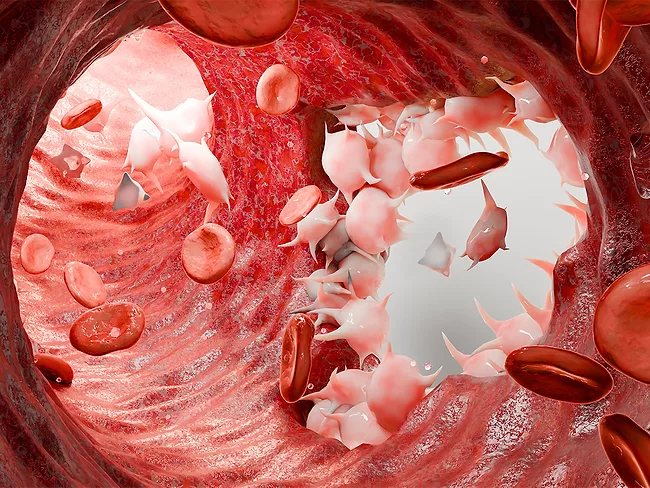
Sanofi SA gained U.S. FDA approval for fitusiran as a first-in-class siRNA therapy for hemophilia. Branded Qfitlia, the antithrombin-lowering therapy is indicated for use as a prophylactic treatment to prevent or reduce bleeding episodes in people with hemophilia A or B, with or without inhibitors.
Peter Marks’ March 28 letter giving one week’s notice of his resignation as director of the U.S. FDA’s Center for Biologics Evaluation and Research (CBER) is sending more ripples of uncertainty throughout the industry. Marks, who has helmed CBER for nearly a decade, blamed his departure on recently confirmed Health and Human Services (HHS) Secretary Robert Kennedy, who has made a career out of his anti-vaccine stance.
Digital therapeutics coupled with drugs has the potential to transform health care and change the way patients are treated, Anthony Costello, CEO of Medidata Solutions Inc., told BioWorld. Medidata recently strengthened its partnership with Click Therapeutics Inc., following an investment from its parent company Dassault Systèmes SE, which will see the two companies working to develop new therapies to improve the experience of patients.
In a move that undoubtedly has the unspoken support of the medical device industry, the U.S. Environmental Protection Agency (EPA) reported it will revisit several rules governing emissions that affect a broad swath of industries.
Australia’s top universities are looking more to Asia for research collaborations following threats from the Trump administration to stop funding research at institutions that don’t comply with U.S. narratives.
The first disease modifying therapies for Alzheimer’s may have limited utility in some senses, but they will be a force for change, providing momentum and altering the way governments as payers, and health systems as carers, think about the disease.
The U.S. Department of Health and Human Services HHS reported a plan to reduce staffing by 10,000 in an immediate reduction, which when paired with retirement initiatives will drop staffing by as many as 20,000.
The U.S. FDA gave the green light to Nanosonics Ltd.’s Coris system via de novo clearance for reducing infection risk by delivering improved cleaning outcomes for flexible endoscopes, especially the complex channels of endoscopes that are prone to biofilm build up.
 RSS
RSS