Phase II/III results from Gritstone Bio Inc. with Granite, a personalized neoantigen cancer vaccine for colorectal cancer, turned up the opposite of what some investors expected, and the company’s shares (NASDAQ:GRTS) ended April 2 at $1.20, down $1.15, or 49%.
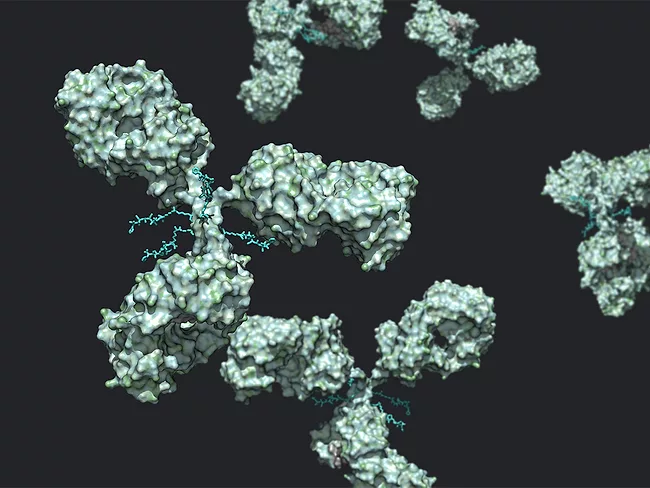
Jumping in for the first time to the hot antibody-drug conjugate (ADC) space, Paris-based Ipsen SA pulled in exclusive global rights to a preclinical ROR1-targeting candidate from Sutro Biopharma Inc. in a deal worth up to $900 million. STRO-003, the first ADC to join Ipsen’s portfolio, contains an anti-ROR1 human IgG1 antibody (SP-11385) conjugated to an exatecan warhead, or payload.
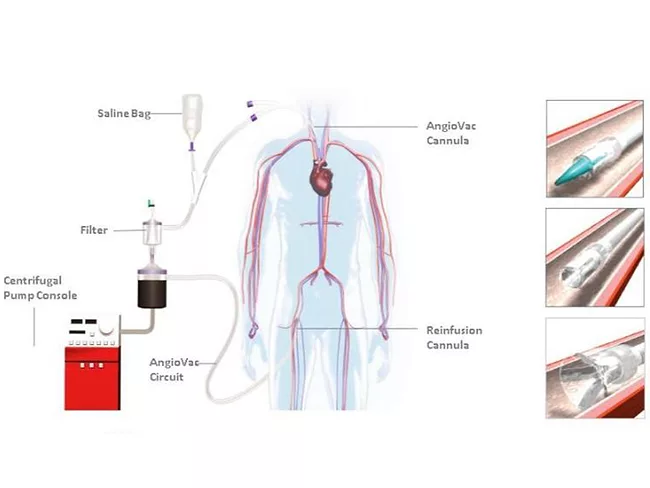
Angiodynamics Inc. said it has settled with the parent company of C.R. Bard Inc., over a series of conflicts over patents held by Bard that will cost Angiodynamics nearly $10 million just in 2024, potentially significantly more.
Abbott Laboratories reported the U.S. FDA approval of a new device specifically designed for the repair of leaky tricuspid heart valves. The Triclip was granted a PMA for the treatment of tricuspid regurgitation following the recent recommendation of the Circulatory System Devices Panel of the Medical Devices Advisory Committee for the FDA, whose vote confirmed 13 to 1, with 0 abstention that the benefits of Triclip outweighed the risks.
Laboratory Corporation of America Holdings Inc. agreed to purchase select assets of Bioreference Health from Opko Health Inc. for $237.5 million in a deal slated to close in the second half of 2024. The transaction could be the start of a buying spree for the country’s second-largest independent laboratory testing service provider, as Labcorp management has laid out an acquisition strategy that focuses on higher-growth areas, particularly reproductive and women’s health.
The possibility for expanding Bristol Myers Squibb Co.’s S1P modulator, Zeposia (ozanimod), into Crohn’s disease took a hit on disappointing data from the initial analysis of its Yellowstone study, the first of two phase III trials. Results showed the study failed to meet the primary endpoint, defined as clinical remission as measured by the Crohn’s Disease Activity Index at week 12.
The U.S. biopharma and med-tech industries are adding their voice to that of Gilead Sciences Inc. in urging the California Supreme Court to review the Gilead Tenofovir Cases, which seek to hold the drug company liable for how and when it developed its pipeline of HIV drugs.
It’s game time for Abbott Laboratories’ 15-minute concussion test now that FDA clearance is in hand. The I-Stat traumatic brain injury cartridge uses whole blood, allowing bedside assessment of patients without lab processing.
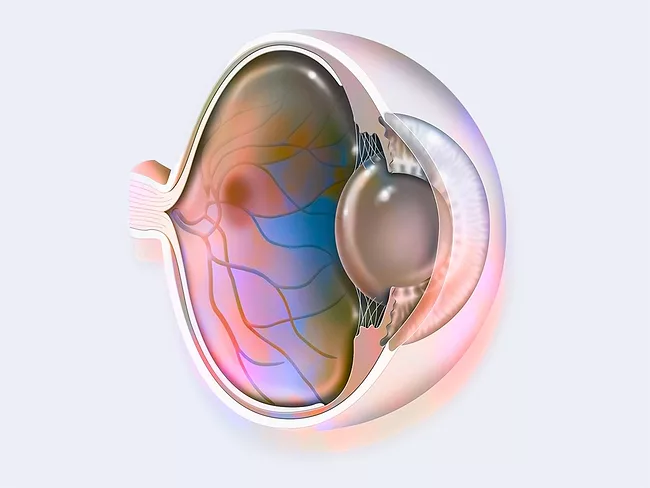
The notion of using vacuum pressure on the anterior portion of the human eye as a treatment for open-angle glaucoma might be a clinical novelty, but Balance Ophthalmics Inc. is poised to change that. The company recently won a favorable outcome at a U.S. FDA advisory panel for its Fsyx negative pressure pump for ocular use, although the company is likely to have to drum up a large body of data in post-approval studies, assuming the FDA gives the Fsyx the nod.
Voydeya (danicopan), from Alexion, Astrazeneca Rare Disease, racked up its second global approval as the U.S. FDA greenlit it as an add-on therapy for treating extravascular hemolysis in adults with paroxysmal nocturnal hemoglobinuria (PNH), a crowded market with several already approved treatments and more in development.

 RSS
RSS