The White House laid out several timelines Oct. 18 as part of a national biodefense strategy for countering biological threats and enhancing global pandemic preparedness.
Aim Biotech Pte. Ltd. has launched a lab tool that can closely model human disease. The organic system can add vascularization and immune competence to organoids, spheroids and tumor biopsies. This allows for the creation of a more defined and tunable microenvironment that more closely emulates the complexity of human physiology.
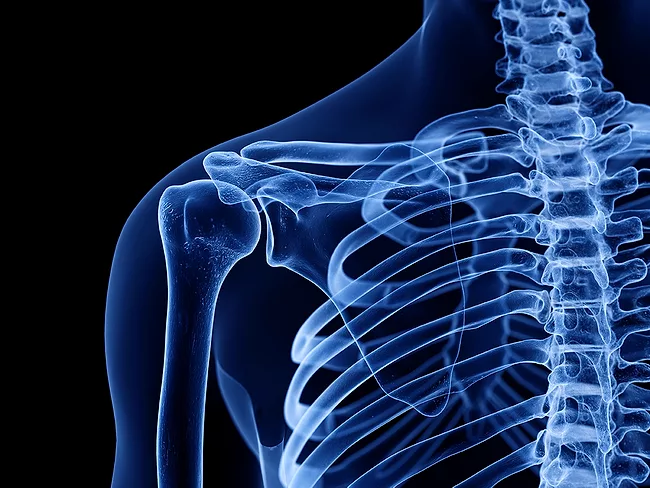
Curvebeam AI Ltd. won a U.S. FDA breakthrough device designation for Ossview, its investigational software that detects osteopenia or reduced bone mass in the already fragile bones of women 70 years of age and older. Osteopenia is difficult to diagnose using conventional bone mineral density (BMD) testing because small changes in density mask major changes in bone microstructure.
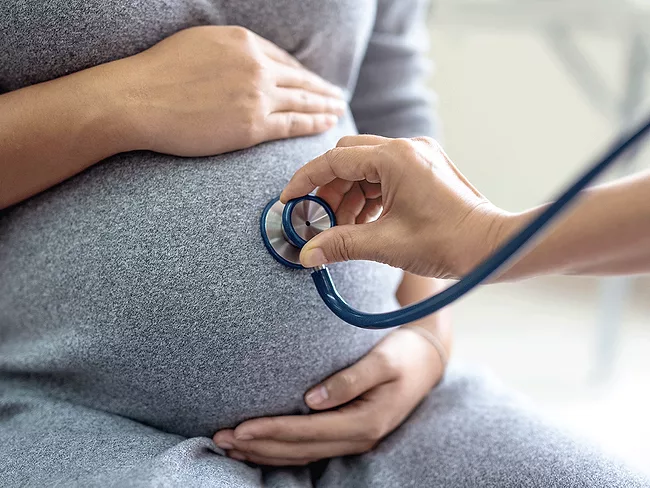
The FDA’s Center for Drug Evaluation and Research (CDER) came out punching Oct. 17 at the start of a three-day hearing before the Obstetrics, Reproductive and Urologic Drugs Advisory Committee on whether Covis Pharma BV’s Makena (17-hydroxyprogesterone caproate), a branded version of a drug that’s been used since 1956 to prevent preterm births, should be withdrawn from the market.
The U.S. FDA’s regulation of commercial speech under the First Amendment has been controversial and has handed the agency several losses in court, but Arun Rao of the U.S. Department of Justice let it be known that DOJ is still keen on commercial speech enforcement. Rao said the case of Gonzalez v. Google, which will be heard by the Supreme Court, is an example of potentially precedent-setting litigation, and that manufacturers of drugs and devices may experience an uptick in enforcement depending on where the Supreme Court lands in Gonzalez.
The annual North American Spine Society (NASS) Conference wraps up in Chicago on Oct. 15 and management discussions and analysts make it clear that the sector is not yet back to normal. While September showed an uptick in procedures, spinal surgery continues to lag the recovery seen elsewhere in orthopedics. As the challenges of the past two years recede, two players have posted notable gains in market share and revenue—Globus Medical Inc. and Alphatec Holdings Inc.—perhaps indicating a competitive advantage for smaller, more agile companies.
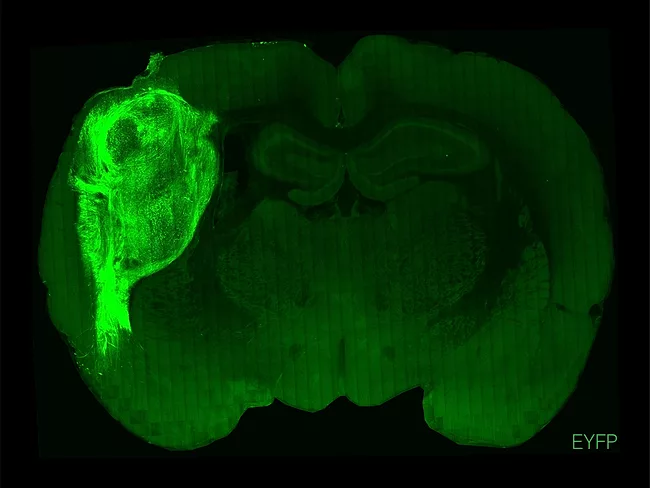
Human brain organoids transplanted into rats could be used as an in vivo model for the study of neuropsychiatric diseases. Researchers at Stanford University managed to mature human organoid neurons in the somatosensory cortex of the animal's brain and incorporate them into its neural circuitry.The integration improved the morphological and physiological properties of the transplanted neurons. Compared to those of organoids in a Petri dish, human cells preserved their own identity, and they modified the rat's learned behavior through stimulation and reward experiments.
Prescription drug names are generally invented words that are often easier to spell than they are to pronounce. And, for the most part, they’re meaningless until they’ve been associated with a drug.
Two Medicare administrative contractors are examining a request for expanded Medicare coverage of continuous glucose monitors (CGMs) that would drop the requirement that patients routinely administer insulin at least three times a day. The requestors, Alameda, Calif.-based Abbott Diabetes Care Inc., and a group of stakeholders including the Juvenile Diabetes Research Foundation (JDRF), assert that such a change is not only endorsed by two medical societies, but is also supported by clinical evidence, and the net effect for industry may be to significantly accelerate sales of these devices.
Heartbeam Inc. has been awarded a patent for what it called “the first and only” 3D-vector, 12-lead ECG platform for heart attack detection, this in conjunction with a credit card-sized device inside a consumer’s wallet for personal monitoring. The company said it can record and remotely transmit a set of cardiac signals to a physician for review so that patients at high risk of cardiac arrest are not left alone deciding if an ER visit is warranted.

 RSS
RSS