Device makers only can watch when cardiologists grapple with federal agency officials over device utilization. However, cardiologists are punching back hard against a rule used to judge whether a coronary artery stent is appropriately used, thus ensuring these devices won’t suffer a significant drop in utilization.
LONDON – The European Commission has published new guidelines on cybersecurity for medical devices, putting flesh on the bones of the requirements in the Medical Device Regulation (MDR) that comes into force in May.
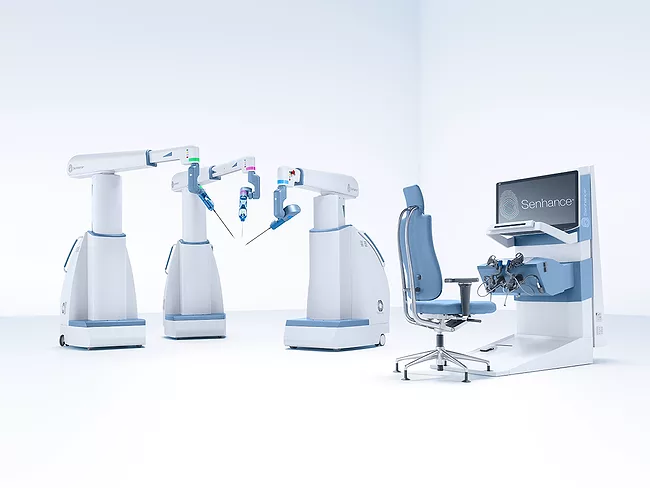
Transenterix Inc., of Research Triangle Park, N.C., said Tuesday that it has filed a 510(k) submission with the U.S. FDA for the Intelligent Surgical Unit (ISU), a machine vision system designed to work with its robotic Senhance surgical system. The new technology would equip users of the Senhance system with augmented intelligence to improve performance and surgical outcomes.
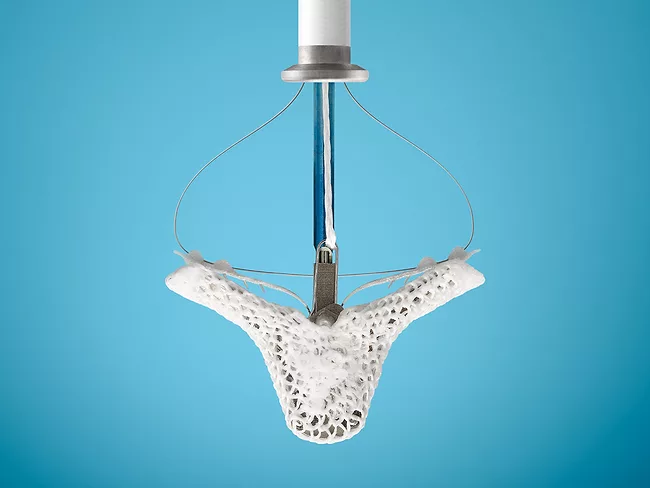
Abbott Park, Ill.-based Abbott Laboratories has gained the U.S. FDA’s nod for a clinical trial that will compare the effectiveness of Mitraclip to open-heart mitral valve surgical repair in people with primary mitral regurgitation (MR) who are eligible for open-heart surgery. The prospective, randomized REPAIR MR clinical trial is expected to enroll 500 patients.
HONG KONG – Indian authorities have apparently given medical device manufacturers a one-year extension to register for market authorization that was originally to be done by the New Year.
LONDON – Cognetivity Neurosciences Ltd. has received CE software as a medical device approval for its cognitive assessment tool, a five-minute test intended as a diagnostic aid to identifying the earliest stages of dementia.

 RSS
RSS