BOGOTA, Colombia – Venezuela’s med-tech sector has been virtually decimated by the ongoing crisis, which has not only displaced millions of people but also destroyed the country’s economy over the past four years.
Diabetes is the first med-tech sphere that is coalescing for Verily Life Sciences LLC, but cardiology could be next. The South San Francisco-based business that’s part of Google parent Alphabet Inc. has received a second FDA clearance for its Verily Study Watch as an irregular pulse monitor. After a 2017 debut, it was first cleared by the agency about a year ago for use to take an on-demand electrocardiogram (ECG).
Biointellisense Inc. received good news from the U.S. FDA, which gave its nod to the company’s Biosticker on-body sensor for scalable remote care. The Biosticker allows for continuous monitoring of vital signs and actionable insights, delivered to clinicians from patients in the home setting. The goal is to help in the early detection of potentially avoidable complications.
Tempe, Ariz.-based Gt Medical Technologies Inc. has won the U.S. FDA’s nod for an expanded indication for Gammatile therapy. With this decision, patients with newly diagnosed malignant brain tumors now are eligible to receive the FDA-cleared surgically targeted radiation therapy. Gammatile therapy offers an option vs. waiting several weeks for surgical wound healing before beginning treatment. Previously, the therapy was available for individuals with recurrent brain tumors.
The 2.3% tax on medical devices is a thing of the past. Now, Mark Leahey, president and CEO of the Medical Device Manufacturers Association (MDMA), has revealed to BioWorld that the supporters of the Affordable Care Act (ACA) saw the tax as little more than “a spreadsheet exercise” in financing the more costly elements of the legislation.
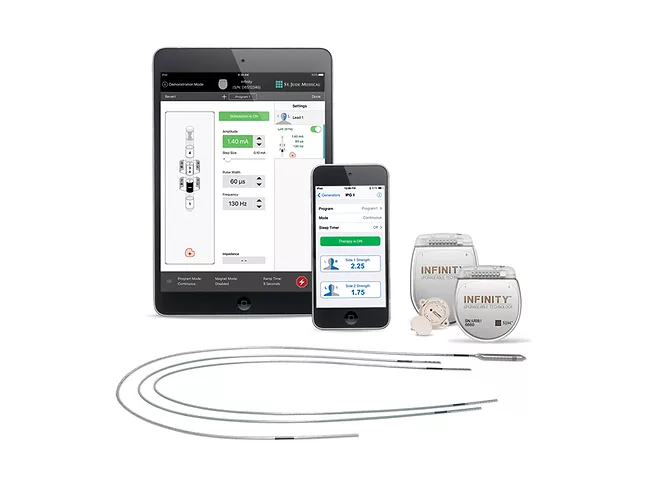
Abbott Laboratories had a winning week, scoring U.S. FDA approval of its Infinity directional deep brain stimulation (DBS) system in treating symptoms of Parkinson’s disease not adequately managed by medication. The company also reported new data underscoring the benefits of its Proclaim XR neuromodulation system in people living with chronic pain.
The latest global regulatory news, changes and updates affecting medical devices and technologies, including: Agency for Healthcare Research and Quality, Centers for Medicare and Medicaid Services, First Coast Services Options, Livanova, Medline Industries, National Institute for Health and Care Excellence, Novitas Solutions

 RSS
RSS