The American Medical Association’s CPT editorial panel will meet May 1-3 to consider codes for several devices and services, but the most important of these might be the code for cardiac contractility modulation.
Receipt of EU MDR CE mark may not be a magic potion, but Elixir Medical Corp. is certainly feeling a boost from the regulatory nod for its mechanical Lithix hertz contact intravascular lithotripsy system for treatment of moderate to severely calcified coronary artery lesions. Simultaneously, the company reported the launch of Lithix and completion of first cases in Italy, France and Germany.
Johnson & Johnson’s Medtech division reported the completion of the first cases in the clinical trial for the Ottava robotic surgical system. The cases mark the first clinical experience with the Ottava system, which has been a long time in development.
The Center for Medicare and Medicaid Innovation was founded with the objective of reducing Medicare spending, but many of the associated programs will be stood down by the end of this year thanks in part to a 2023 report detailing a significant increase, rather than a decrease, in spending associated with CMMI programs.
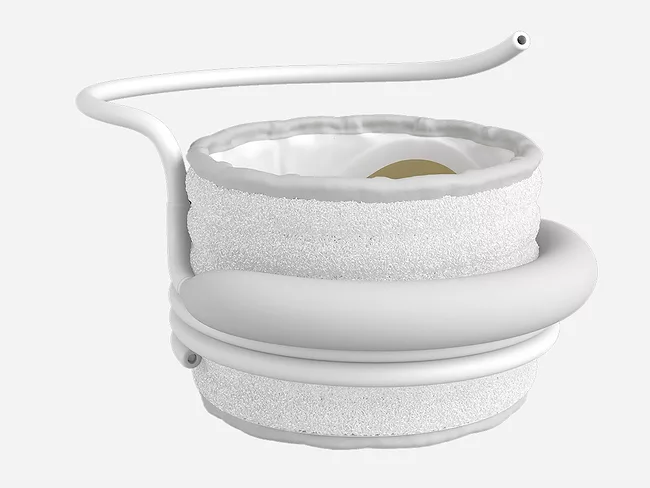
Edwards Lifesciences Corp.’s Sapien M3 secured CE mark for its Sapien M3 mitral valve replacement system for transfemoral treatment of patients with mitral valve disease who are ineligible for surgery or transcatheter edge-to-edge repair. Sapien M3 is indicated for individuals with symptomatic moderate-to-severe or severe mitral valve regurgitation.
The U.S. Medicare draft inpatient rule for fiscal 2026 discusses a number of coding proposals, although the agency seems disinclined to go along with a proposal to increase payment rates for TAVR devices by switching the procedures to a different diagnostic-related group.
The new technology add-on payment for the TAG thoracic branch endoprosthesis is likely coming to an end, but the device’s manufacturer, Gore Medical Inc., petitioned CMS to reassign the procedure to a new diagnostic-related group that would more accurately reflect the costs of the related procedure.
In a roadmap to change animal testing requirements for INDs, the U.S. FDA said its new approach will improve drug safety, hasten the evaluation process, and lower costs for companies and patients. It’s another step in a process of changing rules put in place decades ago.
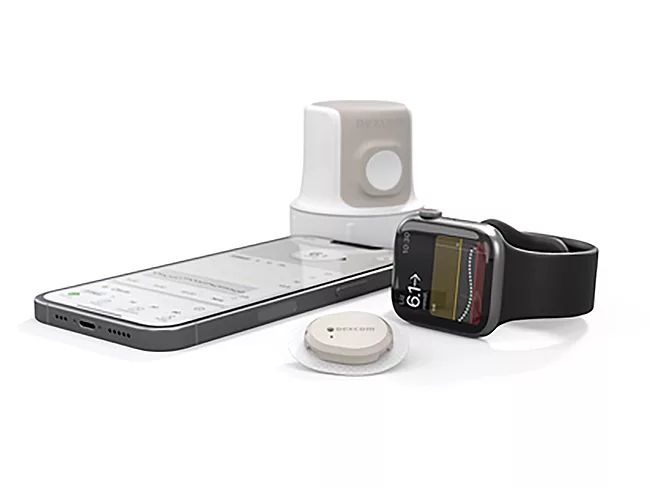
The battle to claim the continuous glucose monitor with the longest wear time continues with Dexcom Inc.’s G7 15 Day continuous glucose monitor gaining U.S. FDA clearance on April 10 for adults with diabetes. The company said it now takes the lead with the 15-day duration, but Abbott Laboratories also offers 15 days of useful life for its Freestyle Libre 3 plus.
Cardiovia Ltd.' Viaone epicardial access system received U.S. FDA clearance for treating cardiac arrhythmias. The device provides clinicians with a safe and minimally invasive technology to reach the heart’s outer surface, known as the pericardial space, without the need for a sharp needle, which can cause perforation.
 RSS
RSS