Ibio Inc. has received clinical trial notification (CTN) acknowledgement from Australia’s Therapeutic Goods Administration (TGA), as well as Human Research Ethics Committee approval, for IBIO-600, enabling the initiation of a first-in-human trial in Australia.
After more than a decade at the helm of the Pharmaceutical Research and Manufacturers of America (PhRMA), Stephen Ubl said he plans to step down as president and CEO of the trade organization at the end of the year.
The U.S. confirmed the agreement in principle made last December to exempt U.K. pharmaceuticals from import tariffs, as the U.K government put its commitment to spend more on patented drugs into effect.
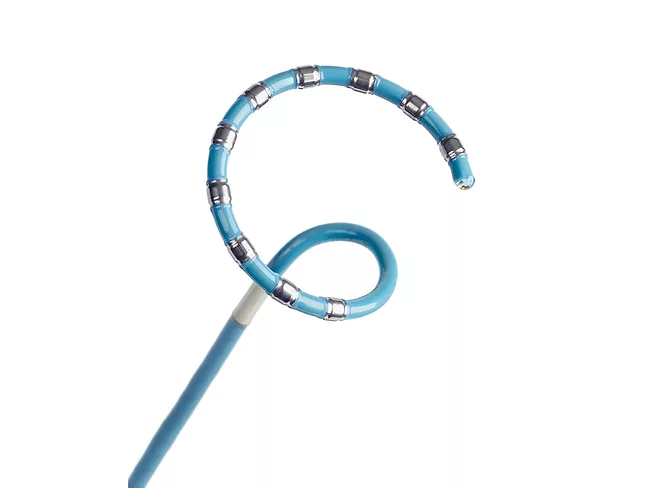
Johnson & Johnson launched its latest pulsed field ablation (PFA) catheter, Varipulse Pro, in Europe following CE mark approval, bringing another option to electrophysiologists looking to adopt PFA technology. The system features a new pulse sequence with a lower temperature profile and enables ablation that is five times faster than the previous sequence, while achieving equivalent lesions. It represents another significant development in the rapidly evolving PFA market that has transformed cardiac ablation treatment.
South Korea is rolling out regulatory changes to speed biosimilar development, including reforms to shorten review timelines, ease phase III trial requirements and simplify oversight of manufacturing changes.
Don’t like a court order? Sidestep it. That seems to be the idea behind U.S. Health and Human Services Secretary Robert Kennedy’s latest changes to his renewal of the charter for the CDC’s Advisory Committee on Immunization Practices (ACIP).
After nearly a year of threats and promises of a global biopharma tariff of 25% to 500%, U.S. President Donald Trump finally delivered it. In the name of national security, he imposed a 100% sector tariff on prescription drugs and their associated ingredients beginning in about four months for large manufacturers and six months for smaller companies.
Canwell Pharma Inc. has obtained IND approval from the FDA for CAN-016, a novel antibody-drug conjugate (ADC). The company will initiate a phase I study in patients with HER2-expressing solid tumors who have experienced disease progression following prior ADC therapies.
Do state laws requiring drug companies to give steep 340B drug discounts to an unlimited number of contract pharmacies, with no claims data required, interfere with a longstanding contract between the U.S. Congress and biopharma? Or do such laws merely flex states’ authority over pharmacy practices such as delivery?
After nearly a year of threats and promises of a global biopharma tariff of 25% to 500%, U.S. President Donald Trump finally delivered it. In the name of national security, he imposed a 100% sector tariff on prescription drugs and their associated ingredients beginning in about four months for large manufacturers and six months for smaller companies. However, depending on the drug, where it’s made and whether a manufacturer has reached onshoring and pricing agreements with the Department of Health and Human Services, the actual tariff could be as low as 0%.
 RSS
RSS