Regulatory snapshots, including global drug submissions and approvals, clinical trial approvals and other regulatory decisions and designations: Astrazeneca, Biontech, Genentech, Pfizer.
The U.S. FDA and Health Canada announced that they will roll out a pilot program that allows a medical device manufacturer to submit a medical device application to both agencies simultaneously for class II and class III medical devices.
The U.S. FDA’s 510(k) program is yet again under assault, this time from the authors of a Jan. 10 article in the Journal of the American Medical Association (JAMA). The authors’ primary point seems to be that any 510(k) devices that recite a predicate that is the subject of at least three recalls are themselves more likely than average to be the subject of a recall, although there was no discernible association between recall status and technological differences between the predicate and the follow-on devices.
Although the U.S. Inflation Reduction Act charges the Centers for Medicare & Medicaid Services with negotiating prices of the Part B and D drugs with the highest Medicare spend, the first two rounds of negotiations will focus solely on Part D drugs, which are dispensed through pharmacies.
Regulatory snapshots, including global drug submissions and approvals, clinical trial approvals and other regulatory decisions and designations: Astrazeneca, Avillion, Eisai, Intellia, SFA, Takeda, Union.
The U.S. FDA’s surveillance of endoscopes related to reprocessing issues has yielded two more warning letters, one each for Tokyo-based Olympus Medical and its Aizu Olympus subsidiary, both of which were cited for inadequate procedures for medical device reports (MDRs).
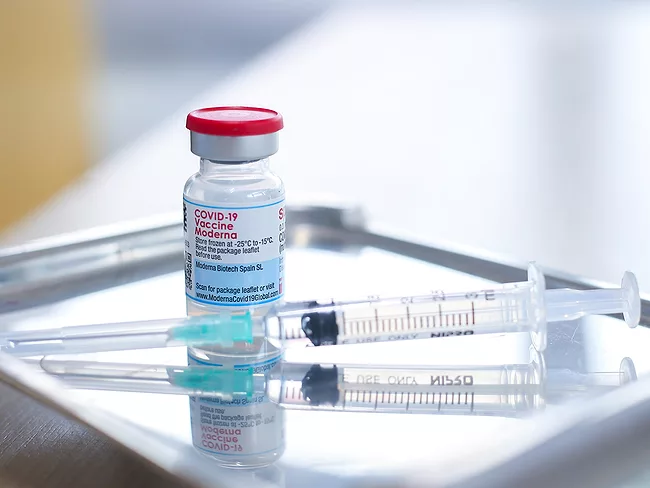
Sen. Bernie Sanders (I-Vt.), the incoming chair of the U.S. Senate Health, Education, Labor and Pensions (HELP) Committee, penned a blistering letter that takes Moderna Inc. CEO Stéphane Bancel to task over the company’s plans to more than quadruple the U.S. list price of its COVID-19 vaccine once the government’s supply is depleted.
China's National Healthcare Security Administration will not be adding Pfizer Inc.'s COVID-19 treatment Paxlovid to its list of medicines covered by basic medical insurance schemes in the country, due to its high prices.
Proposed mergers with Chinese companies will likely be subject to increased scrutiny from the Committee on Foreign Investment in the United States (CFIUS) as evidenced by the temporary hold placed on the merger between F-star Therapeutics Ltd. and Sino Biopharmaceutical Ltd.’s Invox Pharma Ltd. that was announced in June 2022.

 RSS
RSS