A pricing standoff between Pfizer Inc. and the Australian government has left women with advanced breast cancer facing tens of thousands of dollars in out-of-pocket costs, underscoring a growing global trend in which access to life-extending drugs is increasingly being shaped by pricing negotiations rather than clinical merit.
Daiichi Sankyo. Co. Ltd. will begin a phased sale of its consumer health subsidiary, Daiichi Sankyo Healthcare Co. Ltd., to Suntory Holdings Ltd., as the Tokyo-based drugmaker sharpens its focus on oncology.
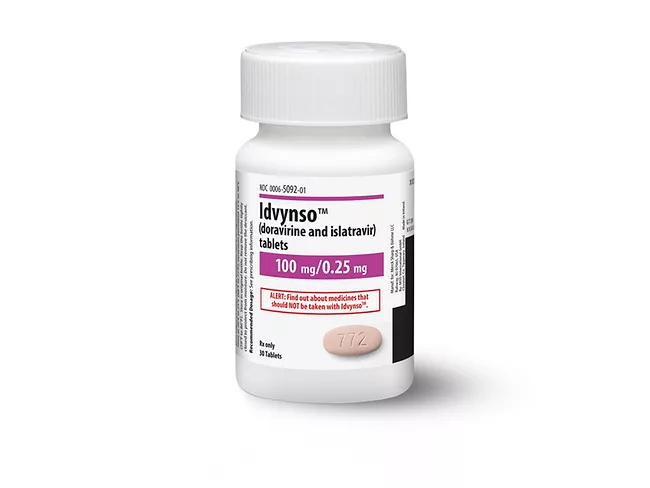
Arriving a week ahead of April 28 PDUFA date, the U.S. FDA approval of Merck & Co. Inc.’s Idvynso (doravirine/islatravir) brings a new treatment option to adults with HIV-1 infection who are virologically suppressed. The approval is for those with no history of virologic treatment failure and no known substitutions associated with resistance to doravirine.
Another biopharma acquisition is at the heart of one of the U.S. SEC’s latest insider trading settlements. This time, the trading centered on Jazz Pharmaceuticals plc’s $935 million purchase of Chimerix Inc. last year.
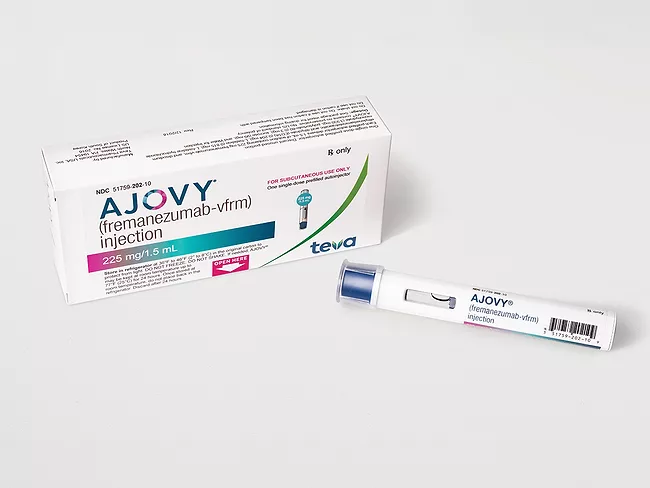
Ever since Teva Pharmaceutical Industries Ltd. sued Eli Lilly and Co. several years ago, claiming Lilly’s migraine drug, Emgality (galcanezumab), infringed its headache treatment patents, the two companies have been on a litigation rollercoaster.
Xeltis BV has secured CE mark approval for Axess, its restorative vascular access conduit for hemodialysis. The company also released 12-month data from its EU pivotal trial on the technology, which showed strong durability outcomes, including 79% secondary patency and a very low patency‑related reintervention rate of 1.3 per patient-year, as well as a substantial reduction in infection burden.
U.S. FDA drug approvals totaled 19 in March 2026, matching February and showing a solid level of regulatory activity, though slightly below the 22 approvals recorded in March 2025 and under the spike of 30 seen in March 2024.
Xuanzhu Biopharmaceutical Co. Ltd. reported positive data from a local phase III study of dirozalkib (Xuan Fei Ning), an ALK inhibitor approved in China to treat patients with advanced non-small-cell lung cancer.
Timothy Leary is dead, but he could be on the outside looking in with a smile on his face as U.S. President Donald Trump’s latest executive order (EO) fuels a surge in investment in companies researching and developing psychedelic drugs to treat mental health issues. The EO, Accelerating medical treatments for serious mental illness, is intended to address the increasing burden of suicide and serious mental illness, which impacts more than 14 million Americans.
As U.S. President Donald Trump’s third nominee for CDC director, Erica Schwartz will soon find out if three times really is a charm. Trump announced the nomination on social media April 16, touting Schwartz’s credentials for the job. Calling her “incredibly talented,” Trump cited her “distinguished career” as a military doctor, in the Navy and Coast Guard, and her service as deputy surgeon general during his first term in office.
 RSS
RSS