The House Select Committee on China launched an investigation into clinical trials involving U.S. companies that are conducted at Chinese military hospitals and in Xinjiang, China.
Orca Bio Inc. is bringing to market a precision-engineered cell therapy approach designed to improve outcomes in patients with hematologic malignancies undergoing allogeneic hematopoietic stem cell transplantation (HSCT) following U.S. FDA approval of Tregzi, a first-of-its-kind, personalized cell therapy.
The U.S. FDA’s new Precheck Pilot Program is taking flight with seven biopharma companies on board. As part of the Trump administration’s efforts to encourage onshoring of biopharma manufacturing, the program is intended to increase regulatory predictability, facilitate the construction of U.S. manufacturing sites and streamline the FDA’s plant assessments in advance of a specific product application.
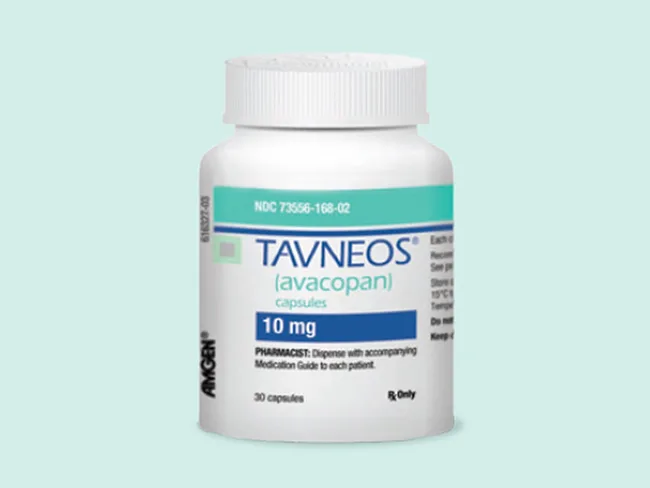
The academic authors of the paper describing the pivotal trial of Amgen Inc.’s Tavneos (avacopan) have retracted it from The New England Journal of Medicine because the primary endpoint assessments of nine patients were “re-adjudicated” after the database was locked and the study unblinded.
With the U.S. FDA go-ahead granted June 26 for Viridian Therapeutics Inc.’s IGF-1R antagonist Lumvoa (veligrotug-vvze, or “veli”) as a new thyroid eye disease (TED) therapy – due to launch immediately, the company said – Wall Street will be watching near-term payer dynamics. The drug is set to take on similarly targeted Tepezza (teprotumumab-trbw), owned by Amgen Inc. and approved in January 2020 to treat TED.
While the U.S. Supreme Court made it clear earlier this month in Hikma v. Amarin that skinny labels are still on the board for generics, the court didn’t resolve all disagreements over the generic carveouts.
Ready or not, the future has arrived. Novel AI and brain-computer interface (BCI) systems are no longer confined to the realm of science fiction. As an increasingly intertwined human-machine model moves closer to adoption in real-world clinical and military practice, technological advances are sparking concerns over public health, ethics and national security.
Viridian Therapeutics Inc.’s U.S. FDA clearance of Lumvoa (veligrotug-vvze) to treat thyroid eye disease (TED) includes labeling for chronic as well as active forms, and fewer infusions – plus fast, durable effects – should give the IGF-1R antagonist leverage in competing with similarly targeted TED drug Tepezza (teprotumumab-trbw), owned by Amgen Inc. and approved in January 2020.
The EMA is recommending withdrawing Amgen Inc.’s complement inhibitor Tavneos (avacopan) from the market in Europe, saying data provided at the time it assessed the MAA “were found to be incorrect and misleading and could no longer be relied upon for demonstrating Tavneos’ effectiveness.”
For the second time this year, the U.S. CDC’s Advisory Committee on Immunization Practices (ACIP) canceled a scheduled meeting due to a federal judge’s stay that keeps the panel from meeting with its current membership. Typically, ACIP meets three times a year – in February, June and October. The 2026 June meeting was slated for June 23-25. Whether the adcom meets in October will be up to the courts and how far Health and Human Services Secretary Robert Kennedy digs in his heels to maintain a hand-picked committee tilted toward his view of vaccines.
 RSS
RSS