The response from industry regarding the Environmental Protection Agency’s (EPA) draft rule for ethylene oxide (EtO) varied considerably, but the Advanced Medical Technology Association (Advamed) argued a fundamental methodological point in its comments to the docket. Advamed’s Ruey Dempsey said the EPA approach to determining safe levels of EtO relies on “a single epidemiological study,” an approach Dempsey said has drawn fire from the National Academies of Science.
The latest global regulatory news, changes and updates affecting medical devices and technologies, including: Advamed, Resmed, Abbott Vascular, Teleflex Medical.
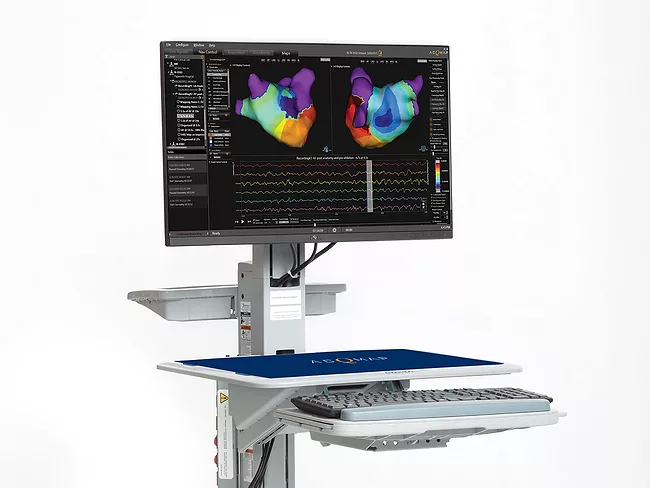
Acutus Medical Inc. is working to build itself into a major competitor in cardiac electrophysiology. The latest step to do so is an FDA clearance for its second-generation cardiac mapping software known as Supermap. This works in conjunction with its next-gen Acqmap 3D Imaging and Mapping System. The Carlsbad, Calif.-based startup, which was founded in 2011, is now marketing these in both the U.S. and Europe, where Supermap received a CE mark in October 2019.
A lot of development dollars are shed when the FDA withdraws approval or requests that a drug be withdrawn from the market because new potential risks have come to light. And it’s not just the brand company that feels the loss.
The latest mutation to the coronavirus, dubbed COVID-19, has sparked a reaction by many national governments, but the expense associated with development of vaccines and diagnostics is considerable.
The latest global regulatory news, changes and updates affecting medical devices and technologies, including: 10X Genomics, Bio-Rad Laboratories, Sanofi SA.
Fisher Wallace Laboratories of New York has filed a citizen’s petition with the U.S. FDA regarding the agency’s proposed class III designation for cranial electrotherapy stimulators (CES) for treatment of depression. The company argued that the agency disallowed evidence at an advisory hearing regarding this therapy provided by direct rather than alternating current, but also that the FDA had reneged on an earlier decision to classify these devices as class II devices.

 RSS
RSS