Novo Nordisk A/S' Ozempic, a once-weekly injectable version of the company's glucagon-like peptide-1 (GLP-1) receptor agonist, semaglutide, first FDA-approved in late 2017, has won the agency' approval for a new indication: reducing the risk of major adverse cardiovascular events (MACE) in adults with type 2 diabetes (T2D) and known heart disease.
PERTH, Australia – Australia’s Parliament has passed the first tranche of medical device regulations reforms that follow a number of consultations over the last two years.
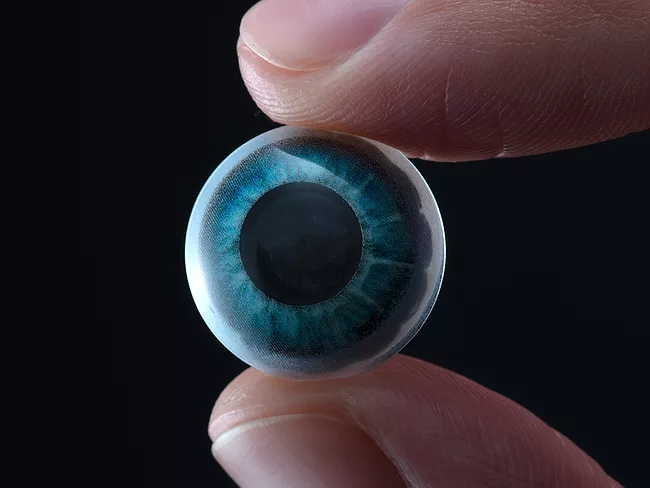
The U.S. FDA has granted breakthrough device designation to Mojo Vision Inc. for its first-of-a-kind true smart contact lens. The Mojo Lens, which features “invisible computing” and a built-in display, enables people to get timely information without having to look away from what they are doing or glance at a screen.
Device makers only can watch when cardiologists grapple with federal agency officials over device utilization. However, cardiologists are punching back hard against a rule used to judge whether a coronary artery stent is appropriately used, thus ensuring these devices won’t suffer a significant drop in utilization.
 RSS
RSS