Momentis Surgical Ltd. received 510 (k) clearance from the U.S. FDA for the second-generation of the Anovo robotic surgical platform. The upgraded system allows surgeons to experience enhanced ergonomics with integrated haptic feedback, creating more intuitive control of the robotic arms during surgical procedures.
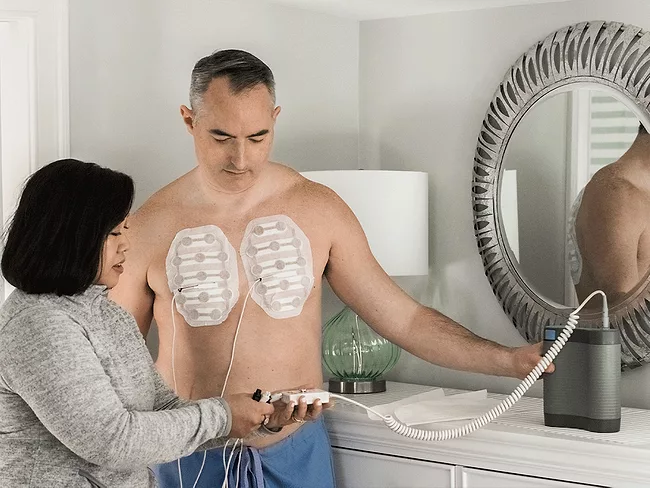
Quanta Dialysis Technologies Ltd. received the greenlight from the U.S. FDA for the use of its portable dialysis system at home. The clearance brings a much-needed option for patients with end-stage renal disease to receive their treatment in the comfort of their own homes and without a rigid dialysis schedule.
The U.S. FDA’s new draft guidance for the voluntary incorporation of patient preference information (PPI) in device development says that PPI would be included in product labels for cleared or approved medical devices.
Almost a year after U.S. FDA approval of the first pulsed field ablation device for treatment of atrial fibrillation, Johnson & Johnson secured FDA approval for its Varipulse system, intensifying competition in the rapidly growing market.
GT Metabolic Solutions Inc. received U.S. FDA clearance for its Magdi bariatric surgery system. The system uses magnets to create side-to-side duodeno-ileal anastomosis without cutting intestinal tissue or leaving foreign materials in the body permanently.
Novocure GmbH secured U.S. FDA approval for Optune Lua, a wearable device that delivers alternating electric fields or tumor treating fields that kill cancer cells. Indicated for use with PD-1/PD-L1 inhibitors or docetaxel in the second or subsequent line for the treatment of metastatic non-small-cell lung cancer following the failure of platinum-based regimens, the approval was driven by the significant improvement in overall survival rates seen in the LUNAR pivotal study for Optune Lua.
The U.S. FDA granted Momentis Surgical Ltd. 510(k) clearance for its Anovo robotic surgical platform for use in single site, abdominal access ventral hernia repairs. The U.S. regulatory agency also gave the greenlight to CMR Surgical Ltd.’s Versius system for use in cholecystectomy, in a sign of the growing market for smaller, more portable robotic devices to assist in minimally invasive procedures.
Borvo Medical Inc., a neurointerventional med-tech startup, reported U.S. FDA 510(k) clearance of its Endoport Vacuum Assisted Collection (EVAC) system, an alternative to traditional subdural hematoma (SDH) drainage methods. The EVAC system is expected to be available in early 2025 the company said.
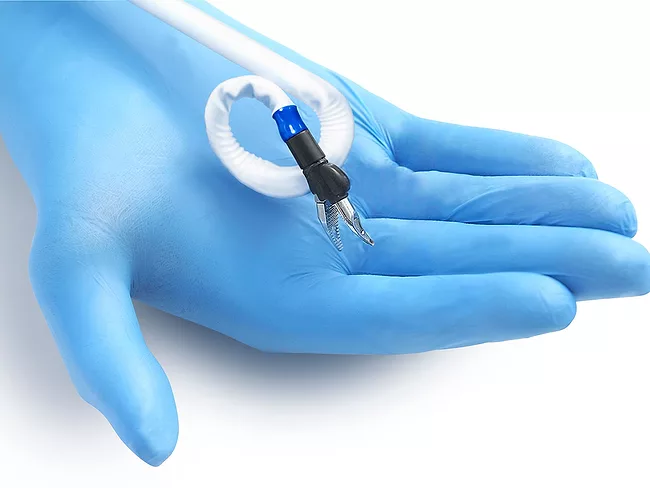
The Pi-Cardia Ltd. Shortcut — the catheter-based, leaflet modification solution for treating heart valves — received U.S. FDA clearance. The device was granted breakthrough device designation from the regulatory agency and is designed to split bioprosthetic aortic valve leaflets in patients undergoing valve-in-valve transcatheter aortic valve replacement (TAVR) procedures who are at risk of coronary obstruction.
Avicenna.ai SAS received U.S. FDA clearance for its Cina-Cspine algorithm, which uses machine learning technology to detect and triage cervical spine fractures from computed tomography images. The tool automatically flags imaging findings that are compatible with acute cervical spine fractures, which can cause serious neurological damage or paralysis.
 RSS
RSS