Cinfina Pharma Inc. has obtained FDA clearance of its IND application for CIN-110, a PYY3-36 analogue, allowing it to initiate a first in-human study in otherwise healthy subjects with obesity. CIN-110 is a stable and long-acting analogue of PYY3-36 being developed both as a monotherapy and for co-administration for obesity.
Updated results from Stoke Therapeutics Inc.’s studies of antisense oligonucleotide STK-001 showed a reduced convulsion seizure frequency in those ages 2 to 18 with Dravet syndrome. The new data, which also showed improved cognition and behavior in participants, substantially boosted the company’s stock value and caused analysts to applaud.
Kazia Therapeutics Ltd. has out-licensed paxalisib as a potential treatment for intractable epilepsy in focal cortical dysplasia type 2 and tuberous sclerosis complex disease in a carve-out deal with Sovargen Co. Ltd. for $20.5 million plus sales royalties.
Triarm Therapeutics Ltd. is on a mission to democratize CAR T therapies to make them more accessible and affordable, Triarm CEO Jay Zhang told BioWorld. “Nearly half of the patients eligible for CAR T therapies still cannot get treated, and the main reason is the expense, and the second is they cannot afford to wait.
In February, the U.S. FDA greenlit 11 new drugs, a slight decrease from the 14 approvals seen in the same month the previous year but an increase from January’s tally of eight FDA approvals.
Regenerative medicine company Mesoblast Ltd. saw its stock shoot up 45% on the news that the U.S. FDA is satisfied with the additional data submitted from the company’s phase III study for remestemcel-L for treatment of adults with steroid-refractory acute graft-vs.-host disease (SR-aGVHD) to support filing a BLA in pediatric patients with SR-aGVHD.
The U.S. FDA released two draft guidances in the third week of March 2024, one of which is a modest edit of an existing guidance for pre-submission activities between the agency and manufacturers.
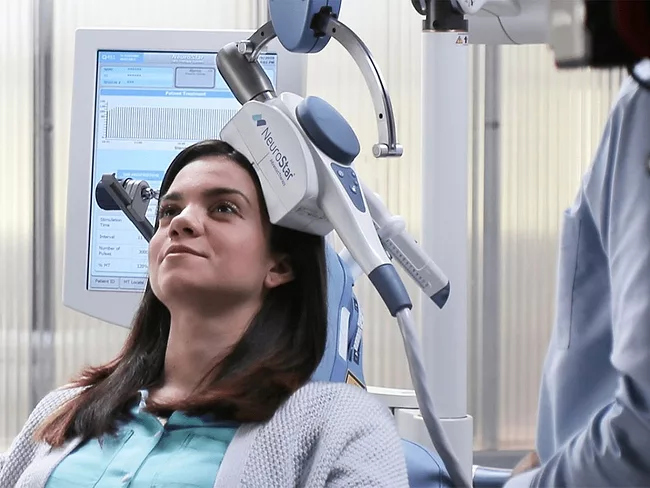
The U.S. FDA granted Neuronetics Inc. clearance for use of its Neurostar advanced therapy as an adjunctive treatment of major depressive disorder in patients aged 15 to 21, making it the first transcranial magnetic stimulation treatment (TMS) cleared for this age group, the company said.
The U.S. FDA granted emergency use authorization (EUA) on March 22 for Waltham, Mass.-based Invivyd Inc.’s half-life extended monoclonal antibody (MAb) VYD-222 – making it available to prevent COVID-19 in immunocompromised adults and adolescents – but its use comes with a boxed warning for anaphylaxis.
The week began with PDUFA-delaying news for Regeneron Pharmaceuticals Inc. The company said it received two complete response letters (CRLs) from the U.S. FDA regarding the priority BLA for its bispecific antibody to treat lymphoma, odronextamab.

 RSS
RSS