The Fiscal Responsibility Act (FRA) has been signed into law by U.S. President Joseph Biden, heralding a five-year span in which increases in discretionary budget spending will be limited to 1% after a flat funding picture in the coming fiscal year. While the news might seem to portend a flat budget picture for agencies such as the FDA and the National Institutes of Health, a new analysis by the Alliance for a Stronger FDA indicates that congressional intent might at least slightly overcome the limits imposed by the FRA.
U.S. FDA inspections are not always a pleasant experience, particularly when the end result is a warning letter. One company, Sea-Long Medical Systems LLC of Waxahachie, Texas, says the experience was a positive experience in that the company’s new ownership gained an important appreciation for the necessary rigors of medical device manufacturing.
Royal Philips NV and Masimo Corp. received U.S. FDA clearance that allows the activation of Sedline brain function monitoring, regional oximetry and carbon dioxide measurements in Philips Intellivue MX750 and MX850 patient monitors, which will streamline decision-making for clinicians by eliminating the need for separate pieces of monitoring equipment. The integrated equipment can help clinicians more quickly assess and monitor cerebral oxygenation, anesthetic sedation and patient respiratory performance using the same monitor.
Vanda Pharmaceuticals Inc.'s antisense oligonucleotide (ASO) VCA-894A has been awarded orphan drug designation by the FDA for the treatment of Charcot-Marie-Tooth disease, axonal, type 2S (CMT2S), caused by cryptic splice site variants within IGHMBP2.
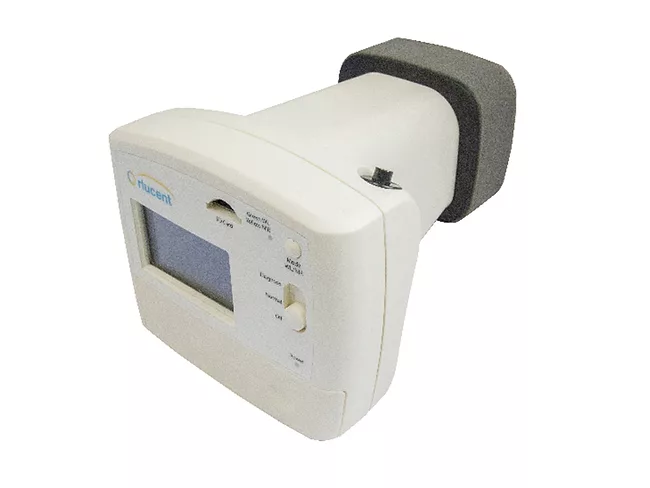
If Orlucent Inc. has its way atypical moles in adults will soon give up their secrets to clinicians on the lookout for skin cancer, this after the Los Gatos, Calif.-based company received a U.S. FDA breakthrough device designation for its non-invasive Orlucent skin fluorescence imaging system. The system is a hand-held point-of-care molecular-based imaging device that identifies “tissue remodeling activity” inside atypical moles that could be a precursor to early melanoma.
The U.S. House of Representatives has passed an agreement with the Biden administration on the debt ceiling, a deal that does not affect mandatory spending programs such as Medicare. However, the agreement, which still must gain the Senate’s stamp of approval, appears to eliminate any chance of yet more monies for the National Institutes of Health or the FDA, two programs of intense interest for companies in the life sciences.
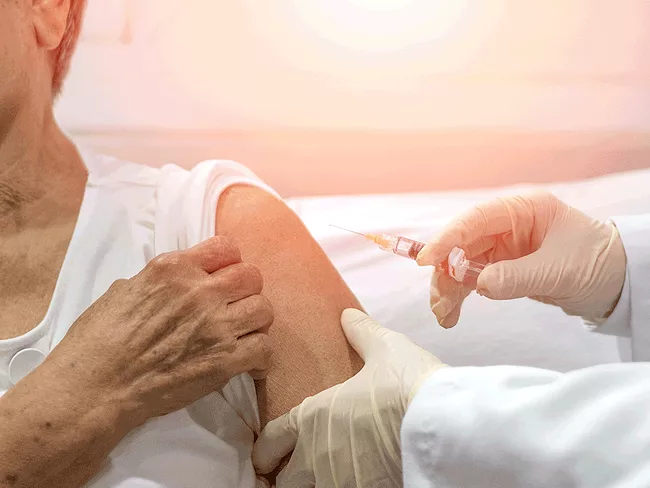
Becoming the second approved respiratory syncytial virus (RSV) vaccine for the 60 and older crowd, Pfizer Inc.’s Abrysvo (RSVpreF; PF-06928316) received a U.S. FDA nod on May 31 for RSV lower respiratory tract disease. In February, the agency’s Vaccines and Related Biological Products Advisory Committee voted 7-4 that data support both the safety and efficacy of the vaccine. Behind this approval for the senior population is another potential approval, expected in August, for infants via maternal inoculation.
The U.S. FDA has granted 510(k) clearance to GE Healthcare Technologies Inc. for its Precision DL for PET/CT, an artificial intelligence (AI) and deep learning (DL)-powered software designed to sharpen quality and improve efficiencies in medical imaging. Part of the company’s Effortless Recon DL portfolio, the technology is available on GE’s Omni Legend PET/CT digital scanner.
The U.S. FDA has issued a final guidance for non-clinical performance testing for tissue containment bags used during power morcellation procedures, and the FDA had recommended in 2020 containment bags always be used during morcellation procedures. Despite the FDA’s advisory, a survey of surgeons published last year suggested that most of these procedures are not done with these containment systems, possibly because the rate of procedure-related complications is considerably higher when containment is used.

 RSS
RSS