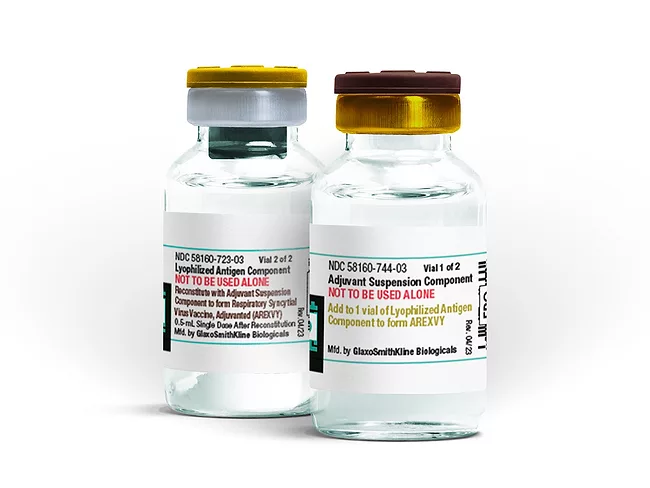
The U.S. FDA has approved the country’s first-ever respiratory syncytial virus (RSV) vaccine, Arexvy, from GSK plc. The adjuvanted vaccine is also the first for older adults anywhere on the planet. GSK now has a head start to vaccinate the U.S. market, but other big companies, such as Sanofi SA and especially Pfizer Inc., are in late-stage development and will pose strong challenges in the coming year. Pfizer’s PF-0692831/RSVpreF, an RSV vaccine for treating lower respiratory tract disease caused by RSV, has a priority BLA with a May 31 PDUFA date.
While the U.S. continues to call out other countries for weak enforcement of intellectual property rights, trade secret theft and forced technology transfers in the life sciences sector, some companies in the sector claim similar things are happening in the U.S. In its 2023 Special 301 Report, released April 26, the Office of the U.S. Trade Representative (USTR) noted “the growing need for trading partners to provide effective protection and enforcement of trade secrets.”
Onquality Pharmaceuticals LLC has received FDA clearance of its IND application for OQL-036, a potential prophylactic treatment for capecitabine-induced hand-foot syndrome (HFS).
Atsena Therapeutics Inc.’s IND application for ATSN-201 has been cleared by the FDA enabling the company to initiate a phase I/II trial in patients with X-linked retinoschisis (XLRS) caused by pathogenic or likely pathogenic mutations in RS1.
It’s not often that getting an NDA rejected by the U.S. FDA is cause for a company’s stock to rise. But in the case of Ascendis Pharma A/S, the agency’s anticipated complete response letter (CRL) for Transcon PTH (palopegteriparatide) offered some much-needed clarity and a potentially optimistic time frame for an NDA resubmission seeking approval of the once-daily hormone replacement therapy for hypoparathyroidism, news that sent the company’s shares (NASDAQ:ASND) up 24%, or $16.78, to close May 1 at $86.74.
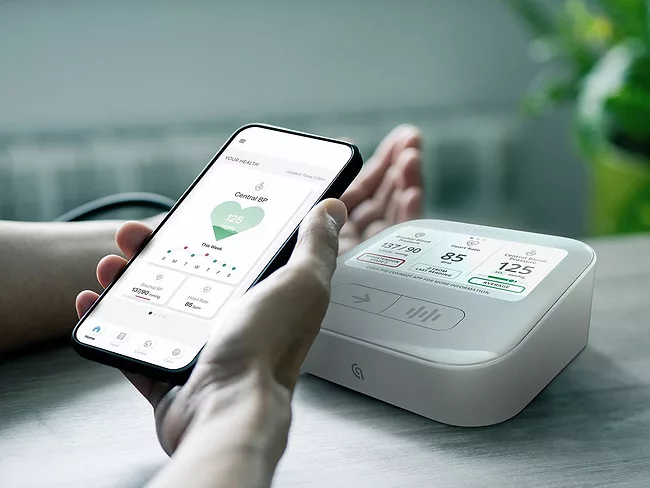
Cardiex Ltd. won U.S. FDA clearance for its Conneqt Pulse vascular biometric monitor. According to the digital health and wearables company, the device is the first in the world to provide measurements of both brachial blood pressure in the arm and central blood pressure in the heart and aorta, as well as arterial waveform analysis and other clinically relevant vascular biomarkers, outside the hospital, research institutions or clinical trial sites.
The U.S. FDA’s Oncologic Drugs Advisory Committee has recommended by a wide majority that the PARP inhibitor Lynparza (olaparib) in a combination therapy for treating prostate cancer should be restricted to only patients whose tumors have a BRCA mutation.
Rnaimmune Inc., a nonwholly owned subsidiary of Sirnaomics Ltd., has received clearance from the FDA for its IND application to conduct a phase I trial for RV-1730, a SARS-CoV-2 vaccine booster candidate.
 RSS
RSS