The FDA’s May 4 webinar on patient data generated over the course of the product life cycle covered a number of topics, including the use of social media as a source of real-world evidence (RWE). The FDA’s Anne Hammer said, however, that while social media engagement has exploded over the past couple of decades, issues such as data duplication and verifiability will have to be resolved before patient engagement via social media can be relied upon as a source of RWE for regulatory purposes.
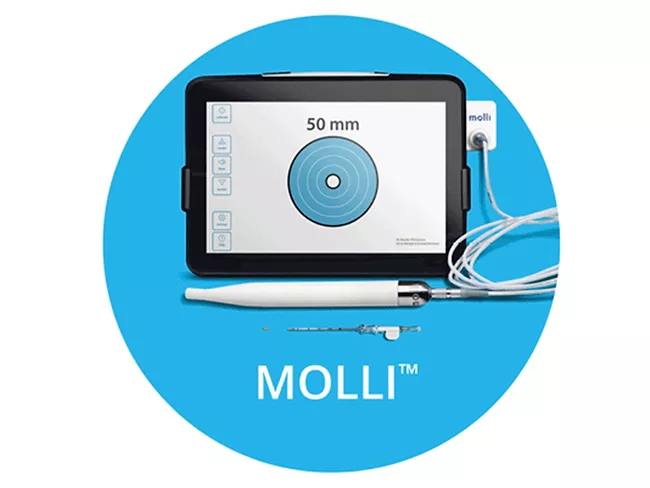
Molli Surgical Inc. has won the FDA’s nod for its wire-free localization technology for breast cancer surgery. The company said the Molli system helps radiologists tag cancerous lesions quickly and precisely, facilitating surgical excision and eliminating a source of anxiety associated with breast tumor removal.
While last week’s marathon Oncologic Drugs Advisory Committee meeting to consider accelerated approvals for cancer drugs that didn’t demonstrate effectiveness in confirmatory trials was a good step forward, oncologists need the FDA to do more to ensure drug labeling truly reflects the benefit of the product.
Astrazeneca plc followed up its win a year ago in heart failure (HF) with yet another approval for its oral SGLT2 inhibitor, Farxiga (dapagliflozin), now cleared by the FDA to reduce the odds of kidney function decline, failure, cardiovascular death and hospitalization for HF in adults with chronic kidney disease (CKD) at risk of disease progression.
The negotiations for the next device user fee agreement are well underway, and there are signs that the FDA is looking for a significant boost in user fees from device makers. However, Rep. Anna Eshoo (D-Calif.) told members of the MDMA that no member of Congress should believe that user fees relieve Congress of its responsibility “for funding the agency in a robust way.”
The FDA slapped Leo Pharma A/S’ BLA for IL-13 inhibitor tralokinumab with a complete response letter (CRL), making it the latest atopic dermatitis candidate to hit a regulatory setback in the U.S., following delays for three oral JAK inhibitor drugs earlier this month.
The FDA’s Oncologic Drugs Advisory Committee voted 6-2 April 29 to recommend withdrawing accelerated approval for Merck & Co. Inc.’s Keytruda (pembrolizumab) as a third-line treatment for a subgroup of patients with recurrent locally advanced or metastatic gastric or gastroesophageal junction cancer. The vote was based on FDA assurances that, if it withdrew the approval, it would work with Merck to delay the withdrawal or set up an access program to ensure the estimated 1,000 patients who are beyond first-line treatment could still get Keytruda.
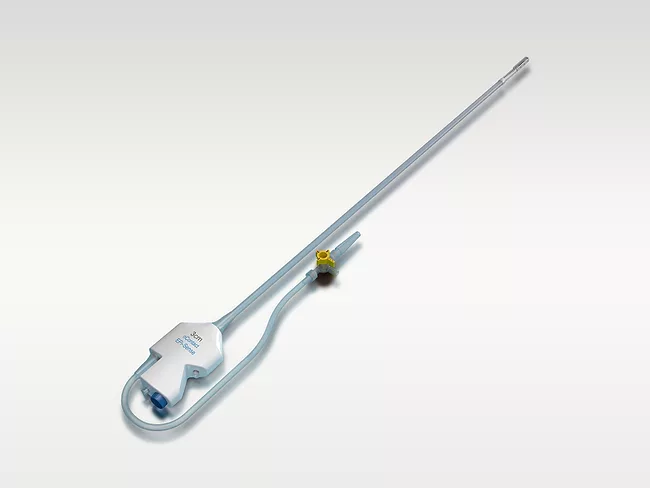
Atricure Inc. has received the green light from the FDA for its Epi-Sense guided coagulation system with Visitrax technology to treat patients diagnosed with long-standing, persistent atrial fibrillation (AF). The device was previously cleared via a 510(k) for the coagulation of cardiac tissue, and is already available in the U.S. The FDA approval represents the first and only minimally invasive ablation therapy for the more than 3 million Americans with longstanding AF.
In the final part of its three-day meeting on accelerated approvals granted to anti-PD-1/PD-L1 antibodies, the FDA’s Oncologic Drugs Advisory Committee (ODAC) voted unanimously to continue the accelerated approval for Merck & Co. Inc.’s Keytruda (pembrolizumab) as a therapy for patients with advanced hepatocellular carcinoma (HCC) who have been previously treated with sorafenib (Nexavar, Bayer AG).
Shares of Protalix Biotherapeutics Inc. (NYSE:PLX) fell 33% to $3.93 on April 28 after the company reported receiving an FDA complete response letter (CRL) in answer to its BLA for pegunigalsidase alfa, a galactosidase enzyme replacement therapy it has long advanced for the potential treatment of Fabry disease.
 RSS
RSS