PERTH, Australia – The FDA granted Melbourne-based Neuren Pharmaceuticals Ltd. and San Diego, California-based Acadia Pharmaceuticals Inc. a rare pediatric disease designation for trofinetide for treatment of Rett syndrome, a rare neurodevelopmental congenital central nervous system disorder.
Despite the growing concerns about the potential for the community spread of COVID-19 in the U.S., the FDA-FTC public workshop on competition in the biologics marketplace went ahead as scheduled March 9, playing to a full house with some audience members sitting in an overflow room. And all the invited speakers and people registered to speak during the open public hearing session showed up.
With the FDA approval of Novartis AG’s Isturisa (osilodrostat), an oral treatment for adults with Cushing’s disease, Recordati SpA, of Milan, is planning its U.S. market launch for the second or third quarter of this year. Recordati, which acquired Isturisa’s worldwide rights from Novartis in October for $390 million, expects sales to peak at $100 million annually.
“For those of us who believe in a free market, it is really important that the market works well,” FDA Commissioner Stephen Hahn said March 9 at a public workshop on ensuring a U.S. biologic marketplace that includes sustainable biosimilar and interchangeable competition.
Neuronetics Inc., of Malvern, Pa., has won U.S. FDA breakthrough device designation for its Neurostar transcranial magnetic stimulation (TMS) device for the treatment of patients with drug-resistant bipolar depression. The news comes as the company reported a strong fourth quarter for 2019, with revenue up 11% year-over-year to $17.4 million.
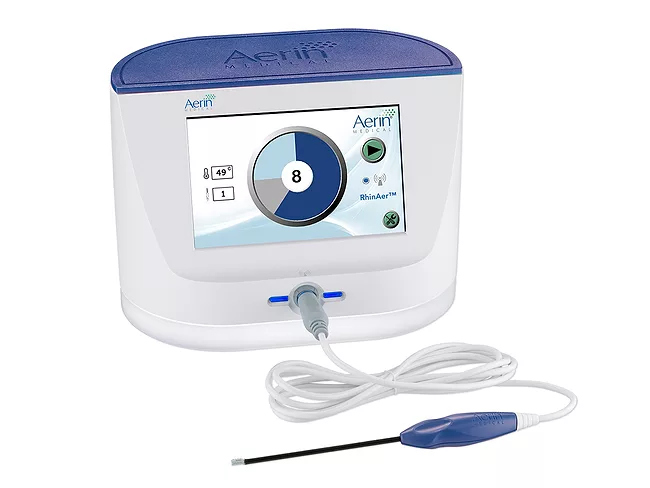
Aerin Medical Inc., an Austin, Texas-based company focused on minimally invasive solutions for chronic nasal conditions, has won U.S. FDA clearance for the Rhinaer Stylus to treat chronic rhinitis. The Rhinaer procedure can be performed under a local anesthetic in an ear, nose and throat (ENT) physician’s office, with no incisions and minimal discomfort.
PERTH, Australia – The FDA granted Melbourne-based Neuren Pharmaceuticals Ltd. and San Diego, California-based Acadia Pharmaceuticals Inc. a rare pediatric disease designation for trofinetide for treatment of Rett syndrome, a rare neurodevelopmental congenital central nervous system disorder.
With an eye toward helping those with early stage hepatocellular carcinoma (HCC), Basel, Switzerland-based Roche Group has won a breakthrough device designation from the U.S. FDA for the Elecsys GALAD score. When combined with ultrasound, the Elecsys GALAD score aims to help provide more accurate information for clinicians to treat patients at an earlier stage.
HONG KONG – Tessa Therapeutics Pte Ltd.’s CD30 CAR T-cell therapy has been granted a regenerative medicine advanced therapy designation by the U.S. FDA based on data from two independent phase I/II trials.
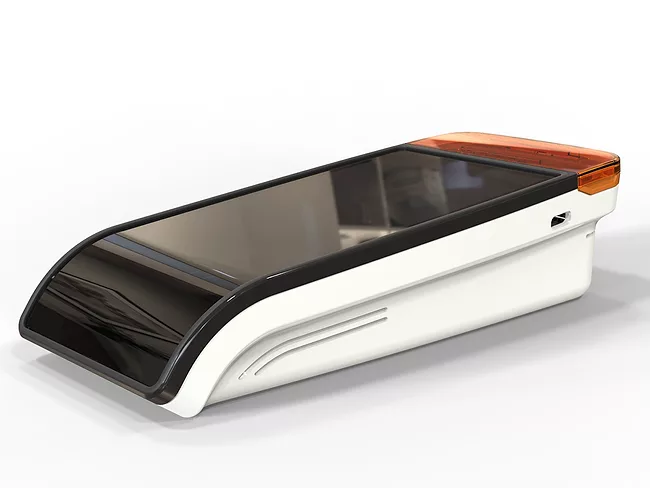
With trauma patients and those suffering from bleeding disorders, being able to quickly assess a person’s bleeding risk can be lifesaving, but most current tests to measure clotting ability are laboratory-based and don’t provide immediate results. To that end, the U.S. FDA has granted Cleveland-based Xatek Inc. breakthrough device designation for its Clotchip portable blood clotting sensor.
 RSS
RSS