LONDON – It was third time lucky for Acacia Pharma Group plc, as the FDA finally gave approval to Barhemsys (amisulpride) as a rescue treatment for surgical patients suffering postoperative nausea and vomiting (PONV), despite standard-of-care treatment.
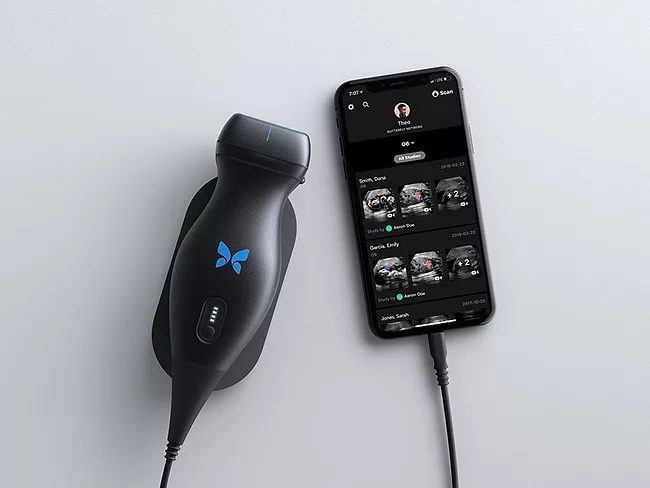
The second day of the FDA workshop on artificial intelligence (AI) in health care featured several interesting proposals, including that AI will be used in health care without the aid of a health care professional. John Martin, chief medical officer at Butterfly Network Inc., of Guildford, Conn., said the time is ripe for AI-assisted ultrasound in the home, which he claimed could reduce rehospitalizations in heart failure, one of the holy grails in U.S. government efforts to restrain health care spending growth.
Citing what it called poor study design and execution coupled with a lack of follow-up data, the FDA’s Oncologic Drugs Advisory Committee voted 13-2 against recommending approval of Steba Biotech SA’s NDA for Tookad (padeliporfin dipotassium) for injection in men with localized early stage prostate cancer.
While the staff at the U.S. Department of Health and Human Services (HHS) is currently all hands-on-deck in responding to the COVID-19 outbreak, some of the agencies in the department may have to divert resources to get sponsors of drug and device clinical trials to fill in nearly a decade-long data gap on Clinicaltrials.gov. That’s if a judge’s decision handed down this week stands.
Developers of artificial intelligence (AI) algorithms have their own nightmares to deal with, but the FDA is charged with employing a regulatory touch that steers clear of rocky shoals on one side and inescapable whirlpools on the other. The FDA’s Bakul Patel said during a Feb. 25 workshop that the FDA would quickly be swamped if the agency took a traditional regulatory approach to managing the super-iterative digital health space, but that the agency will keep a keen eye on the potential impact on patients as AI begins to move into clinical practice.
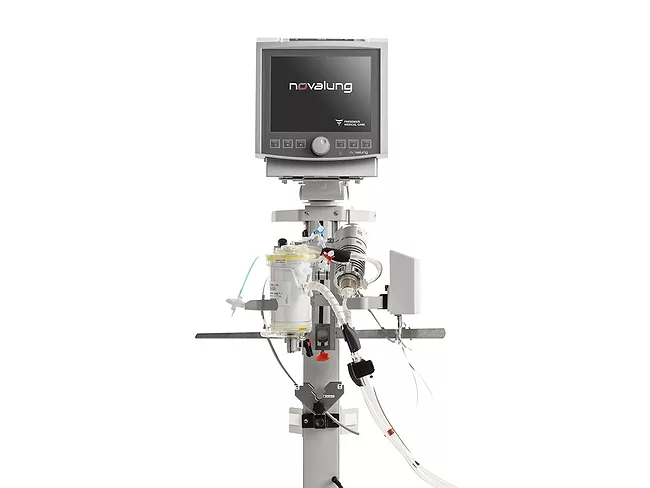
The U.S. FDA has given its nod to Novalung, a heart and lung support system from Fresenius Medical Care North America (FMCNA) for the treatment of acute respiratory or cardiopulmonary failure. The Waltham, Mass.-based company noted that Novalung is the first extracorporeal membrane oxygenation (ECMO) system to be cleared for more than six hours of use.
U.S.-based device makers have been grappling with FDA cybersecurity requirements for some time, but now the European Union (EU) is working on cybersecurity regulations as well. Throw in privacy requirements by the state of California and the EU’s General Data Protection Regulation (GDPR), and device makers are facing an increasingly complicated world of enforcement and litigation.
NATIONAL HARBOR, Md. – Cardiovalve Ltd., of Or Yehuda, Israel, scored a double hit with the U.S. FDA, winning a breakthrough device designation for its transcatheter tricuspid valve replacement system, as well as approval to conduct an early feasibility study in tricuspid regurgitation (TR).
Asuragen Inc., an Austin, Texas-based molecular diagnostics company, has received good news from the U.S. FDA. The agency gave the green light for the company’s Amplidex Fragile X Dx and Carrier Screen Kit, which aims to detect a genetic condition known as Fragile X syndrome. The diagnostic kit determines the number of cytosine-guanine-guanine (CGG) repeats in the FMR1 gene to aid in the diagnosis of Fragile X syndrome and associated disorders, including Fragile X-associated tremor/ataxia syndrome and Fragile X-associated primary ovarian insufficiency.
H. Lundbeck A/S’ antibody-based migraine therapy, Vyepti (eptinezumab-jjmr), which just received FDA approval as the first and only intravenous preventive treatment for adults, enters a market forecast to grow to $7 billion by 2027. While some analysts placed Vyepti’s earnings potential at about $800 million annually, the drug itself is positioned to become a possible blockbuster, earning $1 billion annually.
 RSS
RSS