Orexin OX2 receptor agonists have demonstrated the ability to enhance wakefulness in rodent models, as well as in nonhuman primates and patients with narcolepsy and idiopathic hypersomnia. Based on recent findings, it has been hypothesized that they may also regulate cognition, mood and other neuropsychiatric functions. Furthermore, dysregulated orexin signaling has been reported in patients with major depressive disorder (MDD) with suicide attempts.
About one-third of patients with major depressive disorder (MDD) are treatment resistant. Ketamine is very effective in treatment-resistant depression, but it is associated with psychotomimetic effects. Metabotropic glutamate mGlu2 and mGlu3 receptors negatively regulate the release of glutamate and are involved in the pathogenesis of depression.
Post-traumatic stress disorder (PTSD) is a condition with limited effective therapeutic options to date, where 5-HT2A receptor agonists show promise for enhancing cortical plasticity in the brain and aiming in the processing of trauma. Engrail Therapeutics Inc. has presented data for their 5-HT2A agonist and dopamine D2/D3 receptor antagonist neuroplastogen ENX-205 for the potential treatment of PTSD.
FGFR1 is a receptor tyrosine kinase that drives multiple intracellular signaling pathways involved in tumor cell proliferation, survival and progression. Because these pathways are frequently hyperactivated in colorectal cancer (CRC), FGFR1 represents a biologically relevant therapeutic target, and its inhibition has the potential to simultaneously suppress several oncogenic mechanisms.
Venetoclax has shown good results for adult acute myeloid leukemia (AML) in combination with azacitidine, but there is increasing evidence of inherent and acquired resistance. High expression of nicotinamide phosphoribosyltransferase (NAMPT) has been associated with cancer aggressiveness and poor prognosis due to increased nicotinamide metabolism.
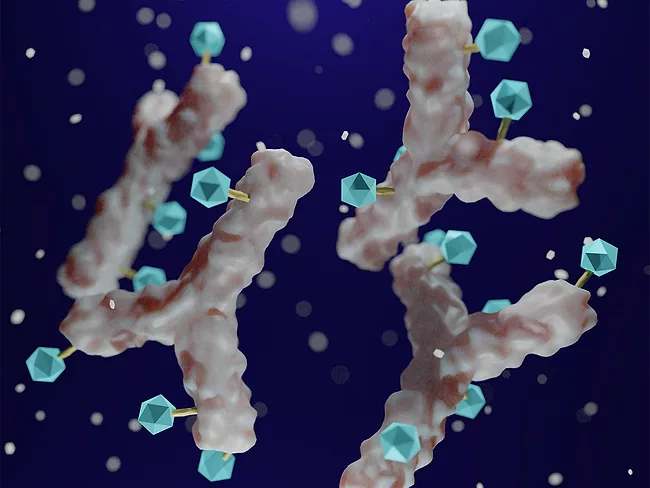
Over the course of the year, and continuing into the latest scientific meetings, an extraordinary breadth of new antibody-drug conjugate (ADC) designs was reported, with innovations spanning targets, linkers, payloads, conjugation chemistries and overall architectures. Once defined by a simple “one target, one payload” model, the field is lately expanding into a more versatile and diverse therapeutic space.
Shenzhen Grit Biotechnology Co. Ltd. and Shanghai Vitalgen Biopharma Co. Ltd. recently presented their work to develop and evaluate a novel anti-CD19 in vivo CAR T candidate, named GT-801.
The acquired von Willebrand syndrome (AVWS) is a rare bleeding disorder with laboratory findings similar to those of inherited von Willebrand disease. Researchers from the Nara Medical University and collaborating institutions presented a potential therapeutic approach for AVWS.
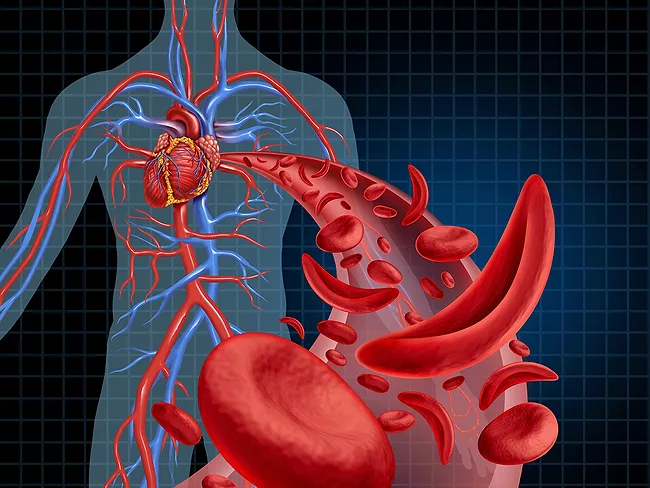
Sickle cell disease (SCD) is an inherited hemoglobinopathy caused by a mutation in the gene encoding β-globin that results in hemoglobin S polymerization, red blood cell (RBC) sickling and hemolytic anemia, among others.
IMV-101 is a new CAR T-cell therapy targeting CD19 developed by Suzhou Immunofoco Biotechnology Co. Ltd. for the potential treatment of B-cell malignancies and autoimmune diseases. The company has presented results of the evaluation of its in vitro and in vivo properties.

 RSS
RSS