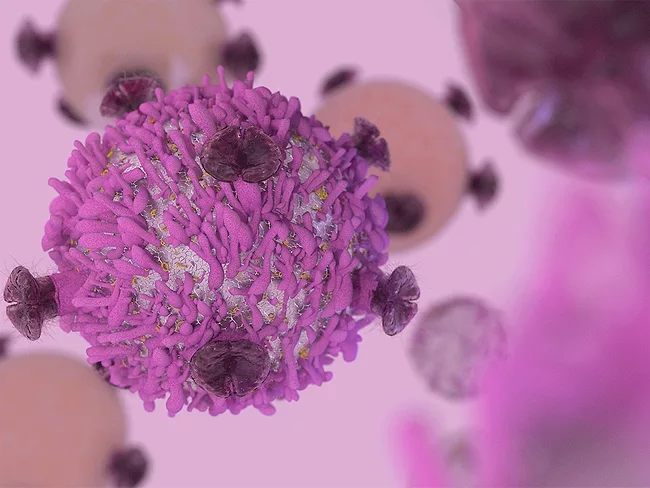
T-cell engagers (TCEs) drive synthetic antitumor immunity by bypassing endogenous T-cell priming and directly inducing tumor cell killing. In prostate cancer, targeting prostate-restricted antigens such as STEAP2, combined with CD8-guided TCE formats that favor cytotoxic T-cell engagement, offers a strategy to reduce cytokine release while maintaining antitumor activity.
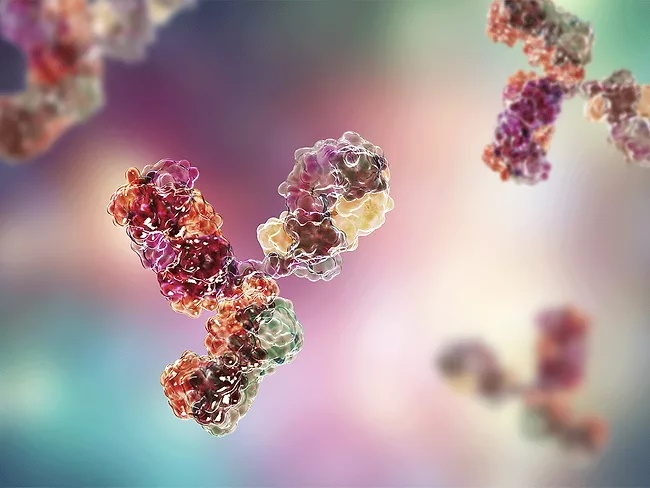
Researchers from Hangzhou DAC Biotechnology Co. Ltd. reported preclinical efficacy data for DXC-016, a next-generation, subcutaneously administered, dual-payload c-Met-targeting antibody-drug conjugate (ADC) derived from the DXA-016 anti-c-Met nanobody.
Tumor-associated calcium signal transducer 2 (TROP2) is a transmembrane glycoprotein involved in different signaling pathways that promote proliferation, migration and invasion of tumoral cells, and its overexpression is associated with poor prognosis in multiple cancer types. Astellas Pharma Inc. has developed a TROP2-targeting antibody-drug conjugate (ADC), ASP-2998, and recently presented preclinical data on the candidate.
Researchers from Genfleet Therapeutics (Shanghai) Co. Ltd. reported the preclinical profile of GFH-276, a molecular glue designed to function as a pan-RAS(ON) inhibitor.
Multidrug-resistant Klebsiella pneumoniae is a major health problem globally, with relevant infection-related mortality reported. Researchers from the Instituto de Salud Carlos III in Spain and their collaborators recently presented data regarding an outer membrane vesicle (OMV) vaccine for the management of K. pneumoniae infection, Kp-OMV4.
CDKs are central regulators of cell-cycle progression in cancer, with resistance to CDK4/6 inhibitors frequently converging on CDK2 activation through cyclin E upregulation or CCNE1 amplification, supporting CDK2 inhibition as a strategy to restore cell-cycle control. Researchers from Novartis AG have revealed the preclinical profile of ECI-830, an oral bioavailable, highly selective ATP-competitive CDK2 inhibitor.
The undrugged transcription factor interferon regulatory factor 5 (IRF5) is involved in autoimmune disorders such as Sjogren’s disease and rheumatoid arthritis in which dysregulation of IRF5 leads to autoantibody formation and secretion of pro-inflammatory cytokines, with type I interferon exacerbating inflammation. Totus Medicines Inc. has presented preclinical data regarding a novel IRF5 inhibitor for controlling autoimmune disorders.
If Benjamin Braddock, of The Graduate fame, were a young neuroscientist in the 21st century instead of a liberal arts graduate in 1967, the advice he received from his parents’ neighbor might not have been “One word: plastics!” but “One word: plasticity!” Plasticity is a hot concept in neuropsychiatric disorders. New and old treatment modalities, these days, are said to work as psychoplastogens or neuroplastogens.
Artificial intelligence tools are springing up at multiple points along drug discovery and development, but despite the hype, as yet there is minimal return on investment (ROI). “I would say a lot of companies sort of get this big excitement about AI, but then when you look at how much ROI they get, it’s actually very little. And that’s because the workflow and the process, end-to-end, isn’t mapped to really understand where AI can truly make an impact,” said Laura Matz, chief science and technology officer at Merck KGaA.
Homozygous deletion of methylthioadenosine phosphorylase (MTAP), present in ~15% of tumors, leads to accumulation of methylthioadenosine and partial inhibition of protein arginine methyltransferase 5 (PRMT5), creating a synthetic-lethal vulnerability that sensitizes tumors to PRMT5-targeted therapies. Researchers from Beone Medicines Ltd. presented preclinical efficacy data of BGB-58067, an MTA-cooperative PRMT5 inhibitor, in models of tumors with MTAP-deficiency.

 RSS
RSS