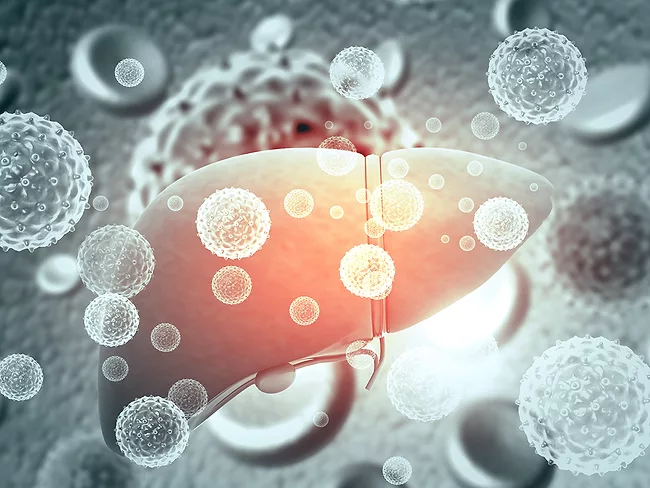
Concurrent infection with hepatitis B virus (HBV) and hepatitis delta virus (HDV) may lead to cirrhosis, fulminant hepatitis or hepatocellular carcinoma faster than infection with HBV alone.
The persistence of hepatitis B virus (HBV) covalently closed-circular DNA (cccDNA) and integration of HBV DNA into the hepatocytes lead to chronic HBV infection. Current therapies achieve long-term viral suppression but, as HBV cccDNA is not eradicated, lifelong treatment is needed.
One in every 500 newborns worldwide are affected by nonsyndromic hearing loss (NSHL). Whole-exome sequencing may help in identifying the genetic cause of NSHL.
Researchers from Sun Yat-sen University Cancer Center (SYSUCC) presented data from a study that aimed to assess the role of trophoblast cell-surface antigen-2 (TROP-2) in penile squamous cell carcinoma (PSCC).
Researchers from Federation University Australia and affiliated organizations have reported data from a study that aimed to assess the therapeutic efficacy of the poly (ADP-ribose) polymerase (PARP) inhibitor olaparib in a large animal model of pulmonary fibrosis.
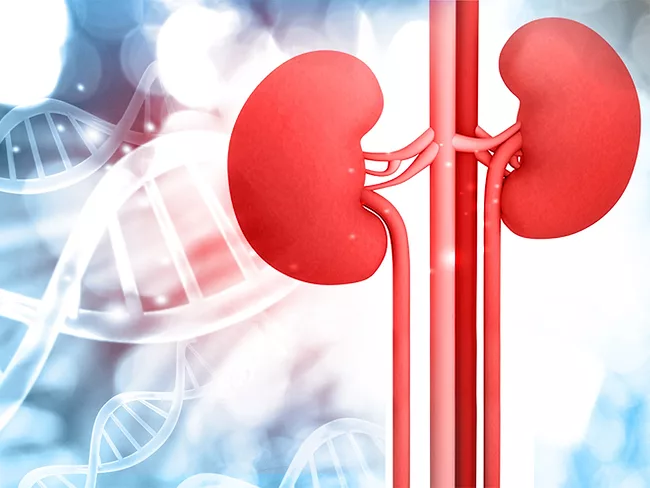
Chronic kidney disease (CKD) during diabetes may manifest several phenotypes, including diabetic nephropathy (DN), nondiabetic renal disease (NDRD) or a mixed form.
Researchers from Purespring Therapeutics Ltd. and affiliated organizations have presented preclinical data for the adeno-associated vector (AAV) gene therapy PS-001 for the treatment of glomerular disease.
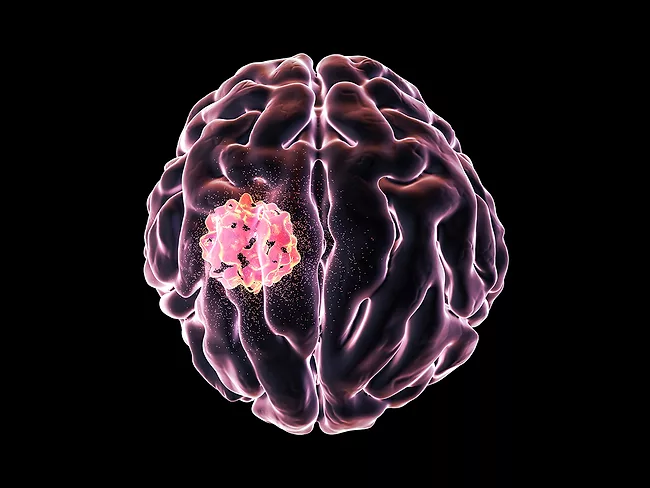
Researchers from Australis Pharmaceuticals Pty Ltd. have presented preclinical data for the microtubule-destabilizing agent AUS-001, which is being evaluated in models of glioblastoma (GBM).

 RSS
RSS