Researchers from Charité University Hospital Berlin and affiliated organizations presented data from a study that linked variants in ANO4 to different types of epilepsy.
Previous studies have found that the effectiveness of vaccines can be increased with the knockdown of HBsAg using a small interfering RNA (siRNA). The efficacy of a bivalent mRNA vaccine in combination with the siRNA AD-66810, which targets the X gene expression in the hepatitis B virus (HBV) genome, was tested in a murine model of AAV/HBV by scientists from Clearb Therapeutics Inc.
Chengdu Easton Biopharmaceuticals Co. Ltd. recently presented findings that highlight the potential anticancer agent D0112-005 as a potent and selective poly (ADP-ribose) polymerase 1 (PARP-1) inhibitor with excellent antitumor efficacy and a good safety profile in vivo.
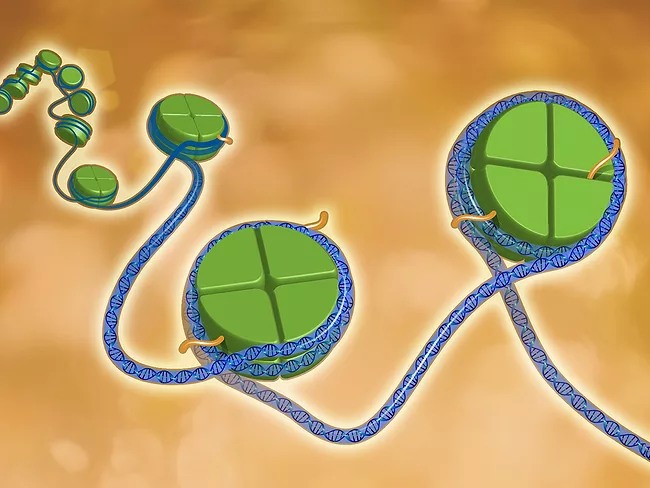
Throughout the 2024 annual congress of the European Association for the Study of the Liver (EASL), held in Milan last week, almost all basic tracks included some reference to epigenetics, or changes to the chromatin that affect how accessible a gene is to the transcription machinery.
In metabolic dysfunction-associated steatohepatitis (MASH) preclinical models, absence of the lipid droplet-associated protein hydroxysteroid 17β dehydrogenase 13 (17β-HSD13) has been identified as protective against liver fibrosis.
Odimma Therapeutics SAS has developed ODI-2001, a new biological from the combination of neoantigen-expressing DNA vector, an anti-CTLA-4 antibody and an attenuated poxvirus with the aim of increasing the immune response against tumors.
Researchers from Septerna Inc. presented the discovery and preclinical characterization of novel parathyroid hormone PTH1 receptor (PTH1R) agonists being developed as a new treatment option against hypoparathyroidism.
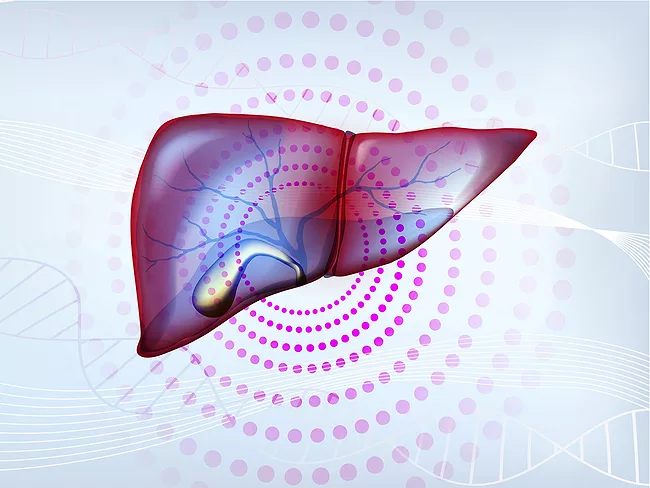
The ongoing European Association for the Study of the Liver 2024 congress in Milan opened yesterday with several presentations on cell plasticity and its role in liver function and regeneration in chronic liver disease situations.
KRAS is the most commonly mutated oncogene in solid tumors. Mutations are present in about 30% of cases overall, more than 95% of pancreatic cancer cases, and about 40% of colon cancer cases.
 RSS
RSS