Pulmonary fibrosis is a lung disease with limited therapeutic options and the development of new therapeutics is a clinical unmet need. Little is known about the role of endoplasmic reticulum stress and unfolded protein response seen in macrophages during pulmonary fibrosis.
Peptide-drug conjugates (PDCs) are emerging as a promising alternative to antibody-drug conjugates (ADCs), offering enhanced tumor penetration and reduced immunogenicity. Carbonic anhydrase IX (CAIX) and epidermal growth factor receptor (EGFR) are both well-validated targets in oncology due to their role in cancer cell survival, invasion and migration.
Chronic obstructive pulmonary disease (COPD) is among the most leading causes of death around the world and there are insufficient treatment options that prevent exacerbations or alter the progression of the disease. COPD is a complex disease with multiple factors driving inflammation, emphysema or small airway remodeling, among others, where interleukin-1 receptor-associated kinase 4 (IRAK-4) plays a crucial role in the pathogenesis of the disease.
STAT6 plays a central role in regulating Th2-driven immune responses. Recent studies have identified gain-of-function mutations in the STAT6 gene that are associated with early-onset, severe allergic diseases. As a result, STAT6 has emerged as a promising therapeutic target in conditions such as asthma, eosinophilic inflammation, food allergies and atopic dermatitis, particularly in cases that are refractory to standard therapies.
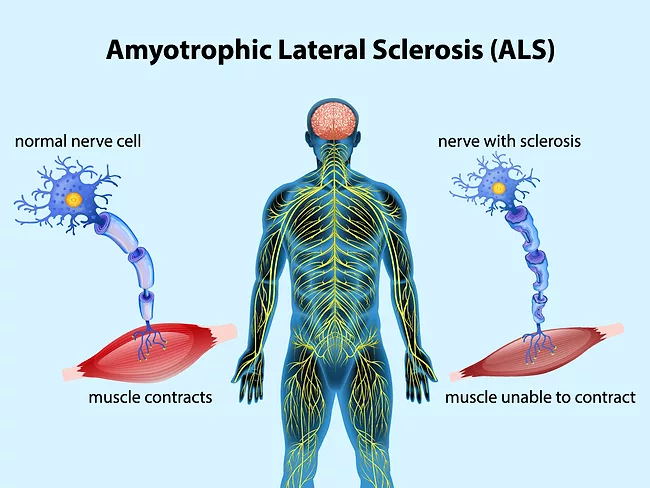
Huidagene Therapeutics Co. Ltd. has presented data for HG-303, a new CRISPR-hfCas12Max-based therapeutic approach that knocks down ATXN2 expression for the treatment of amyotrophic lateral sclerosis (ALS).
Chronic obstructive pulmonary disease (COPD) is a prevalent and heterogeneous respiratory disorder with limited effective treatments. IL-33 and IL-4Rα are key mediators of airway inflammation in COPD and hence represent potential therapeutic targets.
Since the development of the base and prime editing technique by David Liu at the Broad Institute, their applications in biomedicine have continued to grow, reaching 17 clinical trials for base editing and one clinical assay for prime editing. The 28th Annual Meeting of the American Society of Gene & Cell Therapy (ASGCT) marked a historic milestone this year by presenting the first case of treatment with base editors of a baby with a deadly metabolic disease.
Mucosa-associated lymphoid tissue lymphoma translocation protein 1 (MALT1) is an important factor from a complex downstream of Bruton tyrosine kinase (BTK) in the B-cell receptor (BCR) signaling pathway.
CAR T-cell therapy for B-cell malignancies has still to be improved regarding durability, manufacturing complexity or toxicity, among others. Precigen Inc. has presented data regarding the preclinical development and efficacy of PRGN-3008, a PD-1-expression inhibitor cell therapy targeting CD19 that was built in a next-generation ultra CAR T platform.
Minerva Biotechnologies Corp. recently released details on their work to develop a treatment for HER2-positive patients who have acquired resistance to Herceptin (trastuzumab) or Enhertu (trastuzumab-deruxtecan).
 RSS
RSS