KU Leuven and Universität Zürich have discovered new tyrosine-protein phosphatase non-receptor type 1 (PTPN1; PTP-1B) and/or tyrosine-protein phosphatase non-receptor type 2 (PTPN2; TCPTP) inhibitors potentially useful for the treatment of cancer and metabolic diseases.
Pikavation Therapeutics Inc. has patented new phosphatidylinositol 3-kinase α (PI3Kα) inhibitors potentially useful for the treatment of cancer, congenital lipomatous overgrowth, vascular malformations, epidermal naevi and skeletal abnormalities and PIK3CA-related overgrowth spectrum.
To compare the expanding range of CBP/p300-directed cancer therapeutics, Massachusetts General Hospital scientists and collaborators analyzed inhibitors and degraders across a large panel of cancer cell lines.
Researchers from Hainan Medical University and collaborators have demonstrated that PGE2-EP2/EP4-G α s-PKA signaling drove the expansion of immunosuppressive VSIG4-high macrophages and promoted immunotherapy resistance in colorectal cancer (CRC).
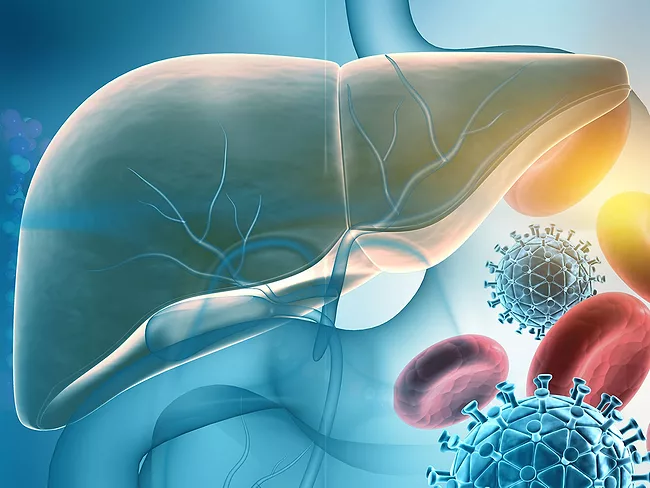
Chronic liver disease and hepatocellular carcinoma (HCC) associated with chronic hepatitis B virus (HBV) are serious health problems in highly endemic areas. Investigators from the National Health Research Institutes have developed a protein-based recombinant vaccine, rHBx-rHBc149, for this unmet medical need.
LTZ Therapeutics Inc.’s LTZ-232 has gained IND clearance from the FDA, enabling initiation of a phase I study in patients with advanced metastatic colorectal cancer and other solid tumors.
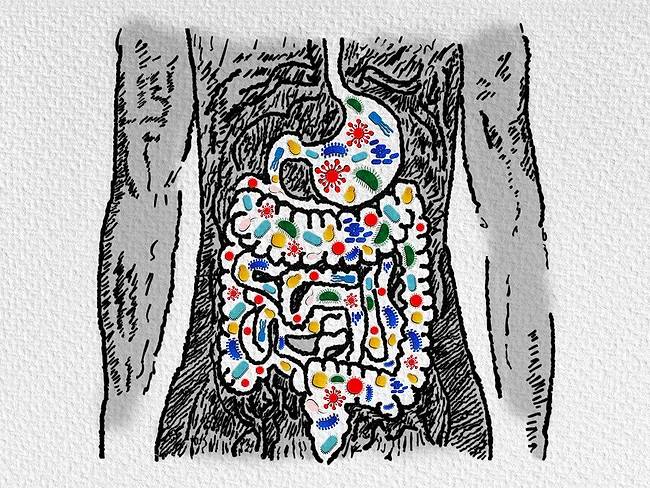
Cancer researchers are increasingly turning to the microbiome to understand why some patients respond well to treatment while others face severe complications. Gut microbial communities shift during intensive therapies such as bone marrow transplantation, and those changes influence infection risk, immune recovery and long‑term survival. New advances in microbial sequencing and engineering redefine this community as a measurable clinical parameter that can be monitored, modeled, and even therapeutically reshaped to improve outcomes in oncology and other conditions.
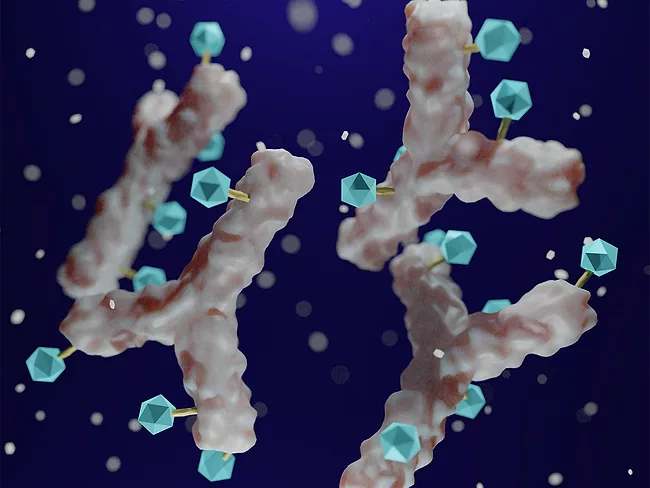
Novartis AG is to pay $1.1 billion up front to acquire Myricx Bio Ltd., a preclinical-stage antibody-drug conjugate (ADC) specialist that is advancing a novel and more potent class of payload. With the first two programs due to enter clinical development before the end of the year, the Swiss pharma also will pay up to $400 million more in potential milestones. The centerpiece of the deal is London-based Myricx’s N-myristoyltransferase inhibitors, which in preclinical testing have prompted complete and durable tumor regression at well-tolerated doses in a range of solid tumors.

 RSS
RSS