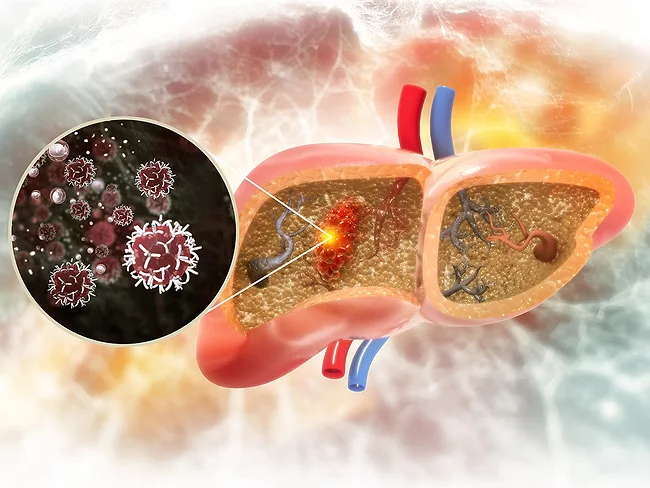
Ovarian clear-cell carcinoma is a cancer characterized by inherent resistance to platinum-based therapies and lacks an effective targeted therapeutic approach. On the other hand, chaperone-mediated autophagy is a lysosomal degradation mechanism to stabilize cellular homeostasis during stressful scenarios, but its role in modulating platinum response in ovarian cancer is not well understood.
Neuroblastoma (NB) is a rare but aggressive pediatric cancer, the third most-common in children and the most frequent in babies. Researchers from the U.S. National Cancer Institute and collaborators have reported findings from their study investigating the use of [67Cu]Cu-LLP2A as radiopharmaceutical therapy before CAR T-cell treatment in preclinical models of NB.
Researchers in Korea have investigated the interaction of SET-domain containing 1B (SET1B) with other proteins in vitro, as well as the impact of SET1B depletion in hepatocellular carcinoma cell lines.
Astrazeneca plc has returned to China’s CSPC Pharmaceutical Group Ltd. for another discovery collaboration, this time in a deal worth up to $1.77 billion to use CSPC’s siRNA drug discovery platform and extrahepatic targeted delivery technology to develop small nucleic acid drug candidates.
To Ivan Oransky, China’s paper-mill problem is best understood as an incentives story. “This is literally organized crime,” the Retraction Watch co-founder told BioWorld. “Follow the money. When there’s an opportunity to make money, they will find it, and if your whole career is based on how often you publish and what journals you publish in and how often you’re cited, it’s not surprising that leads to bad behavior.”
Beijing Avistone Pharmaceuticals Biotechnology Co. Ltd. has reported new GTPase KRAS mutant inhibitors potentially useful for the treatment of cancer, immunological and inflammatory disorders.
The University of Edinburgh has disclosed new benzoxazol mammalian target of rapamycin (mTOR; FRAP1) inhibitors potentially useful for the treatment of cancer, autoimmune, metabolic diseases, fibrosis, parasitic infections, genetic, inflammatory and neurological disorders.
Focal adhesion kinase (FAK), a key mediator of cell adhesion and migration, is frequently upregulated in glioblastoma (GBM), where its activity has been associated with increased tumor invasiveness and disease aggressiveness.
The compound potently inhibited PGK1 in vitro, producing dose-dependent suppression in both a direct PGK1 inhibition assay and a PGK1 glycolytic activity assay.
 RSS
RSS