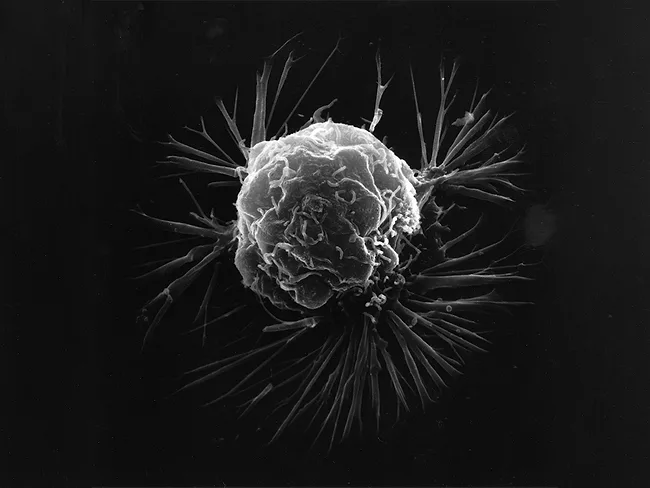
Pancreatic cancer is among the most aggressive cancer types, with survival rates being very low and current treatment being quite ineffective. To address this unmet medical need, HCW Biologics Inc. has developed and presented preclinical data for their T-cell engager approach – HCW11-018.
Raqualia Pharma Inc.’s Fimecs Inc. subsidiary has agreed with Astellas Pharma Inc. to add two new targets under their ongoing joint research. They entered into an agreement in 2022 to conduct joint research on targeted protein degradation.
M-3554 is an antibody-drug conjugate (ADC) targeting GD2; it has shown strong antitumor activity in neuroblastoma xenograft models and has been engineered to reduce anti-GD2 antibody-associated pain.
Vivace Therapeutics Inc. reported preclinical efficacy data of VT-3989, a TEAD inhibitor, in in vitro and in vivo models of aggressive meningioma. VT-3989 is in early clinical development for the treatment of patients with advanced solid tumors.
Hansoh Bio LLC, Jiangsu Hansoh Pharmaceutical Group Co. Ltd. and Shanghai Hansoh Biomedical Co. Ltd. have divulged transcriptional coactivator YAP1/transcriptional enhancer factor (TEAD) interaction inhibitors reported to be useful for the treatment of cancer.
Gluetacs Therapeutics (Shanghai) Co. Ltd. has synthesized molecular glue degraders comprising cereblon (CRBN) binding agents and protein degradation moieties reported to be useful for the treatment of cancer, infections, autoimmune diseases, anemia, transplant rejection, diabetes, cardiovascular disorders and inflammatory disorders, among others.
Blueprint Medicines Corp. has disclosed PROTAC compounds comprising an E3 ubiquitin ligase binding moiety covalently linked to a cyclin-dependent kinase 4 (CDK4)-targeting moiety potentially useful for the treatment of cancer.
In an effort to develop more effective estrogen receptor α (ERα) inhibitors, researchers at Nanjing University of Chinese Medicine and collaborators aimed to develop a proteolysis targeting chimera (PROTAC) against the receptor.
Researchers from Northeast Agricultural University and Jiangsu Kanion Pharmaceutical Co. Ltd. aimed to improve the oncolytic effect of existing Newcastle disease virus (NDV) vectors using engineering strategies to accelerate their clinical translation.
 RSS
RSS