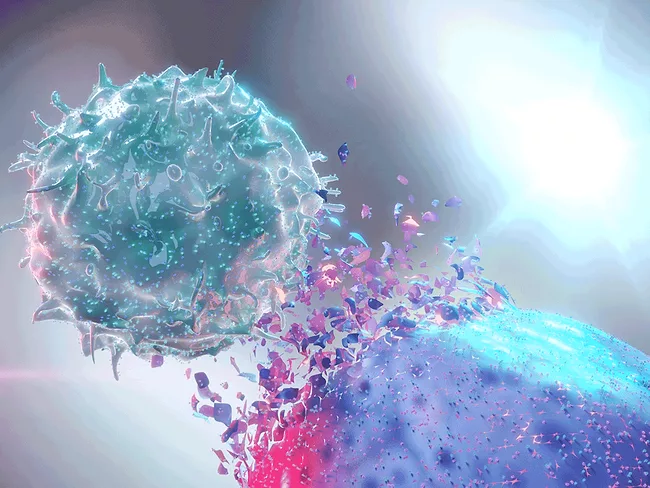
Vycellix Inc. has successfully completed preclinical development for its universal cell engineering platform (VY-UC) and will now seek clinical trial clearance in Sweden to begin a phase I study of VNK-101, an allogeneic natural killer (NK) cell therapy engineered with VY-UC for relapsed or refractory multiple myeloma.
Previous findings have shown that the bisteric mTORC1 inhibitor Rapalink-1 exerts superior efficacy than the parent inhibitors rapamycin and sapanisertib in orthotopic xenograft models of glioblastoma. The bitopic clinical derivative of this compound is RMC-5552 from Revolution Medicines Inc., which is currently in phase I/II clinical studies for glioblastoma.
Shenzhen Forward Pharmaceuticals Co. Ltd. has described fibroblast growth factor receptor 2 (FGFR2) inhibitors reported to be useful for the treatment of stomach cancer and intrahepatic cholangiocarcinoma.
Shanghai Qilu Pharmaceutical Research and Development Centre Ltd. has divulged cellular tumor antigen p53 (TP53) (Tyr220Cys mutant) stabilizers reported to be useful for the treatment of cancer.
Theratechnologies Inc. and Transfert Plus SEC have disclosed peptide-drug conjugates comprising a maytansinoid moiety linked to peptides targeting the sortilin (neurotensin NTR3; NT3; Gp95) receptor through a protease-cleavable linker reported to be useful for the treatment of cancer.
Neuroblastoma is a pediatric extracranial solid tumor arising from the sympathetic nervous system. Disialoganglioside GD2-based therapies, including CAR T cells and other immunotherapies, have shown some success. However, GD2 is also expressed on pain fibers and other neurons, raising safety concerns, and relapses after anti-GD2 therapy are frequent.
Glioblastomas (GBMs) are the most prevalent and highly lethal primary brain tumors and currently rely on limited treatment options. Chimeric antigen receptor (CAR) T cells targeting cell-surface antigens have shown promise in GBM patients, inducing transient tumor regression. However, the lack of known tumor-restricted antigens in GBM limits further improvement of their therapeutic efficacy.
In a study published in Molecular Therapy, researchers from H. Lee Moffitt Cancer Center and Research Institute and the University of South Florida developed an E6-targeting proteolysis targeting chimera (PROTAC) that inhibits the growth of human papillomavirus (HPV)-positive tumors. HPV is the most prevalent sexually transmitted infection worldwide, with persistent infections causing up to six different types of cancer.
Abion Inc. has presented data for ABN-202, a hyperglycosylated interferon (IFN) β mutein fused to a monoclonal antibody targeting tumor-associated calcium signal transducer 2 (TROP2) that retains activity under acidic conditions.
 RSS
RSS