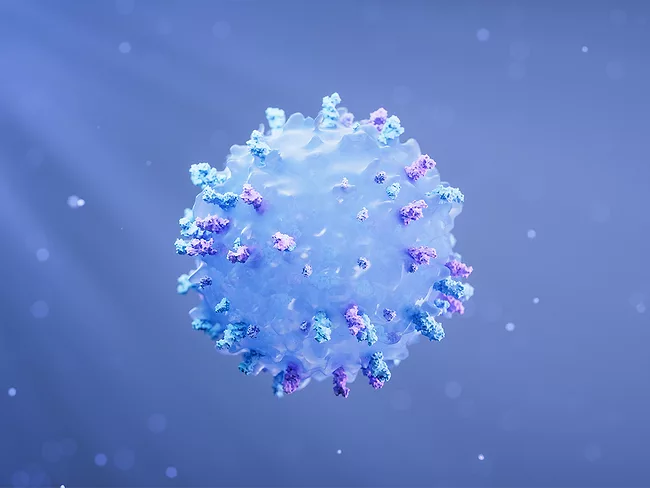
Researchers from the University of California San Francisco (UCSF) have successfully replicated the design of regulatory T cells, achieving local targeted immune suppression and protection from CAR T-cell cytotoxicity. Many of the treatments used so far in the context of inflammatory and autoimmune disorders lead to systemic immunosuppression. In this sense, limiting immunosuppression locally to targeted tissues may help overcome systemic toxicity.
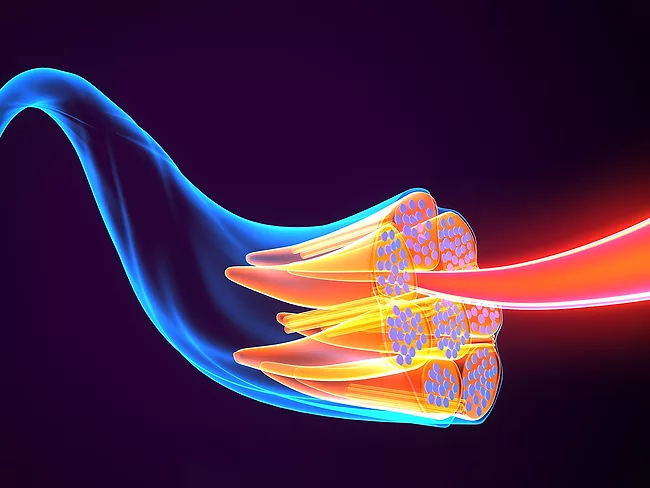
At the Breakthroughs in Muscular Dystrophy special meeting held in Chicago Nov. 19-20, 2024, and organized by the American Society of Gene & Cell Therapy (ASGCT), multiple interventions at the RNA level were among the approaches that were presented to fight muscular dystrophies.
Since the isolation of the gene that causes Duchenne muscular dystrophy (DMD), scientists have progressed in understanding the mechanisms that lead to muscular diseases that can be evident from the early stages of childhood. This has led to the development of diagnostics and therapeutics, some approved by the FDA.
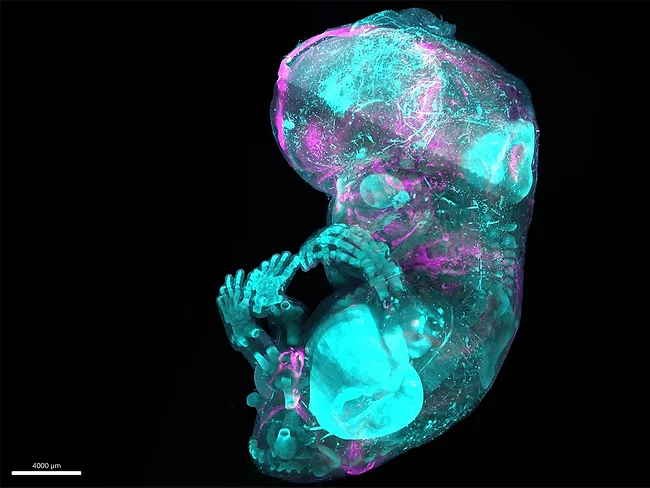
An international consortium of thousands of scientists is creating the Human Cell Atlas, a three-dimensional map of all the cells in the body. The goal is to understand all the cells that make up human tissues, organs and systems, which will enable multiple medical applications. This collection of cell maps is openly available for navigation at single-cell resolution, identified through omics analyses that reveal the tridimensional distribution of each cell.
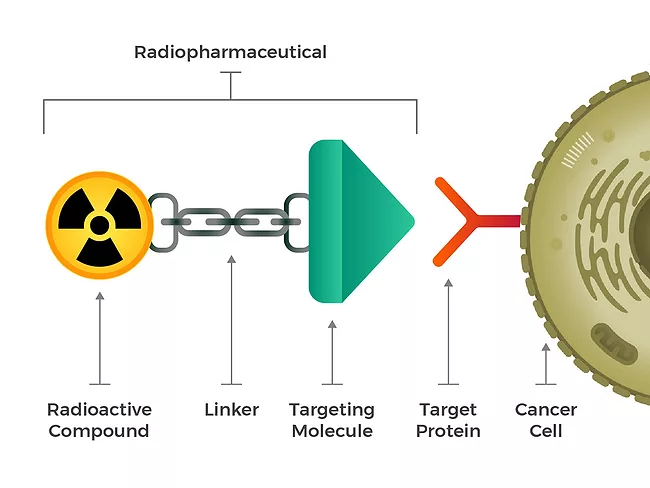
A year out from Leqembi’s approval for Alzheimer’s disease (AD), ongoing research coupled with artificial intelligence is advancing both radiopharmaceuticals and small-molecule drugs for AD diagnostics and treatment, speakers at the 2024 KoNECT-MOHW-MFDS conference said.
Gene editing strategies, from epigenetic engineering to cell reprogramming and genetic vaccines, are accelerating the development of new therapies that awaken the immune system to treat cancer, as presented last month in Rome at the 31st Annual Congress of the European Society of Gene and Cell Therapy (ESGCT). Some of these advances are taking advantage of the conditions of the tumor microenvironment, where cancer cells coexist with immune cells, microorganisms and blood vessels.
David Baker, Demis Hassabis and John Jumper share the 2024 Nobel Prize in Chemistry for their contributions to the science of protein structure. David Baker was awarded half the prize “for computational protein design,” according to the Royal Swedish Academy of Sciences. Hassabis and Jumper shared the other half “for protein structure prediction.”
David Baker, Demis Hassabis and John Jumper share the 2024 Nobel Prize in Chemistry for their contributions to the science of protein structure. David Baker was awarded half the prize “for computational protein design,” according to the Royal Swedish Academy of Sciences. Hassabis and Jumper shared the other half “for protein structure prediction.”
David Baker, director of the Institute for Protein Design at the University of Washington School of Medicine, is a pioneer in protein design. His contributions have been recognized with countless awards, and now, a place among the 2024 Clarivate Citation Laureates. Baker’s lab has developed several open-source software applications for nanotechnology and biomedicine. With these methods, scientists build new proteins that bind to drug targets and block them or activate cellular signals.
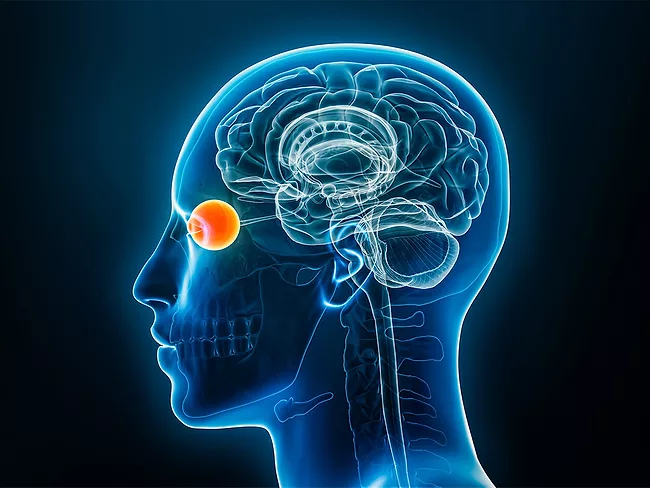
A novel gene therapy that leads to cellular rejuvenation could restore vision after non-arteritic anterior ischemic optic neuropathy (NAION) and glaucoma. The technique is based on a reprogramming process that reverses the epigenetic DNA alterations caused by aging. Preclinical studies in glaucoma mice and nonhuman primates (NHP) models for this stroke-like disorder that affects the eye, showed an improvement of vision and restoration of the damaged axons of the optic nerve.

 RSS
RSS