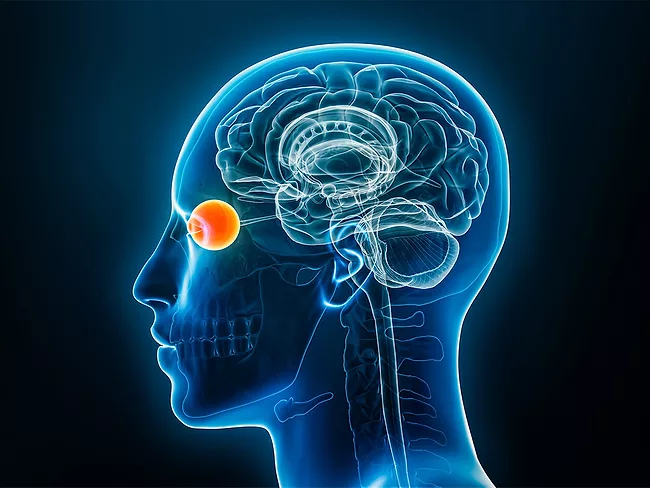
A novel gene therapy that leads to cellular rejuvenation could restore vision after non-arteritic anterior ischemic optic neuropathy (NAION) and glaucoma. The technique is based on a reprogramming process that reverses the epigenetic DNA alterations caused by aging. Preclinical studies in glaucoma mice and nonhuman primates (NHP) models for this stroke-like disorder that affects the eye, showed an improvement of vision and restoration of the damaged axons of the optic nerve.
A strategy inspired by deficient HIV replication could be used as a treatment to reduce viral load in patients living with HIV and help control the pandemic of the retrovirus. Scientists from the University of California San Francisco want to use HIV against itself by using a parasitic version of the pathogen.
Infection or cure? Scientists from Tel Aviv University and the University of Glasgow genetically modified the Toxoplasma gondii to bring a protein inside neurons. The novelty of using a protozoan that can travel from the gut to parasitize the CNS contrasts with the possibility of causing a disease. The scientists are already working on how to avoid it.
Patients with congenital hearing loss could benefit from a gene therapy currently in development. Although there are approaches that could reverse the process in children and young people before it becomes severe, so far, adults do not have any treatment that prevents the progressive deterioration of auditory sensory cells caused by this disease.
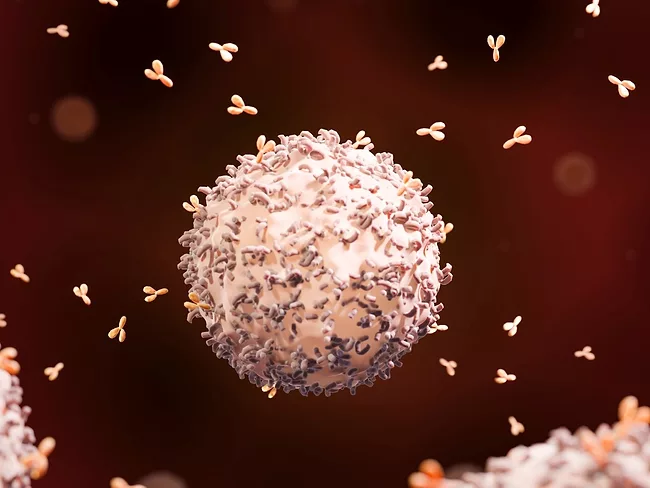
Scientists at the University of Washington have engineered human plasma B cells modified to express long-lasting bispecific antibodies that could be used to treat leukemia without requiring continuous dosing.
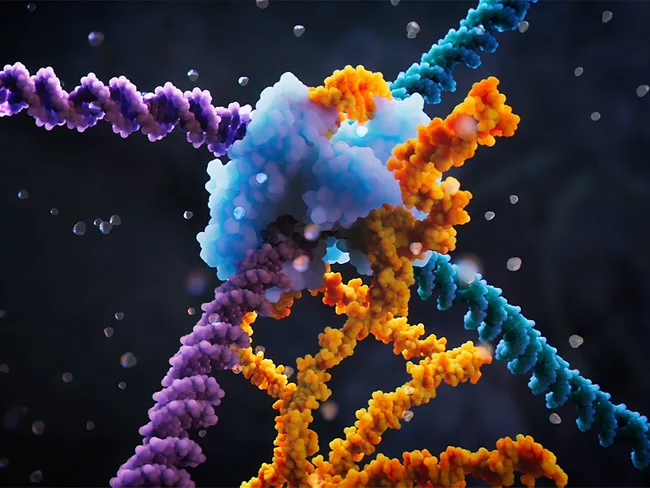
New single-step genome editing techniques that enable the insertion, inversion or deletion of long DNA sequences at specified genome positions have been demonstrated in bacteria.
The success of a vaccine, a gene editing design for an untreated disease, or achieving cell engraftment after several attempts, comes from years of accumulated basic science studies, thousands of experiments, and clinical trials. Innumerable steps precede hits in gene and cell therapies before a first-time revelation, and most of them are failures at the time. At the 27th Annual Meeting of the American Society of Gene & Cell Therapy (ASGCT) in Baltimore last week, several groups of scientists presented achievements that years ago looked impossible.
“Prenatal therapies are the next disruptive technologies in health care, which will advance and shape the future of patient care in the 21st century,” said Graça Almeida-Porada, a professor at the Fetal Research and Therapy Center of the Wake Forest Institute for Regenerative Medicine in Winston-Salem, North Carolina. At the American Society of Gene & Cell Therapy (ASGCT) annual meeting in Baltimore on May 5, 2024, Almeida-Porada introduced the first presentation of the scientific symposium “Prospects for Prenatal Gene and Cell Therapy.”
Japanese researchers have transplanted human induced pluripotent stem cells (iPSCs) in a primate model of myocardial infarction and were able to restore heart muscle and function in monkeys. Developed by Tokyo-based Heartseed Inc., the grafted iPSCs consist of clusters of purified heart muscle cells (cardiomyocyte spheroids) that are injected into the myocardial layer of the heart. Published in Circulation on April 26, 2024, the study showed that the cardiomyocyte spheroids survived long term and showed improved contractile function with low occurrence of post-transplant arrhythmias.
Deep learning algorithms have enabled the discovery of molecular structures of interest in biomedicine to design treatments against aggressive diseases such as idiopathic pulmonary fibrosis (IPF). Scientists at Insilico Medicine Inc. selected a target for IPF using artificial intelligence (AI), then designed an inhibitor to block it, and tested it in vitro, in vivo, and in clinical trials.
 RSS
RSS