Prospect Therapeutics Inc.’s PSTA-2413 is a newly developed oral pan-RAS inhibitor that demonstrates selectivity over wild-type KRAS, along with strong in vitro potency and in vivo antitumor efficacy.
Loss of FOCAD in cells impairs normal mRNA surveillance, creating a dependency on the HBS1L/PELO complex for ribosome rescue and identifying HBS1L as a potential synthetic lethal target and therapeutic vulnerability.
CXC chemokine receptor 4 (CXCR4) is a receptor overexpressed in several tumor types and associated with tumor aggressiveness and risk of metastasis, resistance and recurrence. A novel PET radiopharmaceutical tracer and CXCR4 ligand, [68Ga]NOTA-R-54, was developed and tested for potential use in the treatment of lung cancer.
Recent evidence suggests the gastrin/cholecystokinin-2 receptor (CCK2R) is a potential target for radiolabeled theranostics in cancer, but the stability of minigastrin analogues remains unresolved. Researchers from the National University of Singapore aimed to develop a peptide with improved tumor uptake and prolonged retention in CCK2R+ cancers.
Researchers from Opko Health Inc. and Entera Bio Ltd. recently presented preclinical pharmacokinetic data on OPK-8801003, an oral GLP-2 analogue developed for the treatment of short bowel syndrome.
Researchers from Cardiff University have discovered a new class of highly potent and selective inhibitors targeting the LIM domain kinases (LIMKs), a family of enzymes that play a critical role in regulating actin filament turnover. This turnover is involved in the cytoskeletal remodeling, proliferation and migration.
At last week’s American Chemical Society meeting, Novartis AG presented the discovery of IID-432, a highly efficacious and safe inhibitor of Trypanosoma cruzi topoisomerase 2 (Top2), offering a short-duration curative treatment for Chagas disease.
Researchers from Arkansas State University synthesized a library of thiazole derivatives, and these compounds were subsequently screened for their antibacterial activity both in vitro and in vivo.
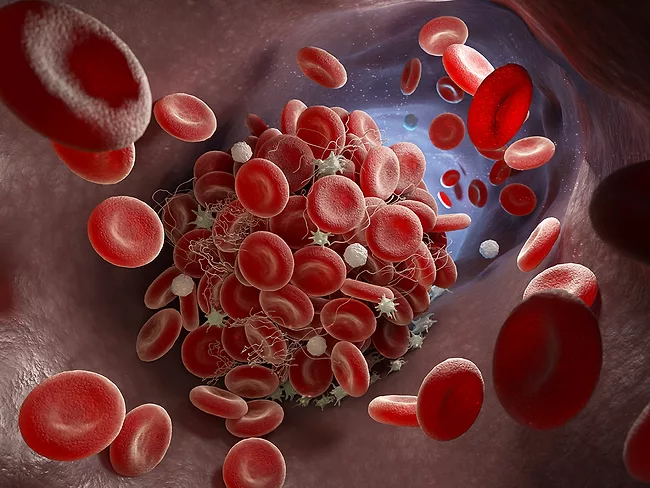
Endoplasmic reticulum oxidoreductase 1 (ERO1) has traditionally been associated with proper protein folding in the endoplasmic reticulum, but it has recently been linked to platelet activation and aggregation in arterial thrombosis and ischemic stroke.
The sialyltransferase ST6GAL1 is upregulated in several types of cancer and its expression is particularly elevated in triple-negative breast cancer, which is extremely aggressive and associated with very poor prognosis.

 RSS
RSS