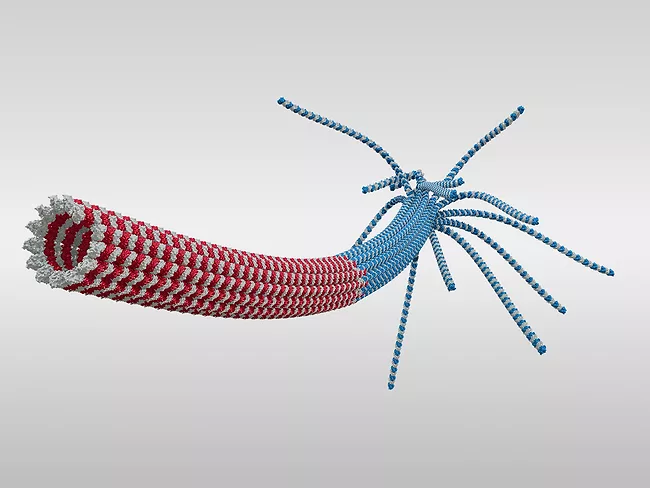
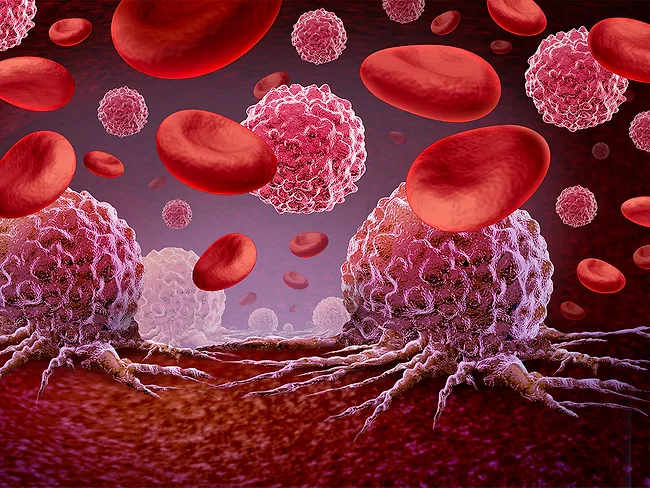
Researchers from Syngenta AG and collaborators reported the preclinical characterization of CHNQD-01522, a microtubule-targeting agent designed based on the marine natural product penipanoid C, in hepatocellular carcinoma (HCC) models.
Liver receptor homolog-1 (LRH-1) is a nuclear receptor that promotes the transcription of genes encoding key steroidogenic enzymes, thereby facilitating de novo androgen biosynthesis within the prostate tumor microenvironment. Researchers from Qilu Pharmaceutical Co. Ltd. reported the discovery and preclinical characterization of a series of novel LRH-1 antagonists.
In both acute myeloid leukemia (AML) and synovial sarcoma (SS), targeting BRD9 disrupts oncogenic transcriptional programs, including MYC, leading to reduced proliferation and induction of apoptosis. Researchers from Pamplona Therapeutics (Shenzhen) Co. Ltd. reported the discovery and preclinical efficacy profile of XYD-270, a BRD9-targeting PROTAC, in models of SS and AML.
Researchers from the Chinese Academy of Sciences reported the design and preclinical characterization of YCH-3971, a selective PARP1 inhibitor developed for the treatment of BRCA-mutated tumors.
Researchers from GSK plc and collaborators described the identification of MMV-1581361, a PfATP4 inhibitor, and its efficacy in models of malaria. The compound originates from MMV-020136, following structure-activity relationship studies to optimize antimalarial activity.
Atopic dermatitis (AD) is an inflammatory skin disease accompanied by pruritus, for which IL-13 and IL-31 are clinically validated targets. Earendil Labs Inc. has developed a bispecific antibody targeting both IL-13 and IL-31, HX-16108, with an extended half-life.
Researchers from Specally (Wuhan) Life Technology Co. Ltd. have disclosed the discovery and preclinical profile of WWZ-11-098, a non-palbociclib-based, selective cyclin-dependent kinase 6 (CDK6) degrader in models of leukemia.
Antimicrobial resistance (AMR) is increasingly compromising the effectiveness of essential antibiotics, resulting in higher global mortality and morbidity rates. Despite this urgent need, few new antibiotics, particularly against gram-negative bacteria, are in development.
Fibroblast growth factor receptor 2 (FGFR2) is a transmembrane tyrosine kinase that regulates signaling pathways controlling cell survival and proliferation. Dysregulation of FGFR2, through amplification or activating mutations, contributes to tumor development, making it an attractive target for therapeutic intervention in oncology.
 RSS
RSS