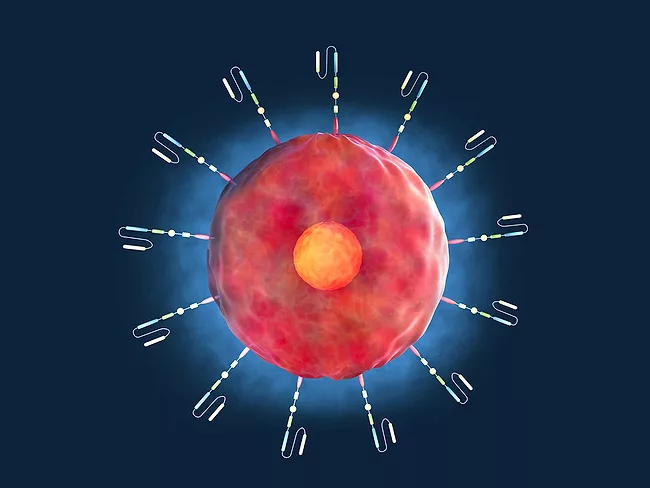
As the many challenges facing cell therapies are being addressed, the CAR T field continues to evolve beyond its original design of T cells engineered to target hematological malignancies. During the 32nd Annual Congress of the European Society of Gene and Cell Therapy (ESGCT), held in Seville Oct. 7-10, several studies showed how this technology is being redefined as programmable and adaptable immune cells with expanded functional versatility.
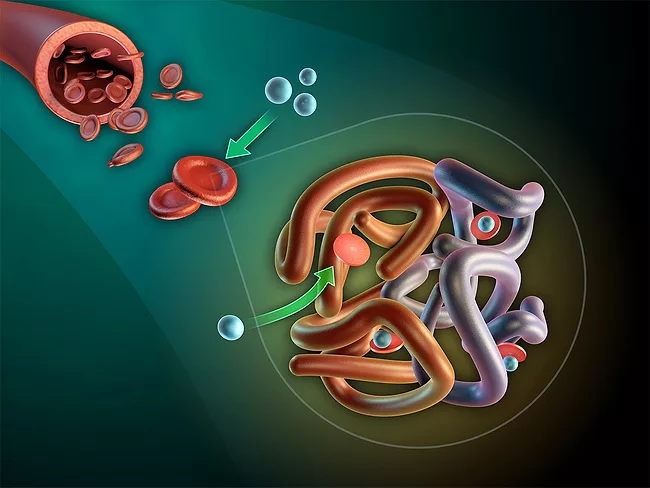
Genetic mutations are the primary cause of most rare diseases. Although each condition affects a small fraction of the population, the global impact is significant, with an estimated 300 million individuals affected worldwide. A large proportion of pathogenic missense variants – estimated at 40%-60% – cause rare diseases by impairing protein stability. This underscores protein restoration as a promising therapeutic strategy.
Generating gametes from nonreproductive tissues could help overcome infertility. Previous studies have successfully transformed stem cells into viable oocytes through cellular reprogramming. Scientists at Oregon Health & Science University (OHSU) developed a method to derive them from skin cells via somatic cell nuclear transfer (SCNT), unlocking a mechanism that blends mitosis and meiosis. Now, the researchers have taken another step forward by generating fertilizable eggs from human skin cells.
Idorsia Pharmaceuticals Ltd. has divulged macrocyclic compounds acting as cystic fibrosis transmembrane conductance regulator (CFTR) modulators reported to be useful for the treatment of cystic fibrosis.
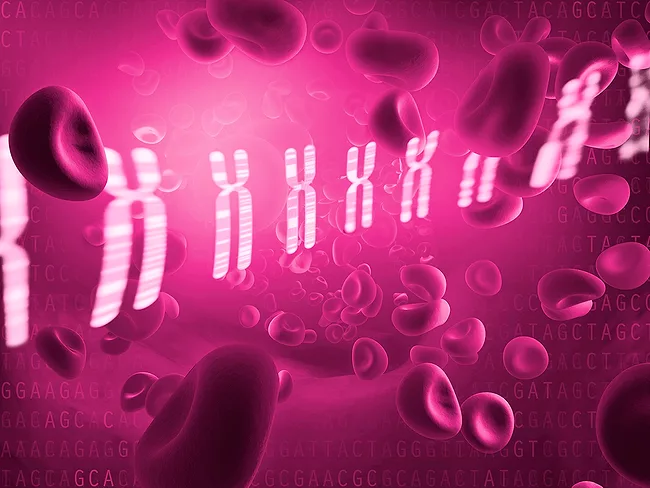
Sickle cell disease (SCD) and transfusion-dependent β-thalassemia (TDT) are severe monogenic blood disorders caused by mutations in the β-globin gene (HBB), resulting in abnormal or insufficient production of adult hemoglobin (HbA). Among emerging therapeutic approaches, the reactivation of fetal hemoglobin (HbF) represents one of the most promising strategies for both conditions.
The FDA has awarded orphan drug designation to Cure Rare Disease’s CRD-003 for the treatment of limb-girdle muscular dystrophy type R9 (LGMD2i/R9), a congenital muscular dystrophy caused by biallelic mutations in the FKRP gene.
Experts agree that the earlier Alzheimer's disease is detected, the sooner action can be taken. And so, the key to preventing deterioration is identifying the most effective early biomarkers, those that can spot the disorder and help halt its progression. Recent advances in the field have pushed a new era of early detection through blood-based biomarkers and personalized medicine strategies based on each patient’s genetic, immunological and clinical profile.
Genfit SA is discontinuing its VS-01 program in acute-on-chronic liver failure (ACLF), and has decided to reprioritize development of VS-01 for urea cycle disorder.
Experts agree that the earlier Alzheimer's disease is detected, the sooner action can be taken. And so, the key to preventing deterioration is identifying the most effective early biomarkers, those that can spot the disorder and help halt its progression. Recent advances in the field have pushed a new era of early detection through blood-based biomarkers and personalized medicine strategies based on each patient’s genetic, immunological and clinical profile.

 RSS
RSS