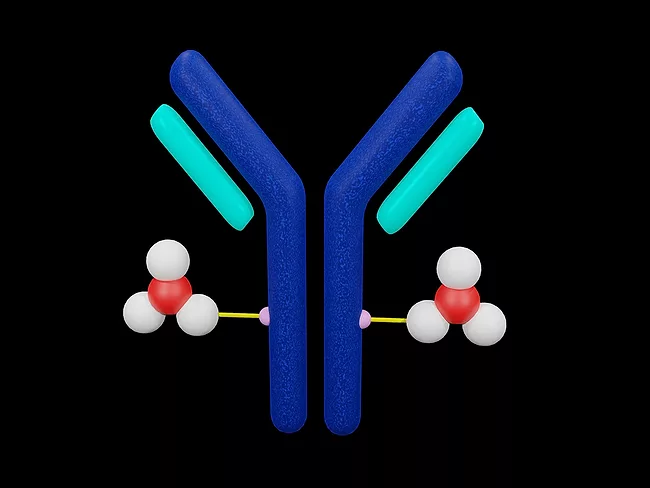
Hadasit Medical Research Services and Development Ltd. and BIRAD – Research & Development Company Ltd. have inked a development deal with Immix Biopharma Inc. for tissue specific therapeutics based on their jointly developed anti-B-cell maturation antigen CAR T cells targeting plasma cell technology.
Eli Lilly and Co., through its wholly owned subsidiary Prevail Therapeutics Inc., is delving more deeply into gene therapies. In a new collaboration, Prevail will use privately held Capsida Biotherapeutics Inc.’s adeno-associated virus engineering platform, coupling the tech with Prevail’s gene therapies to target causes of CNS diseases.
Belharra Therapeutics Inc., an early stage firm which is pioneering a new approach to chemoproteomics, has already found an influential backer for the distinctive way it systematically probes the interactions between small-molecule ligands and the proteins to which they bind.
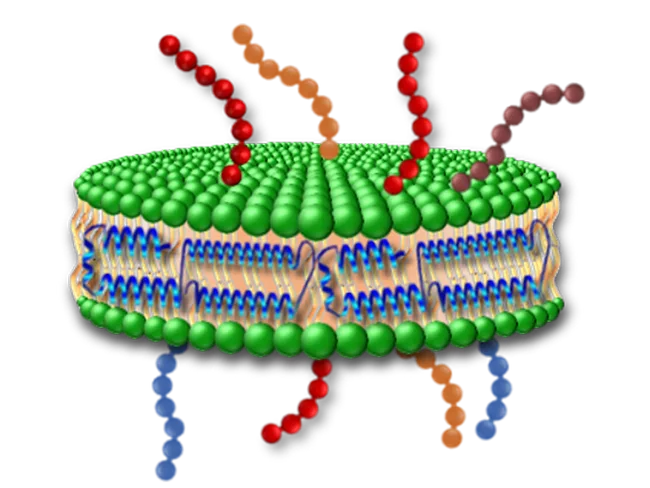
In one of the first large preclinical deals of 2023, Evoq Therapeutics Inc. is licensing for up to $685.5 million its Nanodisc technology to Gilead Sciences Inc. to develop new rheumatoid arthritis and lupus treatments. The potential payout includes up-front fees, an option exercise and milestone payments across both programs. Evoq also could receive tiered royalties on any sales that result.
Investment in the fourth quarter of 2022 was dismal in Asia Pacific, as the global venture community focused on preserving capital. And the region faced other challenges throughout the year, as leaders in Australia and across Asia became acutely aware of the vulnerabilities in their supply chains. But the year also saw some big deals and collaborations involving companies across Asia Pacific, along with advances in regenerative and digital medicine.
South Korea’s Legochem Bioscience Inc. inked a licensing deal with Amgen Inc. on Dec. 23 for five undisclosed antibody drug conjugate (ADC) targets worth up to ₩1.6 trillion (US$1.24 billion). Under the terms of the deal, Legochem will out-license global rights to Amgen for five undisclosed ADC targets and will receive an undisclosed up-front payment as well as development milestones and sales royalties. The companies did not disclose additional details.
Two deals for antibody-drug conjugates inked since May between Merck & Co. Inc. and Sichuan Kelun-Biotech Pharmaceutical Co. Ltd. have blossomed eight months later into the year’s biggest agreement, one that could bring Kelun-Biotech up to $9.3 billion in development, regulatory and sales milestones.
Shares in Dutch RNA editing specialist Proqr Therapeutics NV (NASDAQ:PRQR) surged by as much as 88% Dec. 22 news that Eli Lilly and Co. is substantially expanding an existing preclinical alliance. It is paying Proqr an initial $75 million, which consists of an up-front payment and equity investment, a potential $50 million option fee should it decide to widen the scope of the partnership even further, and up to $2.5 billion in new research, development, and commercialization milestones. Proqr would also receive royalties on any resulting product sales.
South Korean biotech Pinotbio Co. Ltd. inked a $250 million (₩320 billion) licensing deal with Princeton, N.J.-based Conjugatebio Inc. to develop 10 antibody-drug conjugate (ADC) targets with Pinotbio’s ADC platform technology. The deal announced on Dec. 21 adds to a previous agreement between the two companies last year. Pinotbio and Conjugate first teamed up to discover and develop five ADC targets in June 2022.
Pfizer Inc. has acquired rights to respiratory syncytial virus (RSV) drug candidate sisunatovir from Lianbio Co. Ltd. in a deal worth up to $155 million covering development and commercialization rights in mainland China, Hong Kong, Macau and Singapore. With this agreement, Pfizer now holds global development and commercialization rights to the candidate, an orally administered fusion inhibitor is designed to block RSV replication by inhibiting F-mediated fusion with the host cell.

 RSS
RSS