Regulatory snapshots, including global drug submissions and approvals, and other regulatory decisions and designations: Chiesi, Eli Lilly, Johnson & Johnson, Protalix, Sanofi, Ultragenyx, Unicycive.
Biopharma happenings, including deals and partnerships, and other news in brief: Alps, Amgen, Astrazeneca, Bayer, IO Biotech, Kyowa, Moderna, Poxel, Recordati, Regeneron, Samsung Bioepsis.
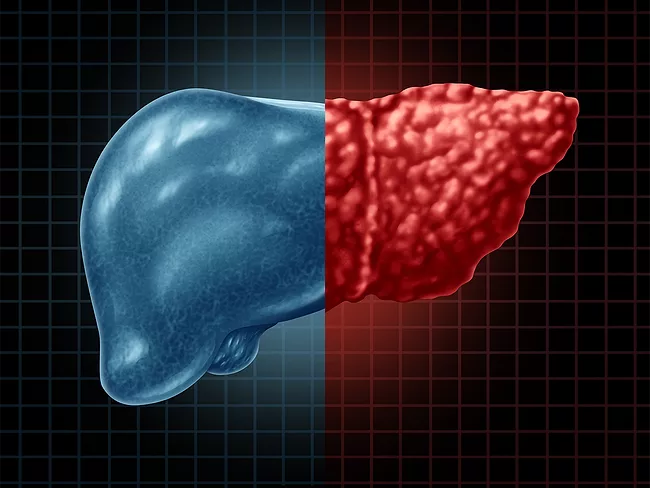
As the march toward a new therapy continues in metabolic dysfunction-associated steatohepatitis (MASH), new approaches are drawing Wall Street’s attention. Among them is Inventiva SA’s pan-PPAR approach.
The U.S. FDA is now accepting requests from biopharma companies to participate in its new Precheck pilot program, which is intended to make it faster and easier for companies to relocate their prescription drug manufacturing to the U.S.
Sciwind Biosciences Co. Ltd. said Jan. 30 it won Chinese approval for self-developed glucagon-like peptide-1 (GLP-1) receptor agonist, ecnoglutide (Xianyida), to treat adults with type 2 diabetes.
More than four years after a phase II/III trial with Sanofi SA’s oral glucosylceramide synthase inhibitor venglustat was stopped for lack of benefit in autosomal dominant polycystic kidney disease, the company rolled out mixed phase III data from two more efforts.
An AI-based software developed by Screenpoint Medical BV could help detect breast cancers earlier and reduce the number of cancers that appear between routine screenings. In a trial of over 100,000 women, the use of the company’s Transpara Detection system resulted in a 12% reduction in the rate of interval cancers, compared to standard mammography screening. The results from the Mammography Screening with Artificial Intelligence study was published in the Lancet.

 RSS
RSS