The range of effects caused by rhinoviruses – the pathogens responsible for the common cold – motivated scientists at Yale University to study the human nasal epithelium and uncover a previously undescribed defense mechanism. The interferon-mediated protective response in these cells can limit infection, whereas a maladaptive response tends to worsen it. Based on these findings, the researchers have identified potential therapeutic targets to reduce inflammation associated with rhinovirus infection.
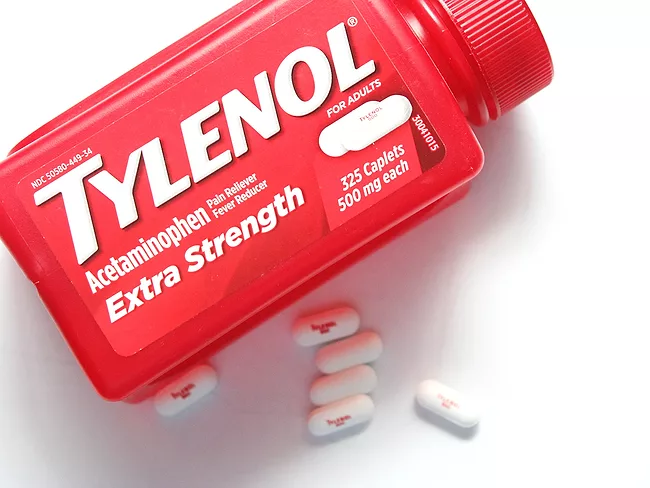
A new systematic review and meta-analysis of studies looking at a possible association between Tylenol (acetaminophen) use in pregnancy and neurodevelopmental disorders in children concludes there is no evidence of any meaningful risk. The study was carried out by researchers in the U.K., Italy, Sweden and Norway, in response to U.S. Secretary of Health and Human Services Robert Kennedy saying last September that there is a link. Unless medically necessary, it is “irresponsible” to take Tylenol during pregnancy, Kennedy said.
Regulatory snapshots, including global drug submissions and approvals, and other regulatory decisions and designations: Adolore, Eli Lilly, Sanofi, Santhera.
Biopharma happenings, including deals and partnerships, and other news in brief: Agenus, AFT, Alfasigma, Alveus, Eagle, Innovative Molecules, LXO, Stablepharma, Zydus.
The New York attorney general’s office has filed suit against the former CEO of Emergent Biosolutions Inc., alleging insider trading, while at the same time announcing a settlement with the company, which agreed to pay $900,000 in penalties for approving the illegal trading plan. The lawsuit stems from reports of vaccine contamination at the company’s manufacturing plant during the height of the COVID pandemic.
After only three $1 billion-plus biopharma deals in November, December saw 14 blockbuster deals worth a total of $21.92 billion, including four deals worth more than $2 billion.
 RSS
RSS