Biopharma and med-tech happenings, including deals and partnerships, and other news in brief: Adial, Celltype, Cirna, Congruence, Corstasis, Curie.Bio, Esperion, Forendos, Hepion, Kdventures, Molteni, Ono, Organon, Secarna, Senhwa, Sinopia.
Clinical updates for biopharma and med tech, including data readouts and publications: Bioaffinity, Biocardia, Chiesi, Cour, Delcath, Ensysce, Quell, Snipr, Theravance.
Biopharma and med-tech companies raising money in public or private financings, including: Antiverse, Beken, Informuta, Maia, Modular, Poplar, Prolium, Xsensio.
China’s National Medical Products Administration has approved Asieris Pharmaceuticals Co. Ltd.’s cold light photodynamic drug-device combination product, Cevira (APL-1702, hexaminolevulinate hydrochloride), which is used as a nonsurgical therapy for treating patients with cervical intraepithelial neoplasia grade 2.
On the heels of China’s approval of Sino Biopharmaceutical Ltd.’s rovadicitinib, Sanofi SA is now inlicensing the first-in-class dual JAK/ROCK inhibitor in a deal worth more than $1.4 billion.
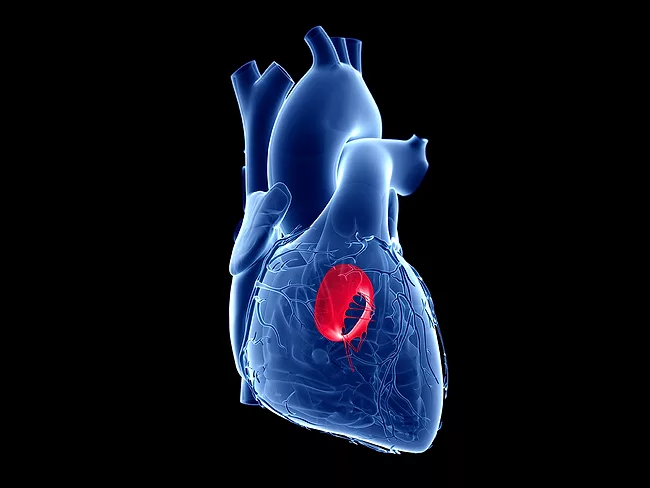
Polares Medical SA raised $50 million in a series C financing round for Mrace, its posterior leaflet replacement system designed to treat mitral regurgitation.
At the current pace of innovation in the U.S. rare disease space, developing and approving therapies for just half of the 10,000-plus known rare diseases would take more than 160 years, Bradley Campbell, president and CEO of Amicus Therapeutics Inc., recently told the Senate Committee on Aging.
Can-Fite Biopharma Ltd.’s namodenoson met the safety endpoint in its phase IIa open-label study in advanced pancreatic ductal adenocarcinoma patients, a readout that left investors hopeful for survival data, expected to be disclosed later this year.
Belgian pharma giant UCB SA is putting skin in the bispecific T-cell engager (TCE) game, announcing a potential $1.1 billion deal to license Antengene Corp.’s ATG-201. ATG-201 is a CD19/CD3 bispecific TCE antibody aimed at autoimmune disorders, though specific indications were not disclosed.

 RSS
RSS