Regulatory snapshots, including global submissions and approvals, clinical trial approvals and other regulatory decisions and designations: Glaukos, Seno Medical.
Epidarex Capital secured more than $145 million in commitments in the first close of its fourth fund to invest in early-stage therapeutics and medical device companies. The new capital will support up to 15 companies, across the U.K. and U.S., which are focused on oncology, cardiovascular, autoimmune and neurological conditions.
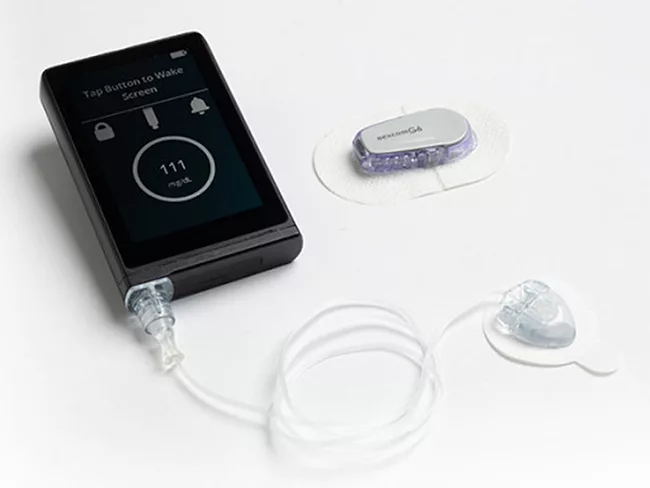
Beta Bionics Inc.’s preliminary results for its first full year as a public company offered an early read on developments and market positioning in the insulin pump and patch market, with analysts pointing to steady growth, rising pharmacy channel penetration and intensifying pressure as more products target both type 1 and type 2 diabetes.
The U.S. FDA’s Center for Biologics Evaluation and Research posted four warning letters to makers of HIV sample collection kits, an example of a shift in FDA enforcement in the IVD space that is still allowed after a historical loss in court.
The U.S. FDA’s device center posted a report on the TAP program, stating that the metrics available to date suggest the program is a rousing success. Still, there are a few key indicators that have not yet had time to emerge – such as product approvals and clearances, but those data points won’t emerge for another year or two at the inside.
New hires and promotions in the med-tech industry, including: Cyrex Medical, Cleveland Diagnostics, Nucleic AI, Pixelgen, Prollenium, Qiagen, Quibim, Voxcell.
Med-tech happenings, including deals and partnerships, grants, preclinical data and other news in brief: Bluejay Diagnostics, Burl Concepts, Imagine Devices, Neotech, Robocath, Siemens Healthineers.
Regulatory snapshots, including global submissions and approvals, clinical trial approvals and other regulatory decisions and designations: Abanza, Outset Medical, Spine Innovation.

 RSS
RSS