The year 2025 will go down in med-tech history as remarkable for a number of things, but manufacturers doing business in the EU might be forgiven for thinking that it was a year for correction of self-inflicted wounds, even if those corrections won’t arrive in full form until 2026.
Two U.S. Medicare administrative contractors (MACs) have removed CPT code 6468 from their group 1 CPT codes, a move that may cut rates for implant of Inspire Medical Inc.'s flagship product, the Inspire hypoglossal nerve stimulator for treatment of obstructive sleep apnea.
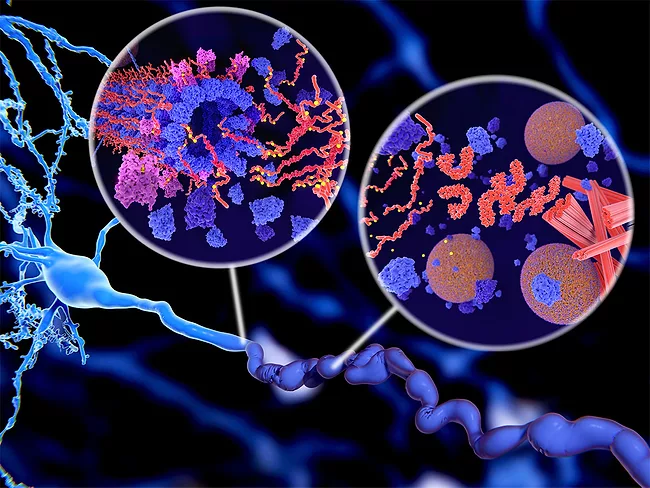
Quanterix Corp. reported the publication of a landmark study in Nature which utilized its Simoa p-Tau 217 (phosphorylated tau at threonine 217) research assay. The Nature study is the largest population-based assessment of Alzheimer’s Disease Neuropathological Changes to date, providing crucial, scalable data to redefine disease prevalence it said.
Med-tech happenings, including deals and partnerships, grants, preclinical data and other news in brief: Alcon, Brainsway, Ion Beam Applications, Optum, ORA, Staar Surgical.
Regulatory snapshots, including global submissions and approvals, clinical trial approvals and other regulatory decisions and designations: Abbott, Shape Memory Medical.
The American College of Cardiology (ACC) and the American Heart Association (AHA) issued new scientific statements advocating use of quantified coronary plaque analyses in management of patients with coronary artery disease. The statements move plaque analysis based on AI-powered coronary computed tomography angiography to a defined clinical consideration in cardiac management, up from "an emerging technology."
The Trump administration has made known that it intends to foster rapid adoption of AI, starting with a repeal of an executive order (EO) issued by the Biden administration. Now, the White House has issued an EO that would override state AI law, a move that addresses a task that Congress to date has failed to complete.
 RSS
RSS