Nature Medicine has retracted a widely publicized Chinese lung cancer study that suggested administering immunotherapy before 3 p.m. could dramatically improve survival in a decision that comes amid heightened scrutiny of research integrity and data transparency in high-impact biomedical journals.
Otsuka Pharmaceutical Co. Ltd. reported another clinical study win with once-daily centanafadine, a non-stimulant compound targeting attention deficit hyperactivity disorder (ADHD). Top-line results of a dedicated phase IIIb study in patients with ADHD and comorbid anxiety found that centanafadine met the primary endpoint, defined as score improvements on the Adult Investigator Symptom Rating Scale, compared with placebo at week 8.
Samsung Bioepis Co. Ltd. announced positive top-line phase I and phase III data for SB-27, a proposed biosimilar to Merck & Co. Inc.’s blockbuster immunotherapy Keytruda (pembrolizumab). Preliminary analysis of parallel-run global phase I and phase III studies demonstrated SB-27’s clinical and pharmacokinetic (PK) equivalence to the reference product, according to a company announcement.
Corxel Pharmaceuticals Ltd.’s oral small-molecule GLP-1 receptor agonist, CX-11, met the primary endpoints in a phase II trial evaluating the candidate in obese and overweight patients in the U.S., according to top-line results.
Neither of Cynata Therapeutics Ltd.’s pivotal trials for its Cymerus stem cell platform met the primary endpoints, with no statistically significant differences between active and control groups on primary or key secondary efficacy measures, CEO Kilian Kelly told investors during a June 22 conference call.
J-Pharma Co. Ltd. is progressing the most clinically advanced L-type amino acid transport 1 (LAT1) inhibitor, nanvuranlat (JPH‑203), in a global phase III Beacon-BTC study of biliary tract cancer following U.S. FDA alignment.
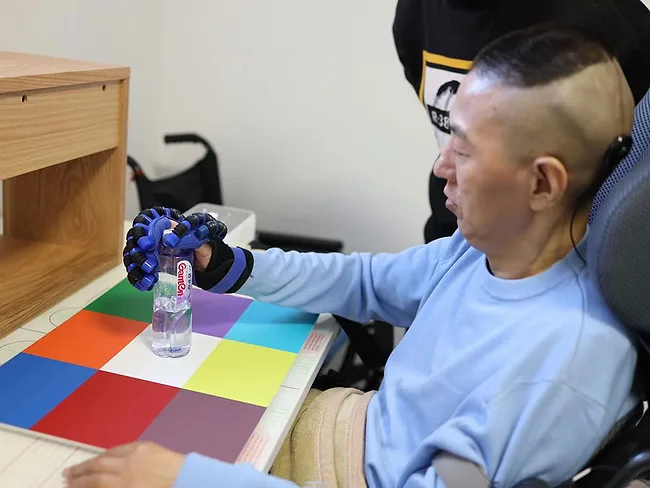
Decades of research are helping unravel the “black box” of the brain. The second article in BioWorld’s series on the Brain-Computer Interface (BCI) field looks at how simultaneous breakthroughs in AI technology are pushing the BCI field from a theoretical concept to a potential real-world, clinical option for individuals, particularly in China where the National Medical Products Administration greenlighted the world’s first invasive BCI system – Neuracle Medical Technology Co. Ltd.’s Neural Electronic Opportunity – for clinical use in March 2026.
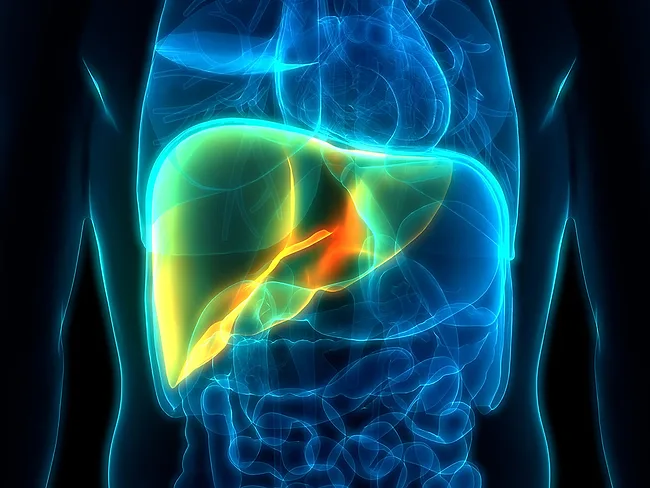
Oricell Therapeutics Holdings Ltd.’s glypican-3 (GPC3)-targeted autologous CAR T therapy, Ori-C101, is heading into a confirmatory registration phase II trial in patients with GPC3-positive advanced hepatocellular carcinoma, positioning it as the first GPC3-directed immune cell therapy – and the first CAR T therapy for liver cancer – to reach that stage of development.
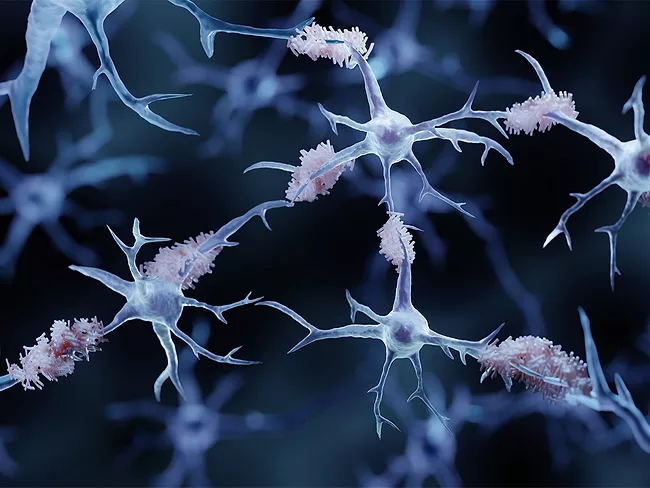
Elixiron Immunotherapeutics Inc. announced positive interim open-label phase II Alzheimer’s disease (AD) study findings of enrupatinib, an oral brain-penetrant colony-stimulating factor 1 receptor inhibitor, with plans to move the asset into a biomarker-based and placebo-controlled study.
Takeda Pharmaceutical Co. Ltd.’s oral TYK2 inhibitor zasocitinib (TAK-279) demonstrated statistical superiority over Bristol Myers Squibb Co.’s first-in-class Sotyktu (deucravacitinib) in a top-line phase III Latitude Atlas readout of moderate to severe plaque psoriasis.
 RSS
RSS