In October, the Nobel Committee awarded the 2025 Nobel Prize in Physiology or Medicine to Shimon Sakaguchi, Mary Brunkow and Fred Ramsdell for their discoveries in the field of autoimmunity.
Hanx Biopharmaceuticals (Wuhan) Co., Ltd. raised HK$586 million (US$75.37 million) in its IPO on the Hong Kong Securities Exchange (HKEX:3378) on Dec. 23 to advance its clinical stage immuno-oncology pipeline.
China’s National Medical Products Administration approved Innovent Biologics Inc.’s NDA for Tabosun (ipilimumab N01, IBI-310) in combination with sintilimab as neoadjuvant treatment for stage IIB-III resectable microsatellite instability-high or mismatch repair deficient colon cancer.
BioWorld logged 170 clinical trial updates across phases I through III in November 2025, a decline from 252 updates in October and 230 in September, but higher than the 95 reported in August.
U.S. policy, China’s strategic rise, blockbuster deals and AI dominated South Korea’s biotechnology industry this year, with U.S. tariffs and the Biosecure Act’s hitch onto 2026 legislation serving as major topics of speculation.
Regulatory snapshots, including drug submissions and approvals, clinical trial approvals and other regulatory decisions and designations in Asia-Pacific: Astrazeneca, Huonslab, Incyte Biosciences, Kalvista, Regeneraon, Samsung Bioepis, SN Bioscience, Zai Lab.
Biopharma happenings in Asia-Pacific including deals and partnerships, grants, preclinical data and other news in brief: Bioeq, JCR Pharmaceuticals, Ipsen, Italfarmaco, Simcere Zaiming, Zydus.
Speed and innovation from Asia Pacific’s (APAC) biotechnology sector had big pharma scouring the region for the next oncology heir to Keytruda (pembrolizumab), Merck & Co. Inc.’s reigning blockbuster cancer drug.
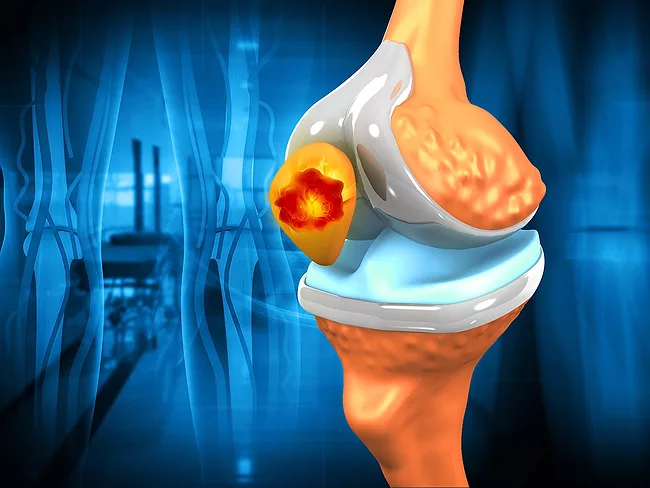
Abbisko Therapeutics Co. Ltd. and its partner Merck KGaA got an early Christmas present from China’s National Medical Products Administration (NMPA) with the approval of pimicotinib (ABSK-021), the first domestically developed systemic therapy for tenosynovial giant cell tumor (TGCT).
 RSS
RSS