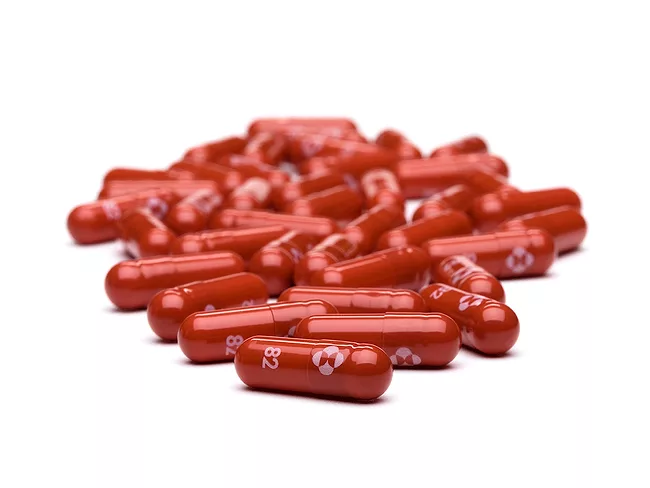
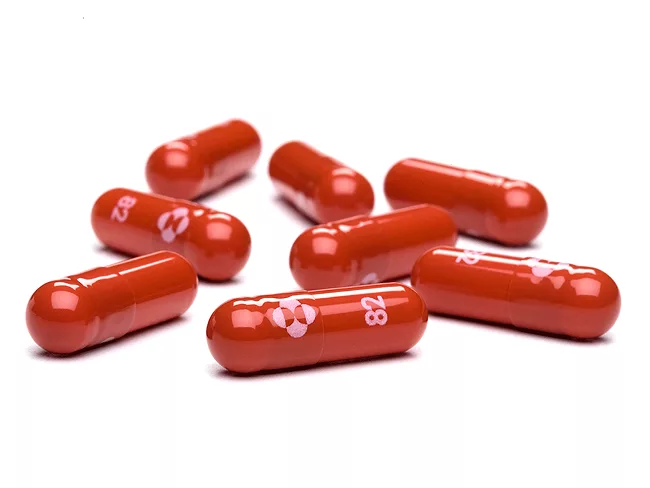
A divided FDA advisory committee voted 13-10 Nov. 30 that the known and potential benefits of the Merck & Co. Inc.-Ridgeback Biotherapeutics Inc.’s antiviral drug, molnupiravir, outweighs its known and potential risks. If granted an emergency use authorization (EUA), molnupiravir would become the first take-at-home oral drug in the U.S. to keep mild and moderate COVID-19 infections from becoming severe in high-risk adults.
The U.S. SEC released guidance Nov. 29 that could impact how drug and medical device companies shape, and report, their executive compensation packages when it comes to "spring-loaded awards.”
As part of its real-world evidence (RWE) program, the U.S. FDA released a draft guidance Nov. 29 on using registries to support regulatory decision-making for drugs and biological products.
With Omicron all the COVID-19 buzz right now, the FDA’s concern that the antiviral drug molnupiravir might enhance SARS-CoV-2 evolution might take on added weight when the Antimicrobial Drugs Advisory Committee meets Nov. 30 to advise on Merck & Co. Inc.-Ridgeback Biotherapeutics Inc.’s emergency use authorization (EUA) request for what could be the first take-at-home oral drug authorized to treat COVID-19 infections.
It’s decision time for oral drugs that could help the world return to normal even in the midst of the COVID-19 pandemic. The U.K. already has granted emergency authorization to Merck & Co. Inc. and Ridgeback Biotherapeutics Inc.’s antiviral, Lagevrio (molnupiravir), and the EMA is expected to complete its evaluation of the oral drug within the next few weeks. In the U.S., the FDA could announce its decision on Lagevrio shortly after its Antimicrobial Drugs Advisory Committee weighs in Nov. 30 on emergency use authorization.
Emergent Biosolutions Inc.’s Bayview facility in Baltimore passed its manufacturing inspection with international regulators, clearing the way for shipment of batches of Johnson & Johnson’s (J&J) COVID-19 vaccine containing drug substance made at the plant.
Former FDA Commissioner Stephen Hahn is being asked to spill the beans on political interference at the U.S. agency during the emergence of COVID-19 last year.
The Pan American Health Organization is echoing fears that the COVID-19 pandemic will result in a surge of drug-resistant infections, saying surges already are being seen in several countries in the Americas, including Argentina, Ecuador, Guatemala, Paraguay and Uruguay.
U.S. trading partners are raising concerns about the FDA’s continued delays in inspecting foreign drug manufacturing facilities due to the COVID-19 pandemic and related travel restrictions.
Even as antimicrobial resistance is expected to continue to grow, the development of much-needed novel antibiotics and antifungals remains trapped in a catch-22 in which funding is available for early stage research but not necessarily for the translational work necessary to bring the drugs to market.