The volume of clinical data in 2022 is down by 16.9% from last year. Pandemic efforts are still decreasing while three therapeutic areas dominate the news. Through the last week of July, there have been a total of 1,997 clinical entries, compared with 2,402 by this point in 2021.
After bottoming out at the end of May, BioWorld’s Drug Developers Index is making a slow, tedious climb back upwards. The index was down 23.18% for the year as of July 27, which is better than where it was at the end of each of the three prior months. It is following the same curve as the Nasdaq Biotechnology Index and the Dow Jones Industrial Average, which are down by 16.47% and 11.39%, respectively.
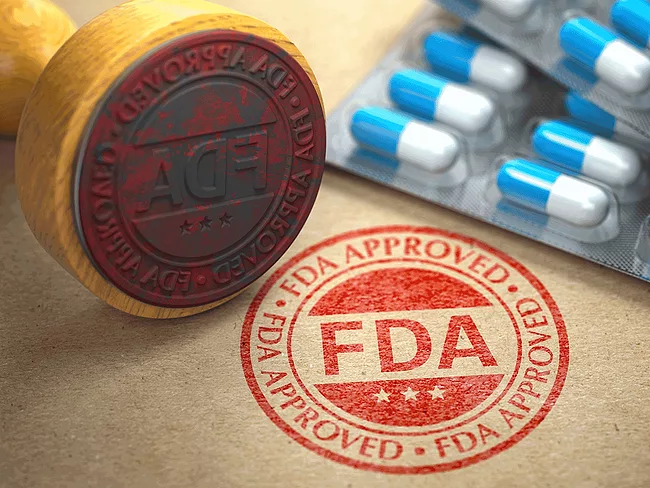
The U.S. FDA has approved fewer drugs and biologics in the first half of 2022 than in each of the five prior years and only one new molecular entity has received clearance since the end of May. While the volume of regulatory news is slightly down from last year, FDA approvals are showing a much deeper decline of 19.8%.
As neurological disease stocks begin to move in the right direction, and a potential U.S. FDA approval nears for a major depressive disease drug, shares are still down by 11.68% this year. BioWorld’s Neurological Diseases Index is following a similar path as the Nasdaq Biotechnology Index (NBI), which hit bottom at the end of May and has begun to climb since then. Still, NBI is down 15.92% this year, while the Dow Jones Industrial Average is down 12.41%.
The value of med-tech mergers and acquisitions in the first half of 2022 are at a five-year high and about 84% ahead of last year. The volume of M&As fell significantly in the second quarter, however, with only 104 completed that were worth $46.5 billion, 27.8% less than the first quarter’s value of $64.7 billion. Regardless, M&As in the first half of 2022 are towering over each of the four prior years’ first two quarters, with a total completed of 276 worth $110.9 billion.
Med-tech financings in the second quarter of 2022 rose from last quarter by 26% with a total $8.5 billion raised, the most for a Q2 in all years prior to 2020.
There is no drug that will halt the inevitable process of getting older each year. But biopharmaceutical research can have a positive impact on preventing diseases that come with aging, thereby extending life for the masses, and more importantly, extending quality of life. Part one of BioWorld’s multipart series on extending the human lifespan looks at the increasing development and investment in the space.
Biopharma deals during the second quarter of 2022 fell short of each of the last two years with 379 completed deals valued at $36.9 billion, but the year is still the strongest to date. Thanks to the record-breaking first quarter, deals in the first half of this year are ahead of all other years, reaching a total value of $93.8 billion, 6.5% more than 2020, the next highest first half.
Amounts raised through biopharma financings in the second quarter are down by 61% since last year and are at the lowest point since 2017. The same holds true when looking at the first half of the year. Each of the prior four years raised more than this year by the end of June, signifying that investors are backing up after an intensely robust financing environment following the emergence of the COVID-19 pandemic and the feverish biopharma therapeutic and vaccine development that began in 2020.
Biopharma deals during the second quarter of 2022 fell short of each of the last two years with 379 completed deals valued at $36.9 billion, but the year is still the strongest to date. Thanks to the record-breaking first quarter, deals in the first half of this year are ahead of all other years, reaching a total value of $93.8 billion, 6.5% more than 2020, the next highest first half.