Although funds raised for med-tech companies in the third quarter were less than half of the amount raised in the second quarter and 14% less than the first quarter, it was still the best quarter of 2020 for IPOs and venture capital (VC) financings. It also pushed the money raised through all financing types to its highest level in four years.
As clinical trials, halted due to the COVID-19 pandemic, begin to resume and biopharma companies find workarounds to keep the research going, activity in phase I, II and III studies picked up by more than 40% in September.
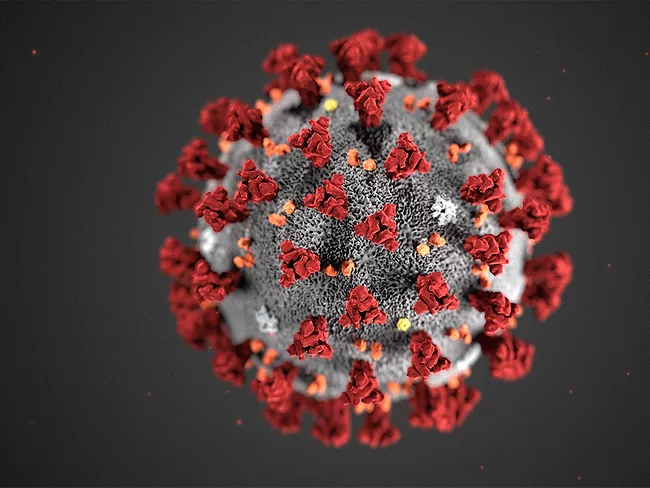
With phase III vaccine trials nearly enrolled and data expected soon, a half-year of expedited development efforts, plus massive government funding may soon provide the ammunition needed to effectively stop the SARS-CoV-2 scourge of 2020.
Just as financings are hitting record levels, biopharma deals should finish out 2020 on top, based on solid partnerships signed in the first three quarters of the year. While mergers and acquisitions have slowed this year, particularly in the third quarter, several big-money M&As slated to close in the fourth quarter could move the needle, putting this year within the top three highest values.
With phase III vaccine trials nearly enrolled and data expected soon, a half-year of expedited development efforts, plus massive government funding may soon provide the ammunition needed to effectively stop the SARS-CoV-2 scourge of 2020.
More than 62% of the volume and 63% of the projected values of med-tech deals completed in 2020 are for one of two things: COVID-19 diagnostics and devices or digital health technologies that fall outside of the pandemic efforts. As of late September, BioWorld has tracked 1,012 deals this year – including licensings, collaborations and joint ventures – valued at $3.67 billion, as well as 272 completed mergers and acquisitions valued at $8.53 billion.
Without the COVID-19 pandemic, projected values of biopharma nonprofit collaborations and grants would be 72% and 30% below last year’s levels, although it is impossible to know what deals may have come to fruition in a world absent of the disruptive SARS-CoV-2 virus.
The number of biopharma deals and mergers and acquisitions completed so far within the past three months are significantly down from each of the first two quarters of 2020. But despite slumping activity and uninspiring M&A values, the projected values of licensings, collaborations and joint ventures, at about $45.4 billion, has placed the nearly complete third quarter in line with the rest of the year. That is mainly due to July and August having two of the largest deals for the year. Together, they make up 27% of the money disclosed in the third quarter, although there is still a week and a half left in September.
While COVID-19 is responsible for about 14% of the regulatory data collected by BioWorld in 2020 and even though numerous clinical trials have suffered delays, the pandemic does not appear to have slowed the pace of the FDA’s approval process.