At Bio Japan 2024, policymakers and industry leaders pledged to make Japan a land of drug discovery to attract native and foreign drug developers. Like many Asian countries, Japan is harnessing and prioritizing the bio sector to drive economic growth, throwing its weight behind its 10-year Bioeconomy initiative to create bioclusters and increase investment.
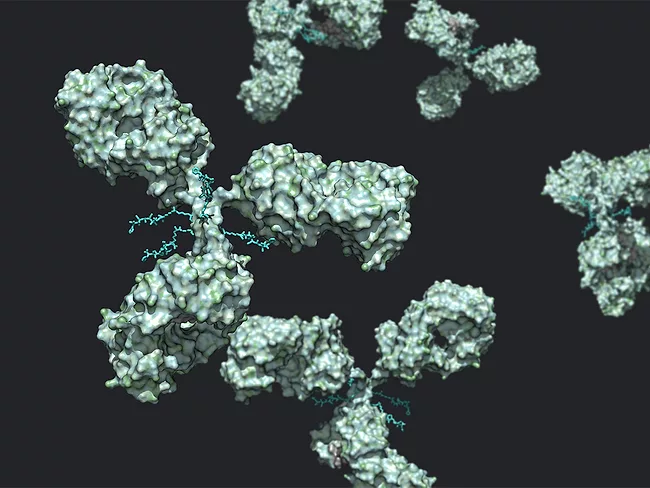
Daiichi Sankyo Co. Ltd.’s trophoblast cell surface antigen 2 (Trop2)-directed antibody-drug conjugate (ADC), datopotamab deruxtecan (dato-dxd), has been approved in Japan for treating adults with hormone receptor (HR)-positive, HER2-negative unresectable or recurrent breast cancer after prior chemotherapy.
From local drug discovery to global innovation, economic uncertainty is taking a toll on China’s innovative biotech system, forcing local companies to weather unpredictable storms, investors said during the Chinabio Partnering Forum in Shanghai in September.
In a deal worth up to $1 billion, Ideaya Biosciences Inc. is in-licensing Jiangsu Hengrui Pharmaceuticals Co. Ltd.’s SHR-4849, a phase I DLL3-targeting opo-I-payload antibody-drug conjugate (ADC). Under terms of the deal, San Francisco-based Ideaya will develop and commercialize SHR-4849 worldwide outside of greater China, and Shanghai-based Hengrui is eligible to receive up to $1.04 billion that includes a $75 million up-front fee, $200 million in development and regulatory milestone payments, and commercial success-based milestone payments. Hengrui is also eligible to receive royalties on net sales outside of greater China.
Certa Therapeutics Pty Ltd. has acquired Occurx Pty Ltd. in a move to strengthen its pipeline to target multiple fibrotic diseases as both companies share a focus on targeting GPR68, a defined G protein-coupled receptor (GPCR) receptor that mediates signaling pathways associated with inflammation and fibrosis and is thought to be a master switch of fibrosis.
Regenerative medicine company Mesoblast Ltd. received an early Christmas present from the FDA for approval of its allogeneic bone marrow-derived mesenchymal stromal cell (MSC) therapy, Ryoncil (remestemcel-L), for steroid-refractory acute graft-vs.-host disease (SR-aGvHD) in children 2 months and older, including adolescents.
China's National Medical Products Administration (NMPA) approved Innovent Biologics Inc.’s NDA for Dovbleron (taletrectinib), a next-generation ROS1 tyrosine kinase inhibitor (TKI), for treating adults with locally advanced or metastatic ROS1-positive non-small cell lung cancer (NSCLC) who have been previously treated with ROS1 TKIs.
The Asia Pacific med-tech industry is expected to grow to $225 billion by 2030. Despite that rosy outlook, the landscape become increasingly challenging as med-tech investment saw a notable downturn since its peak in 2021, with venture financing and M&A deals decreasing by 22% and 37%, respectively, over the past two years.
China's National Medical Products Administration (NMPA) approved Innovent Biologics Inc.’s NDA for Dovbleron (taletrectinib), a next-generation ROS1 tyrosine kinase inhibitor (TKI), for treating adults with locally advanced or metastatic ROS1-positive non-small cell lung cancer (NSCLC) who have been previously treated with ROS1 TKIs.
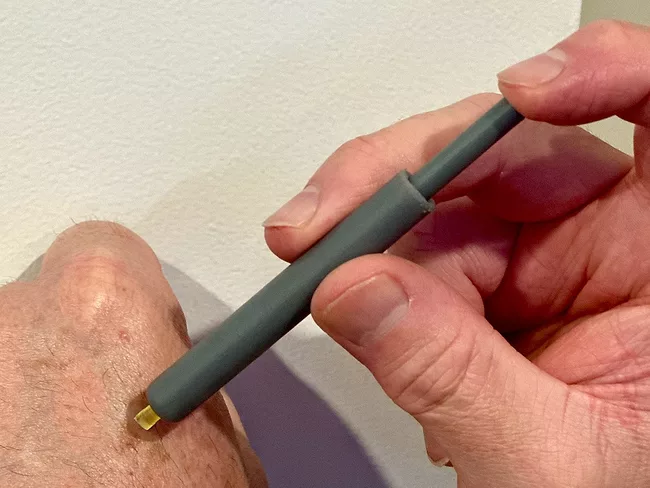
A new method to diagnose skin cancer was validated for the first time in clinical trials that show Dermr Health Solutions Pty Ltd.’s non-invasive microneedle patch collects near-equivalent genetic information compared to a skin biopsy without pain or cutting.