The NLRP3 inflammasome is a multiprotein complex that plays a pivotal role in regulating the innate immune system and inflammatory signaling. Upon activation by pathogen-associated molecular patterns (PAMPs), NLRP3 oligomerizes and activates caspase-1 which initiates the processing and release of pro-inflammatory cytokines IL-1β and IL-1 that are overproduced in many inflammatory disease conditions.
Interactions between the gut microbiome and immune system influence cancer immune surveillance, though the mechanism through which these gut-primed immune cells regulate peripheral antitumor immune response is not well understood. Now, two recent studies in Science and Science Immunology using mouse models and human tissue samples have highlighted a group of intestinal T cells with the gut-homing α4β7 integrin receptors that play a critical role in mediating response to immune checkpoint blockade cancer immunotherapy.
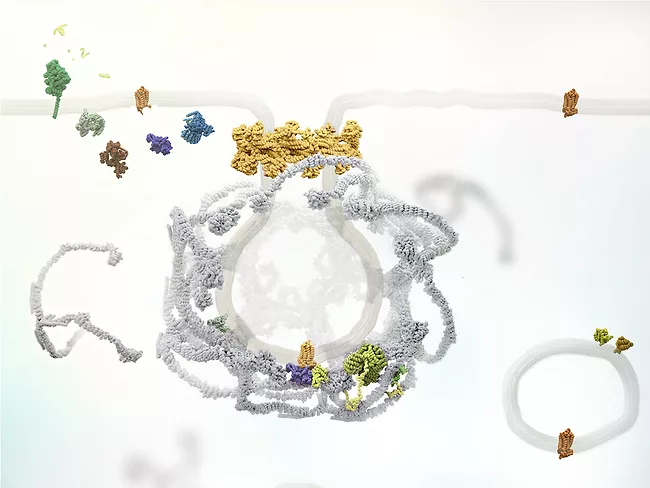
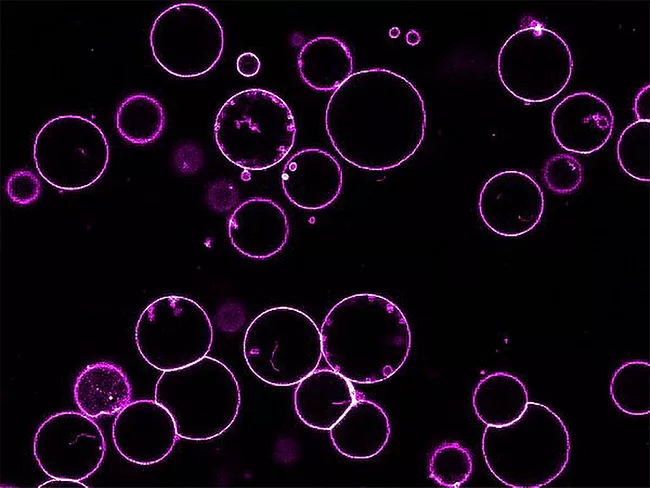
Researchers have developed a new highly effective therapeutic for pain relief by altering the chemical properties of an antinausea drug, netupitant. The modified drug is able to enter the intracellular membrane-bound endosome and target the GPCRs therein, rather than at the cell surface, that leads to optimal pain relief. The study, published in the Proceedings of the National Academy of Sciences (PNAS) on May 22,2023, was led by Nigel Bunnett, Professor and Chair of Molecular Pathobiology at NYU College of Dentistry, and illustrates how GPCR-mediated pain signaling occurs inside the endosomes rather than at the surface, highlighting the need for drugs that can reach receptors within the cells itself.
Heart disease caused by damage to blood vessels is the leading cause of death worldwide. Arteries become clogged with fats and cholesterol when certain proteins in the body, known as lipoproteins, combine with and transport fats in the blood to cells. Scientists have long believed that the LDL receptor molecule was responsible for the intracellular transport of LDL. But given that some individuals lacking the LDL receptor still have high levels of LDL, questions remain about the mechanism.
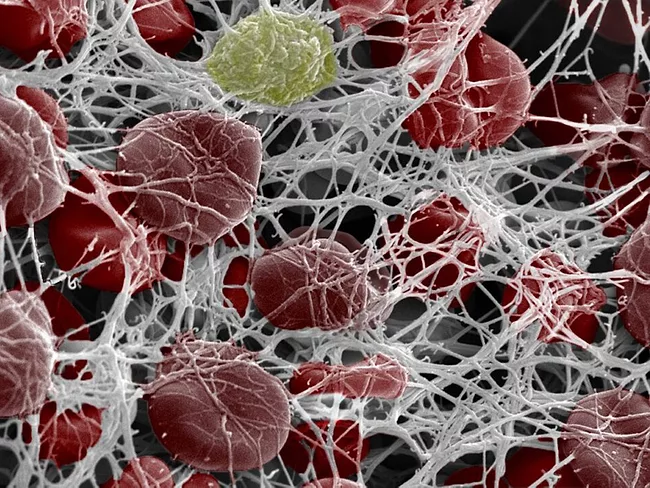
Blood clots can lead to life-threatening conditions such as deep vein thrombosis, heart attack, pulmonary embolism and stroke. Blood thinners are essential in the treatment and prevention of blood clots but carry a significant risk of bleeding as they target enzymes essential for blood clotting. Researchers at the University of British Columbia (UBC) and the University of Michigan have developed a new class of blood thinners that can specifically target clots without increasing the risk of bleeding.
Blood clots can lead to life-threatening conditions such as deep vein thrombosis, heart attack, pulmonary embolism and stroke. Blood thinners are essential in the treatment and prevention of blood clots but carry a significant risk of bleeding as they target enzymes essential for blood clotting. Researchers at the University of British Columbia (UBC) and the University of Michigan have developed a new class of blood thinners that can specifically target clots without increasing the risk of bleeding.
A study published online in the Proceedings of the National Academy of Sciences on April 14, 2023, showed that strokes cause numerous changes in gene activity in affected microvessels in the brain, and these changes were potentially targetable with existing or future drugs to alleviate brain injury or improve stroke recovery. Treatments available for stroke are very limited and are mainly focused on the recanalization of the obstructed larger cerebral arteries. However, it is known that strokes affect the cerebral microvasculature too, for which there are no current therapies in the clinic.
Type 1 diabetes mellitus (T1DM) is an autoimmune disease in which the person’s immune system destroys its own pancreatic islet cells that leads to complete loss of insulin production. Allogeneic pancreatic islet cell transplantation has been shown to replenish the vanished β-cell population and provide glycemic control, restoration of hypoglycemia awareness, and protection from severe hypoglycemic events. However, with allogeneic transplantation, there is a need for life-long immunosuppression to protect the islet grafts from allo- and autoimmunity.
A team of researchers from Harvard University has developed a suite of Escherichia coli Nissle 1917 (EcN), named PRObiotic type 3 secretion E. coli therapeutic (PROT3ECT), engineered to secrete a TNF-α nanobody directly into the gut to reduce inflammation in a chemically induced inflammatory bowel disease (IBD) mouse model.
A research team led by Domagoj Cikes at the Institute of Molecular Biotechnology of the Austrian Academy of Sciences (IMBA) and Josef Penninger at the University of British Columbia has discovered the critical role of the enzyme phosphate cytidylyltransferase 2 (PCYT2) in muscle health. Their findings appeared in the March 20, 2023, online edition of Nature Metabolism.