Magentiq-Eye Ltd. received U.S. FDA 510(k) clearance for its Magentiq-Colo, an artificial intelligence (AI) gastrointestinal software system that helps detect lesions in real time during colonoscopy procedures. With the rate of colorectal cancer expected to increase steadily through the decade, the company hopes that Magentiq-Colo will offer the gastroenterology community and its patients a significant increase in the adenoma detection rate.
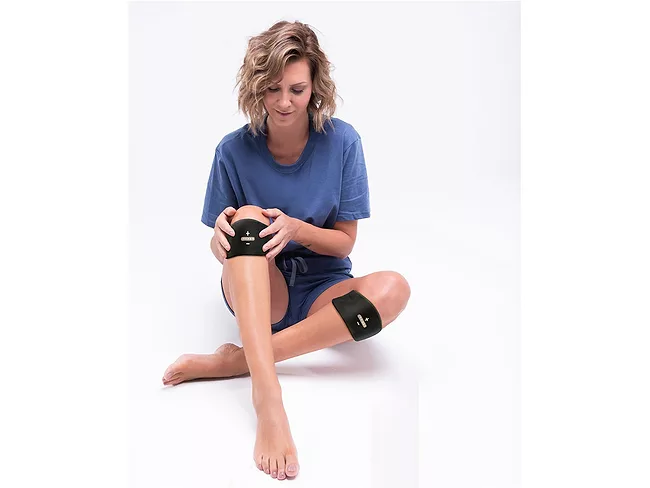
In good news for those who toss and turn in the night with restless legs syndrome and their bed partners, bioelectronic technology appears to reduce the disruptive and uncontrolled movement. Researchers claimed that the NTX100 tonic motor activation (TOMAC) therapy, developed by Noctrix Health Inc., has the potential to transform treatment for people with restless legs syndrome (RLS) who are resistant to medications.
Teleflex Inc.’s agreement to acquire Palette Life Sciences AB for up to $650 million to boost its urology portfolio continues the company’s strategy of acquiring assets that are accretive to its growth rate. Palette has developed a number of urology products, key among them the Barrigel, a non-animal stabilized hyaluronic acid (NASHA) spacer that reduces radiation delivered to the rectum during prostate cancer radiation therapy. With radiation treatment trends increasing, the market for Barrigel is expected to grow.
News from Truvian Health Inc. that its benchtop blood testing platform can deliver results similar to those generated by central laboratory is promising for the diagnostic sector still coming to terms with fraudulent claims from companies such as Theranos Inc. and Arrayit Corp. that their various technologies were able to run an array of tests with just a few drops of blood.
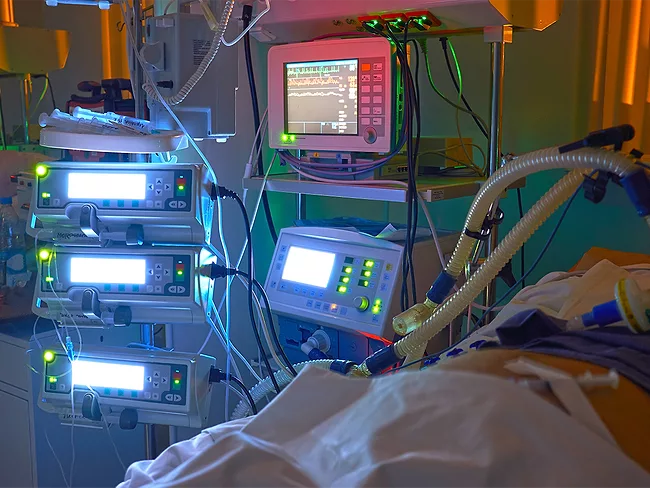
Art Medical Ltd. released data from a study which demonstrated that its Smart+ Platform can maximize feeding efficiency and improve patient outcomes by reducing both ICU length of stay and the length of time on a ventilation by approximately three days. ICU complications related to nutrition pose significant challenges in critical care.
The U.K. government and the health care industry should focus more on behavioral-based approaches and preventative care in a bid to tackle health inequality, rising costs and an ageing population, Anton Derlyatka, CEO and co-founder of Sweatcoin Ltd., told BioWorld. Sweatcoin is a step-counting app that rewards users for their daily steps. The company has worked with the NHS for the last three years and is currently working on pilot programs to help tackle type 2 diabetes and cardiovascular diseases by incentivizing people to move.
As quicker, more accurate ways to detect dementia becomes ever more urgent, Cumulus Neuroscience Ltd. has teamed up with the Universities of Bath and Bristol in the U.K. to further develop the Fastball electroencephalogram (EEG) test, a diagnostic test for earlier detection of Alzheimer’s dementia. With one in three people born in the U.K. today likely to develop dementia at some point in their lives, early diagnosis and treatment are essential for them to plan for their future.
Anbio Biotechnology Ltd. launched the Anbio AF-100S, an automated, compact and affordable fluorescent immunoassay (FIA) solution that it hopes will transform the field of clinical diagnostics and empower healthcare providers. The AF-100S FIA is a handheld point-of-care immunodiagnostic solution that provides rapid, accurate and reliable results for a wide range of analytes.
Neura Robotics GmbH closed a $55 million funding round that will allow the company to expand its operation into the U.S. and Japan and increase its production infrastructure in Germany amid growing demand. The company, which builds cognitive robots, has an order book which exceeds $450 million.
In a pivotal milestone for Memed Ltd., the U.S. FDA cleared its Memed BV test on whole blood samples, which will help health care providers distinguish between bacterial and viral infections. The test, which yields results in as little as 15 minutes, can reduce the risk of unnecessary prescriptions which is a key driver of antibiotic resistance.